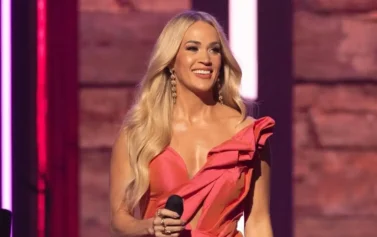
When former “American Idol” winner Carrie Underwood traded her microphone for a judge’s chair, nobody warned her that the hot seat would come with this much heat from fans wielding strong opinions.
The eight-time Grammy winner has found herself defending her judging style on the singing competition she once won, after facing intense criticism for her treatment of contestants, particularly historic winner Jamal Roberts.

What started as constructive feedback has spiraled into a full-blown debate about fairness, expectations, and the complicated dynamics of reality television judging.
Underwood addressed her critics head-on during a September interview with Sirius XM’s “The Highway,” explaining her philosophy behind delivering honest critiques, according to American Songwriter.
“Sometimes I get in trouble from people like, ‘How dare she say that it wasn’t perfect?'” she revealed. “And I’m like, I just want everybody to learn and that’s part of it. And nobody wants to just hear that they’re amazing all the time.”
The former “American Idol” season 4 champion, who rose to fame on the very stage where she now sits as a judge, insists her approach comes from genuine care for aspiring artists.
She believes that sugar-coating performances does contestants no favors in preparing them for the harsh realities of the music industry.
“We just want everybody to be able to grow and get better, and be the most awesome version of themselves that they could be,” Underwood explained, acknowledging that while some people might prefer constant praise, exclusively positive feedback won’t help artists develop their craft.
Her return to the show in 2025, replacing Katy Perry, was initially celebrated as a full-circle moment. However, the season became overshadowed by tensions surrounding Roberts, who made history as the first Black male winner in over two decades with a record-breaking 26 million votes.
Congratulations to the newest winner of @AmericanIdol !!! I’m so proud of Jamal Roberts and all he has accomplished this season and I can’t wait to see what mountains he climbs next! He’s going to do great things! ❤️❤️❤️ pic.twitter.com/L4yJgSNGKK
— Carrie Underwood (@carrieunderwood) May 19, 2025
The controversy reached its peak during Roberts’ performance of “Ain’t No Mountain High Enough,” when Underwood remained seated while fellow judges Luke Bryan and Lionel Richie gave standing ovations.
Despite calling his voice “incredible,” she criticized Roberts for missing opportunities to “move around and entertain” the audience, comments many viewers interpreted as perpetuating harmful stereotypes about Black performers.
Social media users didn’t hold back their feelings about Underwood’s approach.
“She was rude when she was a contestant in the early Idol days so I’m not surprised,” one person wrote when Star posted the story on Instagram.
Another added, “She was the worst idol judge in history. She always looked bored!”
However, defenders also emerged online when Y! Entertainment reposted.
“If you don’t want to hear the truth about your voice, audition for your Mother,” one supporter said.
Adding context to her behavior, another said, “Being harsh in general was not the problem, favoring certain singers over others and giving them less or no criticism is the problem, especially as there was a ‘type’ she preferred. She seemed to favor the more Country/Christian type
A third person chimed in with, “If you don’t want to hear the truth about your voice, audition for your Mother.”
At the BET 45th Anniversary Dinner, ‘American Idol’ winner Jamal Roberts responded to fans calling out judge Carrie Underwood for her lack of support for Roberts across the season.
— reporting for duty. (@TheGreatIsNate) June 11, 2025
“I don’t think she likes every genre for real,” he shares. #BETAwards pic.twitter.com/Tz1CmWkUSS
Roberts himself addressed the situation diplomatically during interviews, noting the stark differences in support from various judges.
Speaking at BET’s 45th Anniversary dinner, he explained, “Carrie is a country singer and she likes country music. I mean, I don’t think she likes every genre for real. She had her picks, and she had her choice of who she really liked, and she stuck with it.”
The backlash also brought renewed attention to Underwood’s past, including her 2013 Country Music Association Awards appearance, where she and Brad Paisley performed a comedic skit mocking the Affordable Care Act.
One person mentioned it was less about her comments on the show and things she said earlier about the public insurance program, “She’s country, from deep red Oklahoma, made unintelligent jokes about President Obama and Obamacare. So her devaluing a Black singer talents is so like her.”
During the routine, they joked about website malfunctions and low enrollment numbers, with Underwood quipping about joining “the six other people” who managed to sign up.
Adding fuel to the fire, Underwood’s post-finale gesture of naming a baby lamb “Jamal” on her Tennessee farm struck many as tone-deaf, further cementing viewer concerns about her understanding of the situation’s gravity.
The controversy has sparked broader conversations about bias in entertainment and whether judges showing questionable treatment toward diverse talent should remain on national platforms.
As “American Idol” prepares for its next season, Underwood’s future remains uncertain amid growing calls for change.