Patriotism, strength, and confidence are supposed themes of Donald Trump’s latest public appearance.
Instead, social media spent much of the day focused on something else that overshadowed what was meant to be a celebratory speech at the U.S. Coast Guard Academy.
During the 145th commencement ceremony in New London, Connecticut, Trump attempted to rally graduating cadets with a message about America’s comeback and renewed confidence.
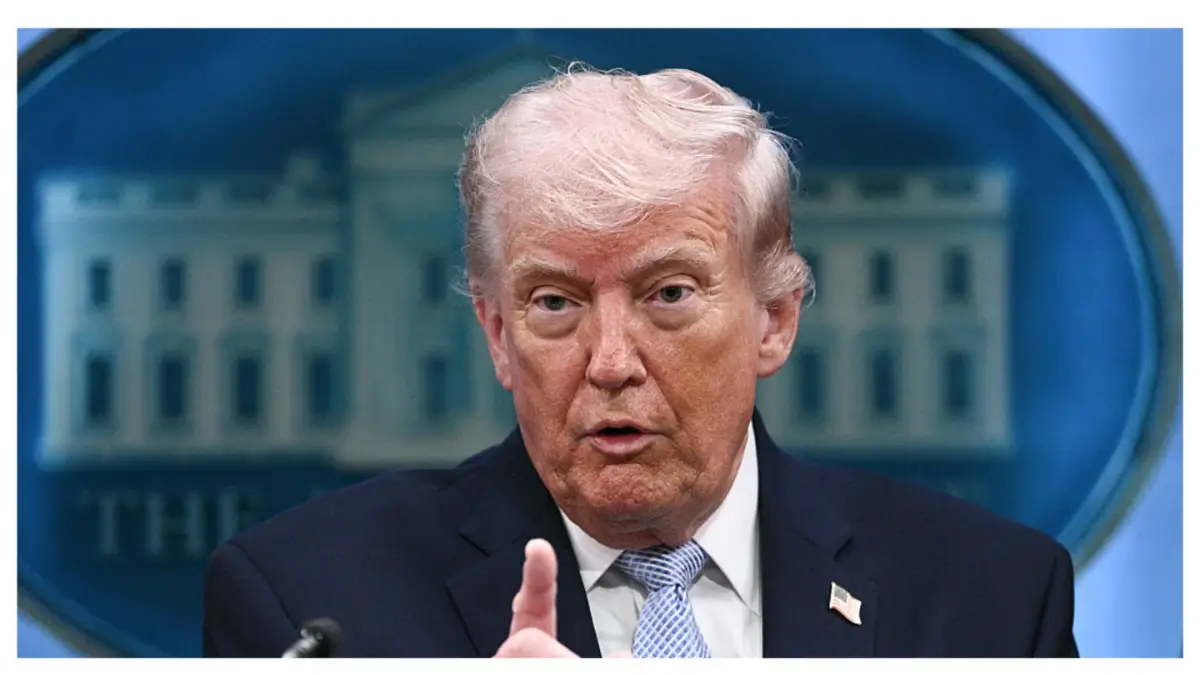
The May 20th event, held at Cadet Memorial Field, was intended to honor students preparing to enter military service. A White House spokesperson said Trump would congratulate cadets on their “hard work and dedication” as they prepared to serve the country.
But once clips from the address hit social media, attention quickly shifted to the president’s speech patterns.
Viewers online claimed they struggled to understand portions of his remarks and what he actually meant.
One moment in particular went viral when Trump declared, “Our national strength is back, our morale is back, we are confident country again, we have confidence is back.”
Critics immediately flooded social media, accusing the 79-year-old president of slurring his speech. His words became increasingly difficult to follow, and many noticed.
Trump is slurring heavily: "Our national strennngsssss is back" pic.twitter.com/saRkA2m1Pp
— Aaron Rupar (@atrupar) May 20, 2026
“He’s kidding right?” said one shocked observer.
“Big time slurring,” another viewer tweeted, after clips spread online. A third person posted, “I heard selection. He used to do that thing where he’d quickly shift to talking about something else when he f—ked up a word but he’s gone.”
Elsewhere, another critic focused on Trump’s voice, writing, “His voice is a weird pitch too.” Others focused on Trump’s physical appearance and delivery.
Another mocked him writing, “Our national slengthles is back baby!” while one person joked, “Dude sounds like Cobra Commander.”
“He lisps a lot now or his dentures don’t fit properly,” one critic claimed online. Another stunned viewer wrote, “Did he just suffer another stroke? Holy [crap]!”
The viral reaction added to a growing online debate surrounding Trump’s public appearances over the last few years.
Over the past several months, critics have repeatedly circulated clips accusing the president of drifting off-topic, speaking incoherently, or struggling through unscripted moments during rallies, interviews, and White House events.
One resurfaced moment making the rounds again this week came from the National Prayer Breakfast in Washington on Thursday, Feb. 5.
During that appearance, Trump spent much of the event revisiting old election grievances while leaning heavily against the podium and speaking in what critics described as a noticeably weaker tone.
At one point, Trump unexpectedly admitted, “They rigged the second election. I had to win it. I needed it for my own ego,” before pivoting back into boasts about his political victories.
The remark instantly triggered online arguments, with some viewers calling it honesty while others said it sounded like another example of Trump spiraling off message.
Another clip from Wednesday came from the March 4 White House technology roundtable involving executives from Google, Microsoft, Amazon, OpenAI, Meta, Oracle, and xAI. During remarks about artificial intelligence infrastructure, Trump appeared to lose his train of thought while insisting the energy initiative had originally been his idea.
“We’re fixing the grid. Now, if we didn’t do this. This was … I believe … I don’t know,” Trump muttered before pausing awkwardly.
Someone off camera eventually whispered reassurance. “It was,” the aide quietly replied.
That moment also exploded online, with critics comparing it to a student fishing for help during a class presentation gone wrong.
Meanwhile, viewers also revisited footage from a Turning Point USA MAGA rally in Phoenix. Republican Rep. Paul Gosar appeared alongside Trump while delivering exaggerated praise about the president “carrying this country on his back.”
Social media users accused Gosar of sounding impaired and physically unsteady during portions of his speech. It raised eyebrows about the increasingly bizarre optics surrounding some of Trump’s political allies.
Communication experts have long analyzed Trump’s speaking style, often describing it as repetitive, fragmented, and heavily reliant on short, disconnected thoughts.
Supporters argue that style makes him sound authentic and conversational. Critics, however, say the growing number of viral moments paints a far different picture.
Still, Trump’s supporters continue defending him online, insisting critics obsess over harmless verbal mistakes while ignoring his political dominance and media influence.


