President Donald Trump thrives in atmospheres he can bend to his will — where confidence substitutes for consensus and repetition becomes reality. In his version of events, the economy is booming, the world is afraid, the base is unshakable and the numbers always confirm what he already believes. When doubt creeps in, he talks louder. When criticism mounts, he reframes it. When data contradicts him, he dismisses it.
This week, however, the hard data refused to cooperate.
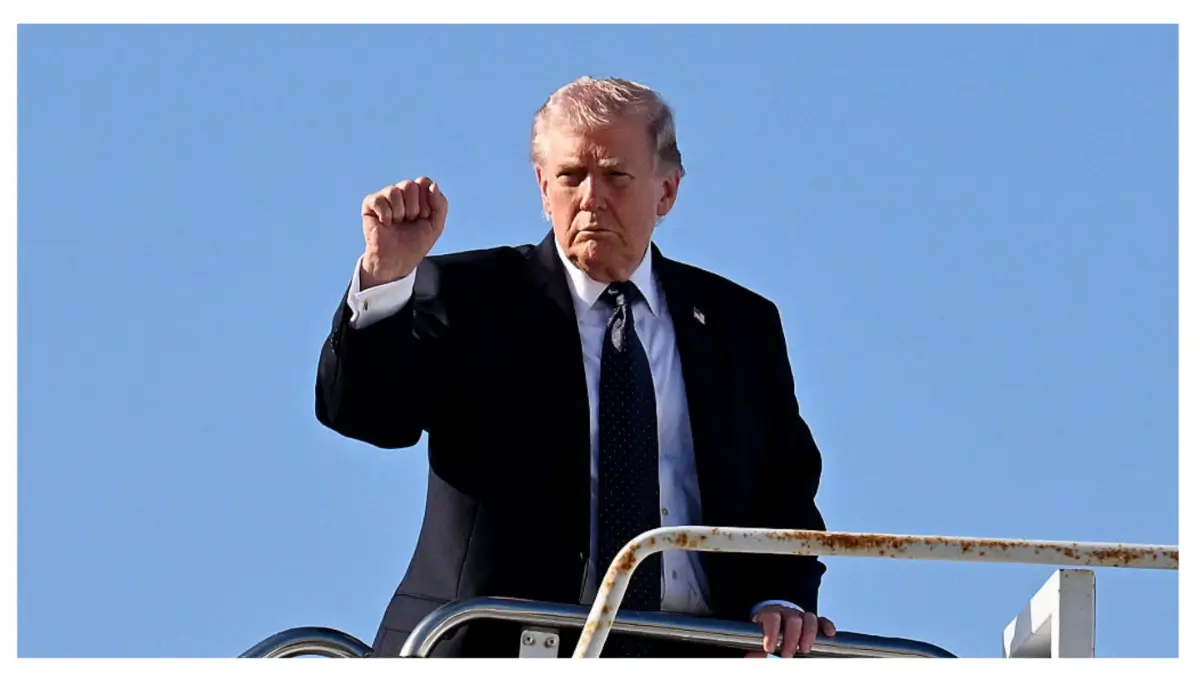
New polling shows Americans are recoiling from Trump’s decision to launch military strikes against Iran, a move that killed the Islamic Republic’s supreme leader and escalated tensions in the region.
According to a Reuters/Ipsos survey, only 27 percent of Americans approve of the strikes, while 43 percent disapprove and 29 percent remain unsure. Even among Republicans, support is soft — just 55 percent back the move.
A CNN poll paints an even bleaker picture: nearly 6 in 10 Americans disapprove of the military action, 60 percent say they don’t trust Trump to make the right decisions about the use of force in Iran, and 62 percent believe he should seek congressional approval before further action. Most respondents say they do not think he has a clear plan.
View on Threads
Instead of addressing the backlash directly, Trump retreated to what critics described as a frenetic self-soothing social media blitz.
Shortly after the polling circulated, he flooded Truth Social with more than a dozen links and reposts highlighting flattering commentary about himself, much of it unrelated to Iran, while largely sidestepping the mounting unease over the strikes and the American casualties that followed.
One particularly jarring post resurfaced an old headline about Lady Gaga’s father endorsing him in the 2024 election, while the rest of his feed turned into a stream of loyalist reposts cheering his marathon speech.
View on Threads
The self-congratulatory spree struck many observers as disconnected from the moment.
“WTF does a 2 year old article have to do with anything? I’ll answer that myself. Donnie is demented, deranged, and a totally sick f**k. He can go to hell..” one Threads user wondered.
But this wasn’t the first time in recent days that Trump appeared rattled by unwelcome numbers.
At a White House event late last month, Trump briefly acknowledged sagging support before spiraling into familiar territory to questioning the legitimacy of elections and inflating his own vote totals.
“It just amazes me that there’s not more support out there,” Trump said, sounding uncharacteristically worn down.
Moments later, he pivoted. “It’s just we actually have a silent support. I think it’s silent,” he insisted.
Then came the revisionist math. “I think that’s how I won. I got probably 85 million votes. They say 78, 79 million. They cheated at this election, too. It was just too big to rig, too big to rig.”
View on Threads
The comments left some Americans stunned — not just because Trump was disputing polling, but because he was again suggesting election interference despite having won the race.
Trump defeated former Vice President Kamala Harris by roughly 1.5 percentage points in 2024, according to Pew Research Center data, earning approximately 77.3 million votes to her just over 75 million.
Yet he continues to argue that the numbers should have been higher, that something was taken from him, that the count itself cannot be trusted.
Online, many users saw something else unfolding — a president unable to reconcile perception with reality.
“You didn’t win, you rigged it. It’s all coming out now. What are your people feeding you?” one Threads user wrote.
Another was more blunt: “You’re a sickening piece of s—.”
“Elon got you most of the fake votes. It’ll come out eventually,” another post read, echoing conspiracy rhetoric with a conspiratorial tone of its own.
One commenter framed the moment more psychologically:
“A disgusting-looking Trump admits that he doesn’t have enough support. In other words, his policies are deeply unpopular. And then he shows frustration and makes up fake election result numbers because he’s still bitter that Joe Biden got more votes than he ever did in his three runs for president. Poor old man, always bitter.”
And the broader polling landscape isn’t helping his case.
A Washington Post–ABC News–Ipsos poll found just 39 percent of Americans approve of Trump’s job performance, while 47 percent strongly disapprove. Majorities disapprove of his handling of immigration and the economy. CNN data shows his approval among independents has fallen sharply, and other surveys suggest most Americans believe the country is on the wrong track under his leadership.
At another point, Trump dismissed unfavorable surveys outright.
“When you get a fake poll … I saw one last night … 40%. I’m not at 40%, the real number is much higher,” he said.
For critics, the pattern feels familiar: when confronted with unfavorable data, Trump doesn’t recalibrate — he reframes. Polls become fake. Support becomes “silent.” Vote totals become expandable.
But what struck some observers this time was the timing.
Trump was meant to be in victory mode — touting economic strength, projecting command on the global stage, leaning into his image as a decisive leader.
For some Americans, that shift raised concerns not just about foreign policy, but about how far Trump is willing to go to reject numbers he doesn’t like.


