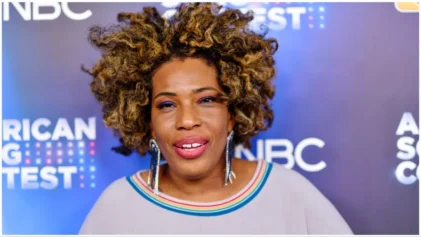
Grammy Award-winning singer Macy Gray rose to prominence, thanks to her distinctive raspy voice and her 1999 international smash single “I Try,” the second leading single off her debut album “On How Life Is.” Though the song and its subsequent success opened doors of opportunity for the multi-talented artist, she recently admitted she was miserable during her earlier days of fame.
During an interview found in this week’s issue of People, the 54-year-old opened up about finding and navigating stardom and the challenges it presented, telling the outlet, “I got really beside myself for a long time.”

She continued, “I was suddenly really wealthy, and I had a lot of people wanting to be my friend. I was just a real asshole. I was having a blast, [but] eventually, it will make you lonely and miserable, especially if you’re drinking every night and doing all kinds of crazy stuff.”
The veteran musician, who has since been “totally sober” for years now, said she soon found herself caught up in a lifestyle filled with drugs and alcohol that ultimately took its toll in the early years of her success.
Gray said she eventually reevaluated her priorities after releasing her 2001 sophomore project “The Id,” which failed to live up to the success of her first studio effort. “I think it was just seeing it for myself that I couldn’t just do whatever I want and get whatever I want,” she said. “Figuring all that out took a long time.” The star is set to release her 11th studio album titled “The Reset,” her first effort nearly three years since dropping “Ruby.”
Last month, the singer-turned-actress made headlines after addressing critics who appeared to find her rendition of the “Star-Spangled Banner“ last month at the NBA All-Star Game more of an acquired taste.
Taking to her TikTok on March 8, the “For Colored Girls” actress told her trolls, “All I can say to y’all is, honestly, go suck it, you know what I mean. Suck a big fat one. You can lick my pinky toe,” before shooting her middle finger up at the camera. “Introduce you to my finger, you know whichever you like,” she added.