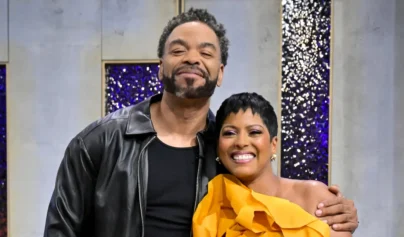
Clifford Smith Jr., also known as Method Man, opened up about age discrimination in the music industry during an interview with Essence magazine.
Smith rose to fame as a rapper in hip-hop group Wu-Tang Clan in the early 1990s before ultimately going solo in 1994. He continues to do group and solo musical endeavors, the latest being the 2018 release of his sixth studio album “Method Man Meth Lab Season 2: The Lithium.”
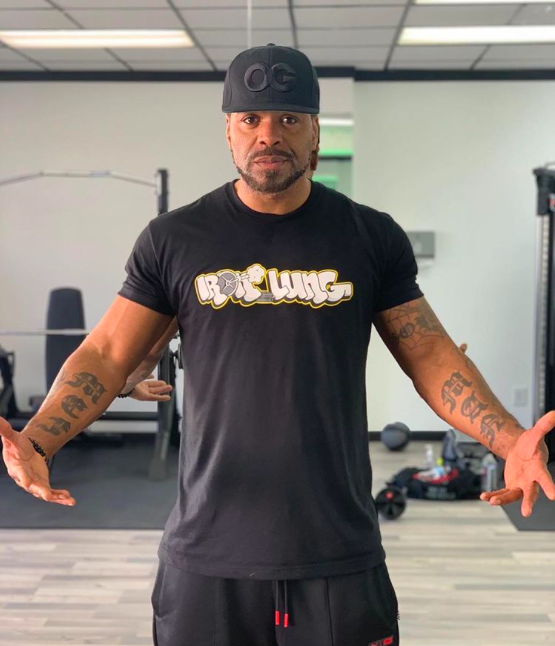
Aside from music, Smith’s first acting role was in 1998’s “Belly” alongside Nas and DMX, and he had a breakout role on the acclaimed early 2000s HBO series “The Wire.” He is currently starring in “Power Book II: Ghost” as defense attorney Davis Maclean. The 50-year-old told the publication for their February digital cover issue about how he’s adjusting to acting after being in the music industry.
Smith said while recounting the shift in his career path as an aging rapper in the early 2000s, “There was a changing of the guard in hip-hop. I was cool with that. I had to evolve with the business, and if that meant acting, so be it. I was going to throw all my eggs in one basket.”
In the conversation, he also explained how executives weren’t willing to give him an opportunity when he wanted to primarily focus on acting because of a failed moment early in his career. That event included a 2004 short-lived series with his close friend Reginald “Redman” Noble, titled “Method & Red.”
Smith said, “The higher-ups, the so-called gatekeepers, didn’t have much use for a 44-year-old rapper…I guess my background turned some people off. Some people aren’t willing to give you a chance, especially when you’ve already had one and you kind of squandered it.”
He wrapped his comment by disclosing the show’s failure stemmed from his and Noble’s lack of passion for “Method and Red.” Smith stated, “We had our own show, We had our own movie —2001’s “How High”— but our hearts weren’t in it. We had one foot in and one foot out. You can’t do that in this business. You have to be ten toes down or not at all.”
Since the blunder, Smith’s acting credits include recurring roles in “Blue Bloods,” “The Deuce,” “The Last O.G.,” and “Godfather of Harlem.”