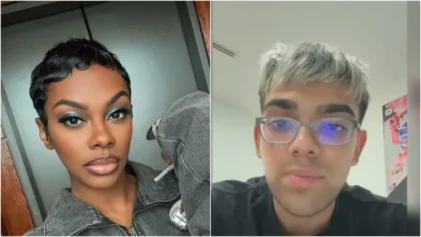
Actress, comedian and former rapper Amanda Seales said she’s learned a big lesson regarding social media, and she’s taken a step back from it.
Back on February 18, Seales accused neurosurgeon Myron Rolle of being sexually inappropriate and saying some “troubling things” during a conversation that made her “take a step back.”
She also said other women told her they had similar experiences with Rolle, which made her come forward.
Three days later, Rolle rebutted Seales’ claims and said she was making everything up because he rejected her advances.
Then a few weeks after that, Seales denied that she said the neurosurgeon sexually harassed her, and claimed he only did it to others. The former Floetry member was heavily criticized afterwards and accused of changing her story, which she denied doing.
On her recent visit to “The Breakfast Club,” which hit the Internet on Tuesday, Seales talked about the Rolle situation and why it caused her to lay off social media a bit.
“I took a social media break because I realized I had not adjusted how I was interacting with social media, even though my social media had shifted,” she explained. “I went from having 40,000 followers in like June of 2017 to almost a million by March. I was still operating the same way, trying to interact with everybody, clapping back. And I’m like this is not healthy.”
“And I also got hemmed up in a silo of lies that got me a lot of death threats and people attacking me and all type of sh-t. And it’s always this continued narrative of Amanda Seales hates black men,” which is just so tired and false.
Seales said not only were there men coming at her after she clarified her position on Rolle, women were too.
The 37-year-old also said these days, when she uses social media, it’ll be for something positive, as opposed to clapping back and calling people out.
“How are you adding to the things that you’re complaining about? With all the clapping back and with all the calling people out, how can you be better?” Seales said she asked herself.
“That’s when I shifted and I decided I need to be more about calling people in, instead of calling people out,” she added. “I need to be more conscious about how I speak about things and trying to be more positive. And that’s just my life in general.”