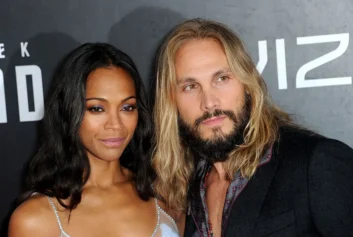
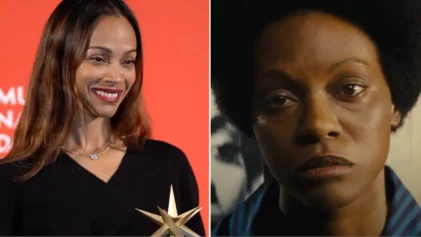
Zoe Saldaña is questioning whether she has the stamina to take on another Taylor Sheridan series after the physical and emotional demands of season 3 of “Lioness.”
Saldaña, who stars as CIA operative Joe McNamara and also serves as an executive producer on the Paramount+ thriller. The series also stars Nicole Kidman and Morgan Freeman.
However, the latest season, which premiered on Aug. 26, pushed Saldaña harder than she expected.
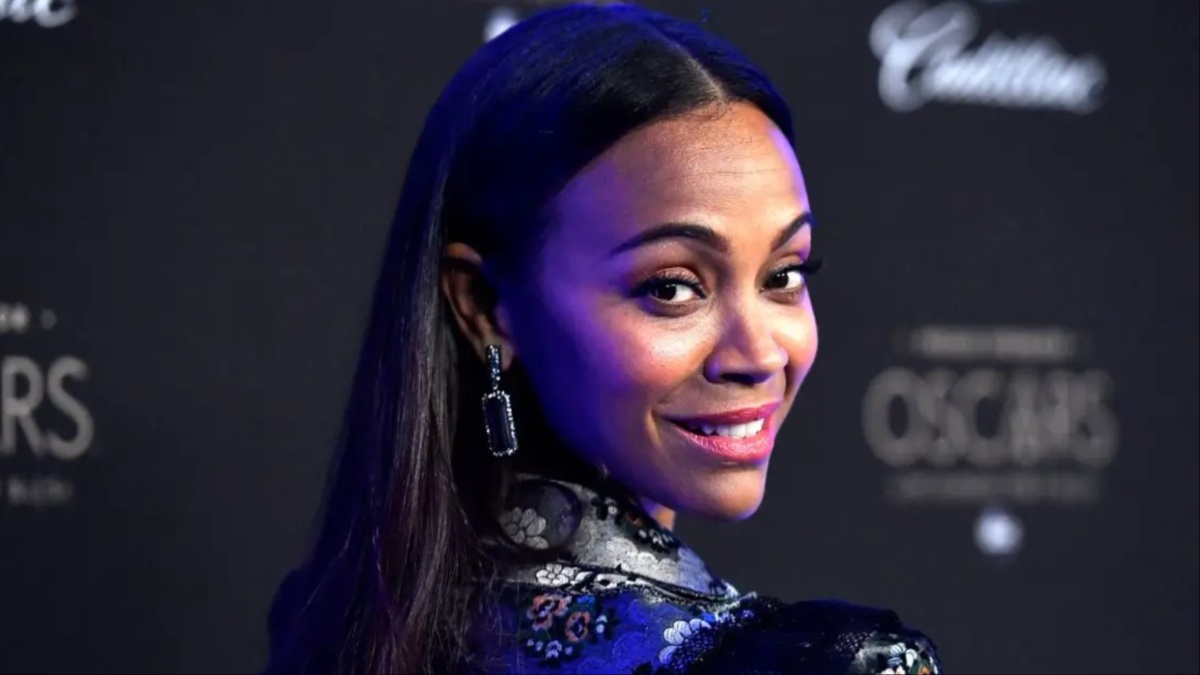
The actress told People that the workload has made her reluctant to step into another Sheridan project beyond “Lioness.”
“I think that Joe McNamara and ‘Lioness’ is all that I can handle at this time,” Saldaña said. “I can’t imagine me taking on more of a Taylor Sheridan world.”
The actress explained that her responsibilities extend well beyond appearing in front of the camera. As the lead performer and an executive producer, Saldaña said she begins preparing months before production starts and remains heavily involved throughout filming.
“I’m No. 1 on the call sheet. I am first one in, last one out,” she explained. “I am prepping months before anybody ever is able to prep.”
Despite the strain, Saldaña said she remains grateful for the opportunity to work with Sheridan. She described herself as direct and willing to challenge ideas during the creative process, saying she brings her opinions and full effort to the production.
“I have my views, and I come with all heart, all brains, all muscle at all times,” Saldaña shared. “So, no, I think I’m good here at ‘Lioness.’”
Season 3 also put her character in a position she had rarely experienced on the show. Instead of directing operations from behind the scenes, the CIA officer became the target of an abduction and had to fight her way out of the situation.
“Joe was the victim,” Saldaña said. “She was the one that was extracted, and she was the one that had to get herself out.”
That shift changed the way she viewed the character. Joe normally operates as the person controlling the mission. But the third season forced her to experience the same vulnerability the women she typically sends into dangerous situations face.
“In a way, I almost feel like Joe was the Lioness in season 3,” Saldaña said.
The actress explained that Joe was forced into the same kind of position as the operatives she typically oversees. Rather than controlling the mission from a distance, she had to use her own skills to survive after becoming the target.
“She was the target, and she was also the Lioness,” Saldaña said.
The season ended with another major development when Aaliyah Amrohi, played by Stephanie Nur, was revealed as the person behind Joe’s abduction.
The revelation left Joe’s future uncertain and opened the door for another chapter of the story.
But Saldaña does not know whether that chapter will happen.
“I don’t know if we’re able to go to a Season 4,” she told People. “I don’t know where he would take it.”
Saldaña previously discussed the intensity of making the third season with Entertainment Weekly, admitting that the role demanded more from her than she initially knew she could give.
Still, she said her conversations with Sheridan ultimately left her pleased with where he took Joe. After discussing the character’s storyline with the creator, she said she was “so happy and proud” of the direction he ultimately chose.
For now, the future of “Lioness” remains uncertain, leaving Saldaña’s comments about Season 4 as an exciting tidbit for the series and its fans.
Taylor Sheridan reveals why Zoe Saldaña was the only choice to lead his hit show Special Ops: Lioness.
— Fibonacci 🥷 (@Fibonacci69) August 14, 2026
"I was fascinated with Zoe Saldaña from the first time I saw her in *Colombiana*, and I thought, 'What a beast of an actor.' When I came up with *Lioness*, she’s the first… pic.twitter.com/ZgeSv3NYG2