A South Carolina man who admitted to shooting at a Black man because of his race will now be behind bars for nearly a decade.
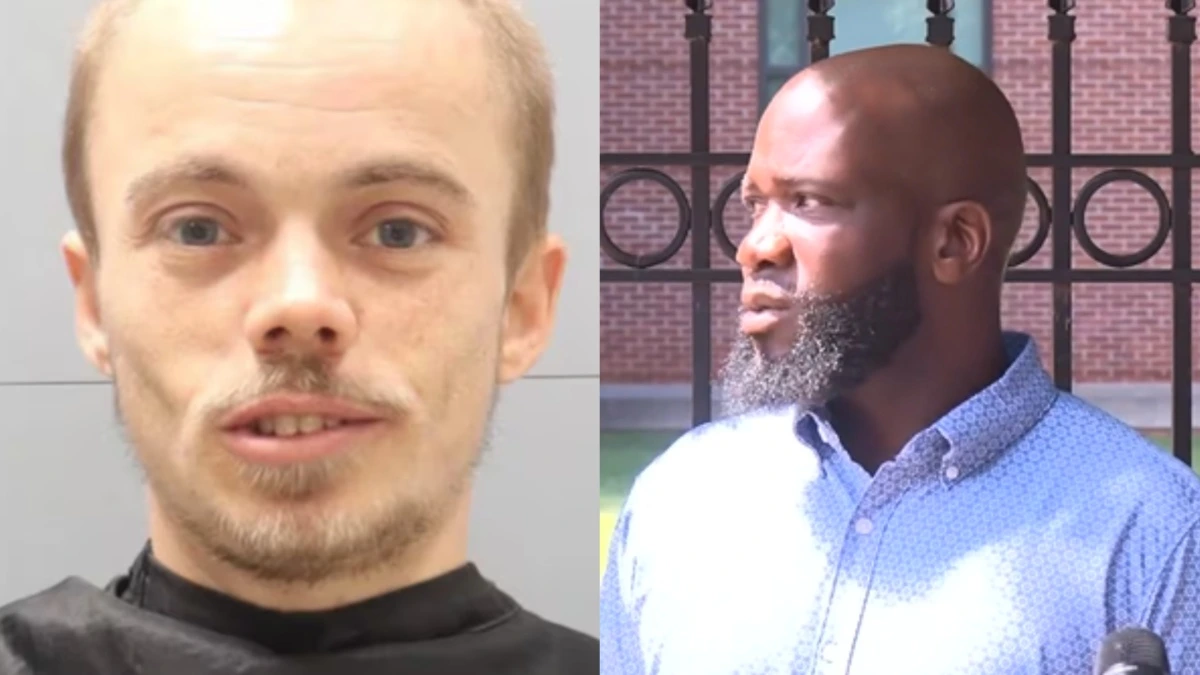
Jonathan Andrew Felkel, 34, was sentenced to nine years in federal prison on Thursday, according to the U.S. Department of Justice.
The case stems from a shooting that happened on July 17, 2024, just over two years ago.
Looking for ‘Black Criminals’
Jarvis McKenzie was waiting to go to work in Richland County when he encountered Felkel. According to McKenzie’s attorney, Tyler Bailey, Felkel drove up, shouted a racial slur, and fired a rifle in McKenzie’s direction.
Felkel told investigators he had been driving around looking for “Black criminals” when he saw McKenzie. After shouting, “You better run, boy,” Felkel shot at McKenzie before driving away.
“He had hoped to convey to [McKenzie] that he should ‘leave’ and ‘not be around this area’,” prosecutors said.
“Jarvis was forced to flee for his life, narrowly escaping harm,” Bailey wrote in a news release on his law firm’s website.
McKenzie was not physically injured in the shooting.
Living with Fear
Felkel and McKenzie both lived in the same neighborhood. McKenzie spoke to reporters after Felkel was sentenced.
“Being that it happened in my neighborhood, that was a safe place for me and my family to call home, and it’s not there no more,” McKenzie said. “He took that away from us.”
In addition to hate crime, Felkel was also charged with serious assault-related crimes.
Reporters asked McKenzie how he knew he was in danger that day. When he couldn’t find the words, his attorney piped up.
“We’ve been Black a long time, so we know what that means when someone says, ‘You better run boy,’” Bailey said.
The Hate Behind
Reporters asked Bailey why he thought Felkel admitted to the crime.
“I don’t know, but it shows what’s in his heart,” Bailey said.
Felkel’s attorney pointed to his client’s mental health struggles and prescription drug abuse as factors that contributed to his actions.
In addition to his federal sentence, Felkel is still facing multiple charges on the local level. Those include assault and battery of a high and aggravated nature and hate intimidation.
“Racially motivated violence will not be tolerated in South Carolina,” South Carolina State Attorney Bryan Stirling said.
South Carolina Hate Crime Laws
Felkel became the first person to be prosecuted federally and sentenced under Richland County’s Hate Crime Ordinance.
The measure, passed in June 2025, made Richland County the first in South Carolina to enact local legislation addressing bias-motivated crimes.
State lawmakers have yet to pass similar statewide legislation.
“Hate crimes not only harm individuals, but undermine the fabric of our communities,” Assistant Attorney General Harmeet K. Dhillon of the Justice Department’s Civil Rights Division said.
“The Justice Department will continue to vigorously prosecute such cases to restore safety and confidence in our neighborhoods.”
Atlanta Black Star reached out to Bailey for a statement but has not heard back.


