A Black ride-share driver instantly shut down a white passenger who touched her braids, and the video has reignited a longstanding debate about the fetishization of Black hair and bodies.
Judging by the comments on social media, Black women aren’t surprised — they’re just over it.
“Do you have curls and braids?” one of the passengers asked before another man in the back seat reached out and touched the woman’s hair while she was driving.
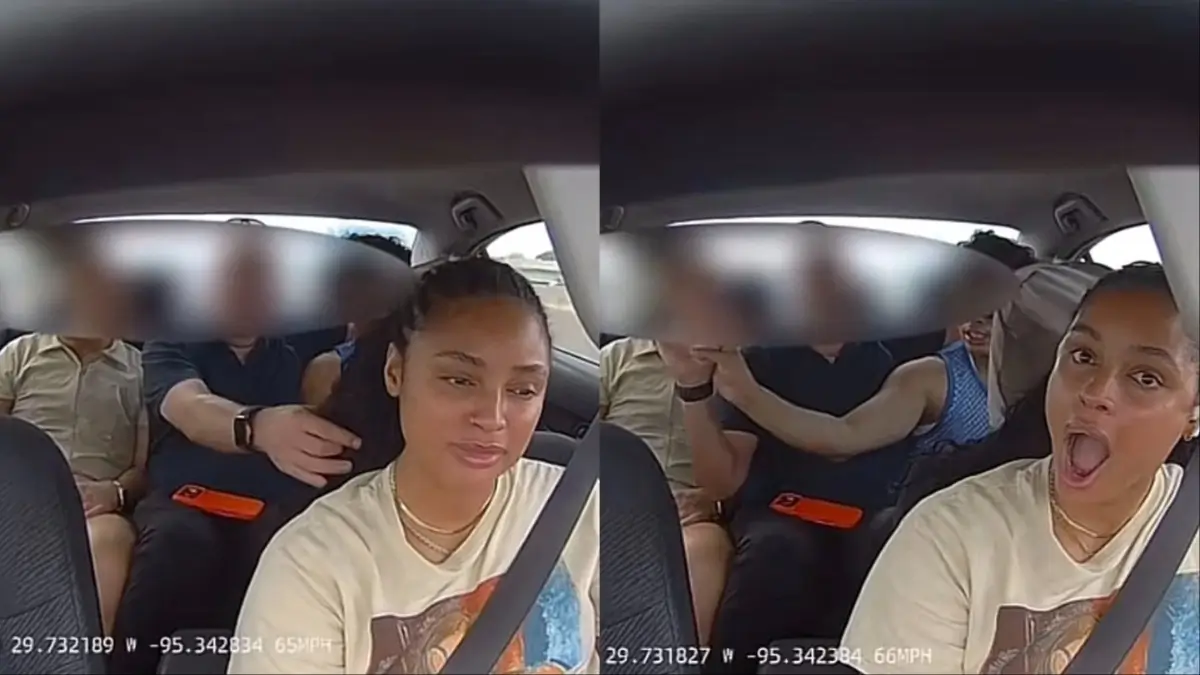
The man’s friend, who identified himself as Puerto Rican, gasped, “Don’t touch a woman’s hair!”
In the June 6 video, the driver, who goes by “tee.time__” on TikTok, also told the passenger to back off: “Baby, you white! Don’t touch my hair ever again.”
He immediately apologized for the gaffe, but many believe that doesn’t excuse the behavior.
‘Do NOT Touch Me’
Several viewers sympathized with the woman’s frustration. A top comment on Atlanta Black Star’s official Instagram account read, “My hair is ALSO my BODY. If you were not invited, do NOT touch me. Period.”
Others pointed out that the woman was working and paying attention to the road, meaning she couldn’t really “do anything about it.” One TikTok commenter quipped, “Ugh, so disrespectful.”
But many non-Black viewers had their own questions, puzzled why race was even part of the conversation.
@tee.time___ & this be yall problem . Yall be too comfortable in my presence .
♬ original sound – Tee
One asked, “He shouldn’t have done that, but what does being white gotta do with it?” Another more sarcastic response read: “How can I be a victim today?”
Perhaps the real question is why Black women are still having to teach people that their bodies aren’t public property. It’s a question with history behind it.
Unwelcome touching is invasive for women of all races, but for Black women, it often reflects historical burdens, from microaggressions to dehumanization.
During slavery, many Black people were displayed and treated as exhibits or curiosities by white viewers. So, when someone touches a woman’s braids simply because “she’s gorgeous,” as the same passenger who condemned the touching pointed out, it can land as more than an annoyance.
For “tee.time__,” the moment was over in seconds. For the rest of the internet, the conversation is ongoing.


