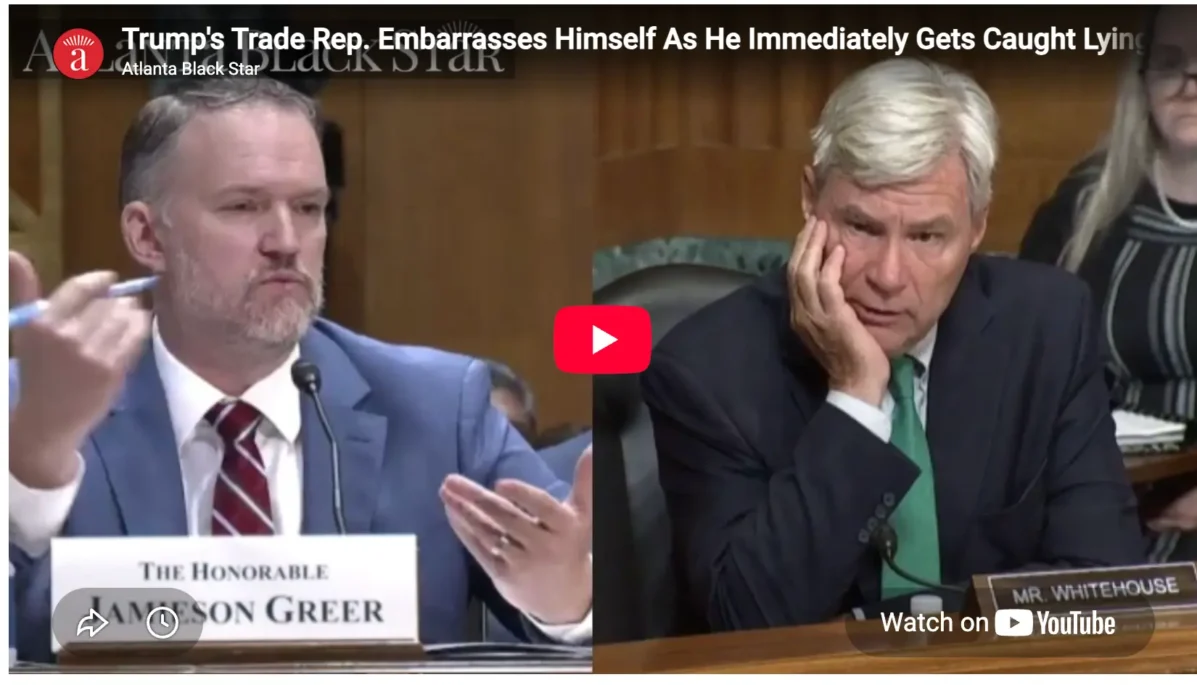
U.S. Trade Representative Jamieson Greer walked into a trap during a Senate Finance Committee hearing Wednesday. He claimed foreign companies absorbed Trump’s tariffs instead of American consumers. But consumer tariff refunds had already disproved that claim.
Sen. Sheldon Whitehouse opened with a rare moment of bipartisan agreement. He pressed Greer on environmental enforcement in trade deals. Greer agreed that countries should meet baseline environmental standards before receiving trade benefits.
“Continue to raise your game,” Whitehouse said, before pivoting to the issue he really came to address.
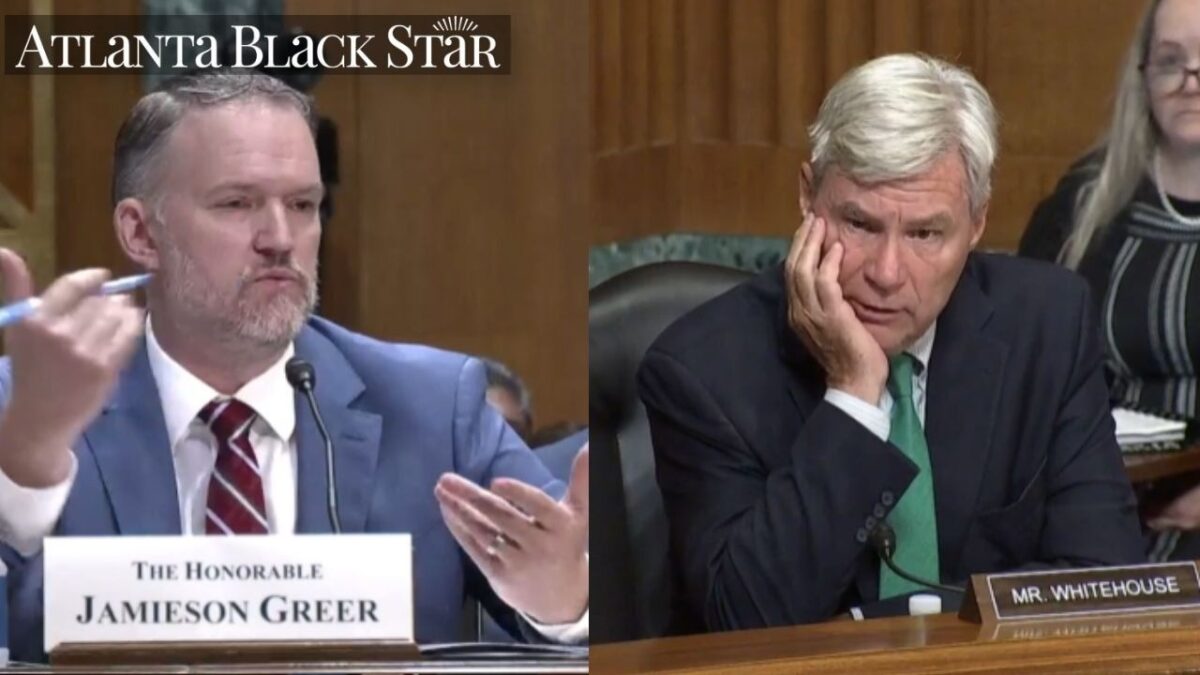
Whitehouse raised two concerns about the administration’s tariff refund process.
First, the Rhode Island Democrat argued that large corporations have an advantage. Their legal and financial teams can navigate the CBP refund portal more easily than small businesses. He said tariffs hit both groups just as hard.
Second, he said corporations can pocket the refunds instead of returning the money to consumers who originally absorbed the cost.
“If you’re a giant corporation and you have an enormous staff that is capable of being tasked to go and pursue tariff refunds through CBP, great,” Whitehouse said. “If you’re a small business that got whacked by a tariff, it’s not easy.”
Greer pushed back, arguing the refund portal has a “relatively straightforward user interface” and then made the claim that would cost him.
“I don’t concede that the tariffs went through to consumers,” he said. “A lot of them were eaten by foreign companies.”
Whitehouse cut him off before he could finish.
“If in fact it’s not paid by the American side, it would make no sense to be making refunds,” he said. “Your behavior with tariff refunds proves the point that it’s not just paid by foreigners, or foreign governments, or China, or whomever.”
Whitehouse closed with a blunt warning.
“Americans are having a real cost problem,” he said. “I would urge you, and I think it’s in your interest as an administration, try to help reduce the burden on American consumers by reducing the level of inordinate tariff assessments. So good luck with that.”