Karmelo Anthony’s new legal team is wasting no time challenging the murder conviction that sent the Texas teenager to prison for 35 years.
Just weeks after taking over his case, Anthony’s appellate attorneys filed two major motions Tuesday. One asks that Judge John Roach be removed from handling any post-trial proceedings. The other seeks an entirely new murder trial, arguing that constitutional errors tainted the case from the start and should be reviewed by a different judge.
The filings mark the first major legal offensive since Anthony replaced the attorneys who represented him during his trial.
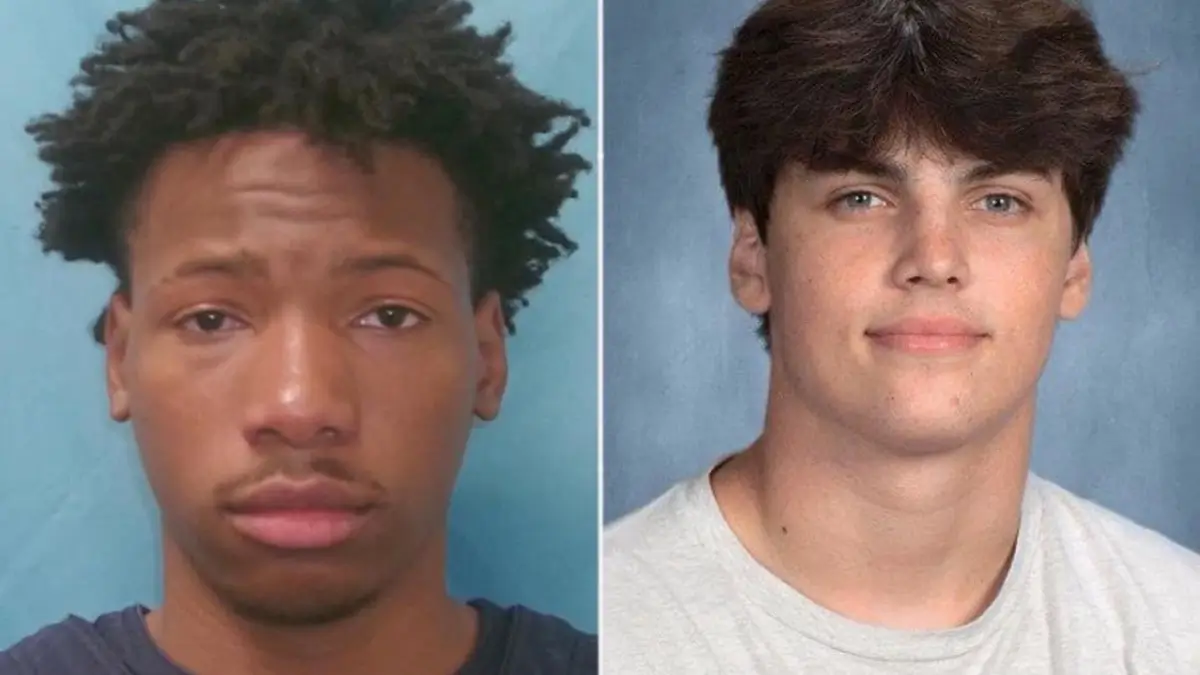
According to the motions, the defense argues Roach should not preside over post-trial matters after publicly posting a letter following the conclusion of the highly publicized trial.
The request comes as legal experts continue to point to one issue they believe gives Anthony his strongest chance on appeal: the jury that convicted him did not include a single Black juror.
Legal Experts Say Jury Selection Could be Centerpiece of Appeal
Although nearly 600 Collin County residents were initially summoned for jury duty, the final jury that convicted Anthony included no Black jurors despite Black residents making up more than 10 percent of the county’s population.
“I know during the jury selection process, the district attorney struck three qualified Black jurors,” Alexis Hoag-Fordjour, a criminal law professor at Brooklyn Law School and nationally recognized expert on race and the criminal legal system, previously told Atlanta Black Star.
“And what I mean by three qualified Black jurors is these were jurors who indicated that they could view the evidence impartially.”
Prosecutors argued they struck the three Black women because they worked as educators, claiming teachers could be biased in a case involving two high school students.
Anthony’s trial attorneys challenged those removals under a Batson motion, which prohibits attorneys from excluding jurors because of race. However, Roach rejected the challenge and allowed the jury selection process to stand.
Hoag-Fordjour said the prosecution’s explanation could unravel if non-Black educators ultimately served on the jury.
“I haven’t read the transcript, but if any of those 18 people are educators and said they were educators, we know that wasn’t a race-neutral reason. That was just pretext,” she said.
Judge Publishes Letter After Trial
Roach’s role in the case has drawn renewed scrutiny because, after the trial ended, he published a public letter defending his handling of the high-profile proceedings.
In the letter, Roach rejected criticism surrounding the case, including complaints about his courtroom rulings and the all-white jury, writing that the trial followed Texas law and that both sides received a fair hearing.
He also stood by the jury’s verdict and sentence, saying he was guided by the law rather than public opinion.
In the letter, the judge praised the trial as a model of the “fair, orderly, and secure administration of justice” and thanked dozens of county departments, law enforcement agencies, court employees and fellow judges for helping conduct the high-profile proceedings.
Roach repeatedly asserted that everyone involved worked together to ensure the trial was handled “fairly, safely, and with the dignity our citizens deserve,” calling it “one of the great honors” of his judicial career.


