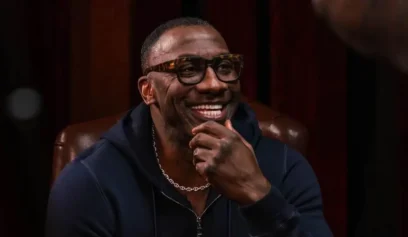
Actor Damon Wayans dropped a comedy bombshell while chatting with Shannon Sharpe on this week’s episode of “Club Shay Shay,” casually revealing that one of Hollywood’s most beloved funnymen had a shadowy reputation among his peers.
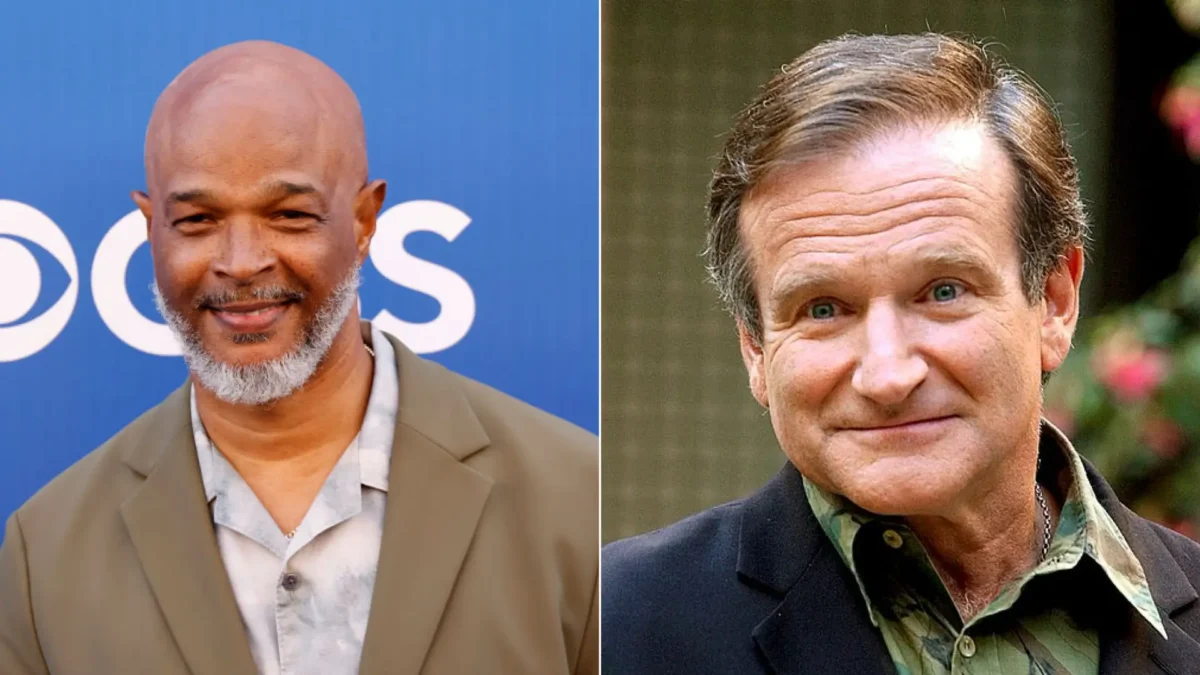
The “Major Payne” star and comedy veteran didn’t hesitate when he named the late Robin Williams as a “notorious thief” in the stand-up world, claiming Williams regularly lifted material from fellow comedians throughout his career.
The unexpected accusation surfaced during a conversation after Sharpe asked Wayans about Katt Williams’ headline-making January 2024 appearance on the podcast.
During that explosive interview, Katt had ignited what would become a year-long comedy war by accusing Steve Harvey and Cedric the Entertainer of pilfering jokes from him and Mark Curry — allegations that divided fans of the “Kings of Comedy.”
“Robin Williams was a notorious thief. I ain’t lying. His manager used to walk around with a checkbook,” Wayans disclosed during the interview.
He continued, “Robin would come off stage, and a comedian would be like, ‘Hey, he just took my joke.’ He would write him a check for $75 because he knew Robin was all stream of consciousness and he would steal. He was known. Comedians would go, ‘I’m not going on because Robin’s here.'”
Despite these serious allegations, Wayans maintained a surprisingly philosophic stance on joke theft.
The “In Living Color” star suggested that comedians shouldn’t take such incidents too personally, explaining, “If it’s not the last joke I’m ever going to tell. I ain’t going to treat it like that. You ain’t take my wife or my kid. It’s just a joke. That means I gotta think of something else.”
The comments quickly spread across social media when the show posted a clip.
“I would trip over principal. It’s the disrespect about the predicament not the joke,” wrote one commenter.
Another added, “John Witherspoon said Robin Williams stole jokes from black comedians and used them on his show Mork & Mindy.”
The late comedian John Witherspoon previously discussed Williams’ habit during an appearance on Sirius XM’s “All Out Show,” claiming, “He would steal stuff every week. That’s why he was so funny. He taking all everybody’s best material.”
Witherspoon also stated that Williams would have his lawyer compensate comedians if they could prove he had used their material.
Some commenters drew parallels to other instances of white entertainers appropriating Black artists’ work, with one person simply stating, “Just like Elvis.”
On Facebook, one user responded with quips like “Robin was robbin’.”
Jokes aside, many comedians didn’t view Williams’ actions as malicious.
Lewis Black once recounted an experience where Williams incorporated some of his material into a performance, but Black believed it was unintentional.
“He was in shock because so much went into his brain that I don’t think he was conscious of it,” Black explained, according to Cracked. “He went at the speed of light, and there was no other comic like him, apart from maybe Richard Pryor.”
Black also emphasized Williams’ positive contributions to the comedy community, noting, “The man was an absolute sweetheart. He went out of his way to help support young comics.”
Williams himself addressed these allegations during a 2010 interview on Marc Maron’s “WTF” podcast.
He acknowledged that his improvisational style sometimes led to unintentional use of others’ material, “In the old days, if you hung out in comedy clubs… you hear things. And then, if you’re improvising, you’re all of a sudden repeating (jokes) and going, ‘Oh, sh-t.’ My brain was working that way.”
To prevent such occurrences, Williams eventually stopped attending other comedians’ performances.
“I had to go through a period when I’m not going to hang out (at clubs) anymore,” he explained. “I can’t because I don’t want to be getting into that thing.”
The “What Dreams May Come” actor himself admitted to paying comedians when he realized he had used their material, calling himself “the bank of comedy.” Yet he also expressed skepticism about some claims, noting that certain jokes represent “common material” that many comics might independently develop.
The common material claim is what Cedric the Entertainer says happened with the Katt Williams joke.
The discussion about Williams’ legacy illuminates the intricate interplay of inspiration, memory, and originality in stand-up comedy, a realm where the distinction between influence and appropriation is often murky.
While Williams, who committed suicide in 2014, unquestionably possessed talent and his gift for improvisation cemented his status as a comedy icon, Wayans’ recent remarks underscore that even the brightest stars in comedy may have drawn from the work of others, whether knowingly or inadvertently.
This dynamic resonates deeply with fans of the “Mo Money” star, with one admirer noting, “That’s why Damon is among the Kings… he’s truly seen it all.”