The Dolly Parton hit song “Jolene” is all-too-real of a tale for many of the singer’s fans, but as it turns out, the tune was inspired by a real-life Jezebel.
The 1973 track is the first single from Parton’s album “Jolene,” which was released in 1974. For decades now, the song has been covered by countless artists, most recently by Beyoncé for her country-leaning album, “Cowboy Carter.”
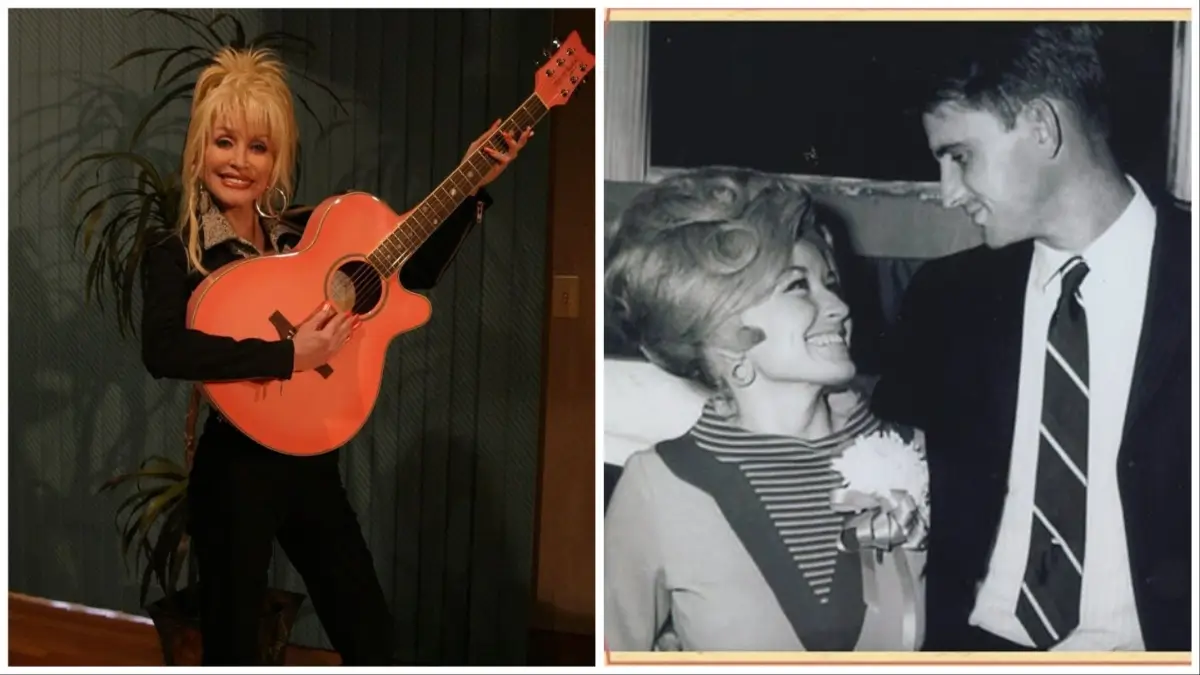
With new ears listening to the infamous lyrics of a woman knowing no bounds, the country music icon’s account of how the song came to be has resurfaced. A clip from a performance in the ’90s proves once and for all how the “pitiful ol’ story of Jolene” turned into the massive hit that generations of people have come to love.
“I wrote the song about 20 years ago about this woman down in Nashville who worked at the bank. She was trying to take care of my husband while I was out on the road. Well, that didn’t go over too good with me. I fought that redheaded woman like a wild cat,” said Parton with a giggle.
Her story continued, “She jerked my wig off and almost beat me to death with it, but I kept my husband. I got that sucker home and I beat the tar out of him.” She and husband Carl Thomas Dean married on Memorial Day in 1966, two years after they met in “Music City.” This year marked the 58th wedding anniversary for the couple that has managed to keep their union out of the spotlight despite “Jolene.”
The “9 to 5” actress would go on to spot a number of fans in the audience, even pointing out one concertgoer who looked like “Jolene,” calling her a “redheaded hussy.”
In the comments of the post recirculating the tale, one person wrote it was the country version of “Hello, Barbara, this is Shirley,” also known as “Woman to Woman,” by Shirley Brown. The latter song was released a year after “Jolene” but shares the same premise of a woman confronting the temptress trying to woo a man from his happy home.
Another person said that “Dolly is savage called that woman a hussie.” A third user remarked, “I hear most women are now begging Jolene to take their man.”
However, Beyoncé is not one of those women begging for someone else to claim her man and his wandering eye. Ahead of her album’s debut, Parton shared that it was her dream for the pop star to record “Jolene.”
Four years ago, when Parton appeared on “The Tonight Show with Jimmy Fallon,” she said she got the last laugh after running into “Jolene.”
“She’s not so hot now,” she said with a chuckle. She joked about the woman’s red hair fading to gray and her D-cup breasts being swapped out for depends, while singer continues to draw praise from millions of fans at 78 years old.