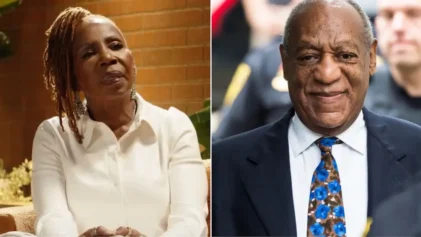
Iyanla Vanzant’s show “Iyanla, Fix My Life” may have ended, but the inspirational speaker is not ready to stop helping people. During a recent interview, Vanzant expressed that she wants to work with police departments to change the dynamic between them and the Black community.
While talking to The Grio, the television show host said there’s a continued “trauma” of fatal police encounters that continuously takes place in America. Vanzant described that trauma as “sudden, unexpected events or experiences that have a disparate or serious impact on mental, emotional, and sometimes physical health.”
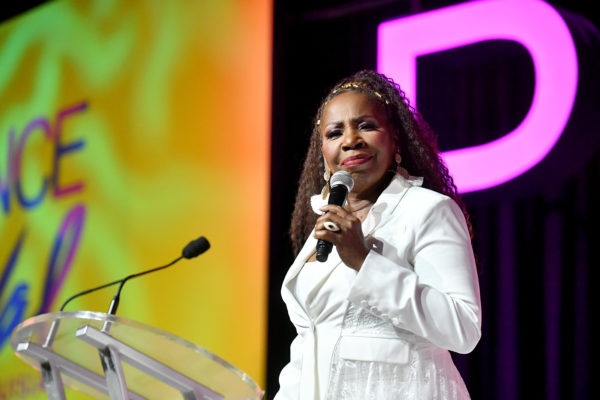
She added, “We need to recognize that we’re in an ancestral pattern. This person was hung, and before you could mourn that, that person was hung. This person was whipped,” the 67-year-old said. Vanzant is adamant that a different approach must be taken to combat the tension between police and the Black community.
Still, this wouldn’t be her first time working in this environment. Based on her experience working with the community of Ferguson, Missouri, in 2014, following the fatal police shooting of Michael Brown Jr., the author believes society’s resentment with police departments is hindering people from acknowledging the critical thing that unites both worlds, which is mental health and healing trauma.
As previously reported, Brown Jr. was shot by Ferguson officer Darren Wilson after the Black 18-year-old allegedly stole cigarillos from a convenience store in 2014. Brown’s death sparked outrage and protests throughout the United States. Still, a grand jury decided not to indict Wilson, who was acquitted in 2015.
Vanzant’s goal is to work directly with law enforcement in order to initiate the healing process around trauma that stems from police brutality.
“Before you can see me as whatever my human expression is, Black, Latin[x], whatever, brown and be sensitive to that, you got to see me as a human being … you can’t see me as a human if you don’t feel like a human,” she explained. She added, “I think that we are forgetting that police officers are human. They came from dysfunctional families. Some of them didn’t have daddies. Some of them had mothers who were drunks. Some of them grew up in foster care.”
Reform in the shape of increased training and a focus on equity will not cut it, according to Vanzant. She believes officers “need support and mental health intervention.” She added, “How many of them have been abandoned, abused, sexually violated? And now you’ve got a badge and a gun. So before we can even deal with racial sensitivities, these people need to be trained as human beings.”