The results of two autopsies ruled George Floyd’s death a homicide, but their findings contradicted each other in key aspects.
An independent autopsy arranged by Floyd’s family determined the 46-year-old died of “asphyxiation from sustained pressure.” Floyd died on May 25 after former Minneapolis Police officer Derek Chauvin pressed a knee into his neck for more than eight minutes. Chauvin was charged with third-degree murder and second-degree manslaughter. He and three other MPD officers were fired after the incident.
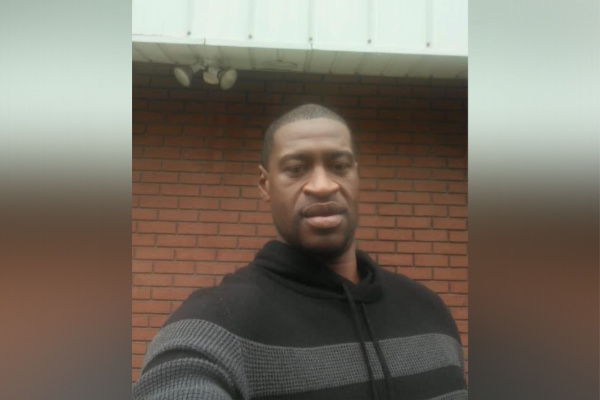
Dr. Michael Baden and Dr. Allecia Wilson performed the independent autopsy. Baden, former chief medical examiner of New York City, did an autopsy on Eric Garner, another Black man killed by the police. Garner died after an NYPD officer used an illegal chokehold to restrain him during an arrest. Like Floyd, Garner repeatedly told the officer “I can’t breathe.”
Baden said Floyd succumbed because of pressure on his neck and back that interrupted blood flow and ability to breathe, according to CBS News. He and Wilson stated Floyd was dead within four minutes of being restrained. The doctors also noted marks on Floyd’s face were indicative of the stress Chauvin placed on his body. Ultimately, Wilson and Baden ruled the death a homicide.
“There is no other health issue that could cause or contribute to the death,” Baden said Monday. “Police have this false impression that if you can talk, you can breathe. That’s not true.”
A report released by the Hennepin County Medical Examiner’s office on Monday came to the same conclusion of homicide but cited other factors. The county examiners reported Floyd died from “cardiopulmonary arrest complicating law enforcement subdual, restraint and neck compression.” In other words, his heart failed. The county report did not mention asphyxiation, but did, in contrast to the independent report, cite underlying conditions as contributing to Floyd’s death, including “arteriosclerotic and hypertensive heart disease; fentanyl intoxication; [and] recent methamphetamine use.”
Disputing the county’s findings, Floyd family attorney Ben Crump said, “The ambulance was his hearse,” during Monday’s news conference.
“What those officers did, as we have seen on the video, is his cause of death — not some underlying, unknown health condition,” Crump said. “George Floyd was a healthy young man.”
“This was a brutal and public display of an eight-minute prolonged death,” said Antonio Romanucci, another lawyer. “This was the lowest level of human respect and dignity that any community should ever have to endure. What this really was the weight of the Minneapolis police department on George’s neck.”
“George died because he needed a breath,” Crump said. “He needed a breath of air.
In another development, by Tuesday Crump said he has learned from officials that the three other cops fired in connection with Floyd’s death are set be charged. “We heard that they expect to charge those officers,” Crump said in a morning appearance on NBC’s “Today” show.


