A former NFL Super Bowl champion alleges bankers at a JPMorgan Chase branch discriminated against him and admitted to bank executives’ racial bias when he tried to invest hundreds of thousands of dollars in earnings.
Jimmy Kennedy, who won a championship ring at the 2012 Super Bowl as a player for the New York Giants, secretly recorded his interaction with bank staff at an Arizona branch after getting the runaround when he applied as a “private client.”
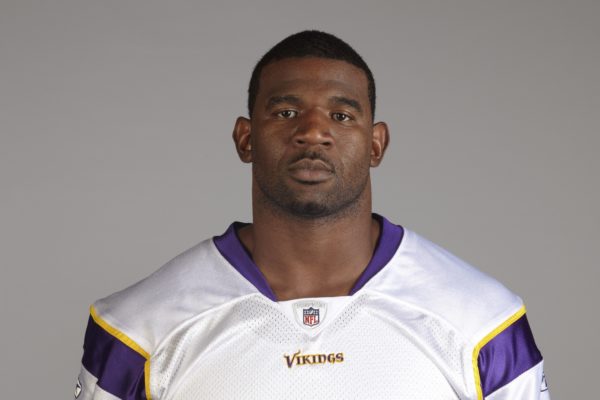
Jimmy Kennedy, 38, was attempting to invest $800,000 in earnings at JPMorgan Chase and applied to be a “private client.” (Photo by NFL Photos / Getty Images)
The elite status, which is reserved for account with at least $250,000 in deposits, gives travel discounts and other perks not offered to regular clients, and Kennedy wanted in. After he was denied, however, a JPMorgan staffer suggested Kennedy’s race and “intimidating” stature were to blame.
“You’re bigger than the average person, period. And you’re also an African-American,” Charles Belton, who’s also Black, told Kennedy in the recording published by The New York Times on Wednesday. “We’re in Arizona. I don’t have to tell you about what the demographics are in Arizona. They don’t see people like you a lot.”
This isn’t the first time the megabank has faced discrimination claims. In May, former White Vernon, New York, Mayor Richard Thomas claimed he and two members of his staff were racially profiled at a branch in White Plains. A worker reportedly dialed police when he tried depositing a six-figure check into the city’s bank account.
Kennedy, who retired from the NFL in 2011, earned about $13 million over his seven-year career and was attempting to invest $800,000 of his money when he started having issues with the bank. Accordings to the Times, he had previously been paired with another financial adviser, Ricardo Peters, who also accused JPMorgan of discrimination.
In a complaint to the bank, Peters said he took his concerns about being treated differently because he’s Black to his then-boss, a Frank Venniro, who brushed him off and suggested he find a job at a branch in a less-wealthy community. Like Kennedy, Peters sought to record evidence of his claims.
He had previously complained to Venniro about another adviser trying to steal a client — a Black mother on Section 8 federal housing assistance who was awarded $372,000 in a wrongful death settlement. His boss declined to help, however, saying the dispute “wasn’t worth it.”
“You are not investing a dime for this lady,” Venniro says on the recording, suggesting the woman would blow the money in no time. “This isn’t money she respects. She didn’t earn it.”
Peters would be fired by Venniro a few months later.
JPMorgan initially didn’t give a reason for the dismissal but later claimed Peters was fired for “improperly assigning credit for a new client to an employee who managers didn’t think deserved it” after Peters filed a suit against them.
Kennedy was then left with no one to oversee his assets, which he’d begun moving into JP Morgan in the summer of 2018. After being told that he was denied private client status, the former pro athlete complained directly to Venniro.
Belton warned him against ever doing such a thing again and insisted that Kennedy only deal with him. In the secret recording, the adviser is heard telling Kennedy that Venniro was afraid to tell him his application for the premier perks was deleted when Peters was fired.
“You sit in front of him, you’re like three times his size — you feel what I’m saying? — he already probably has his perception of how these interactions could go,” Belton said. “They’re not going to say this, but I don’t have the same level of intimidation that they have — you know what I’m saying? — not only being a former athlete but also being two black men.”
The damning recording reportedly resulted in a bank executive being placed on leave. That exec has since resigned, the Times reported.
Meanwhile, Kennedy has removed much of his money from the bank and filed a grievance with a local watchdog group.