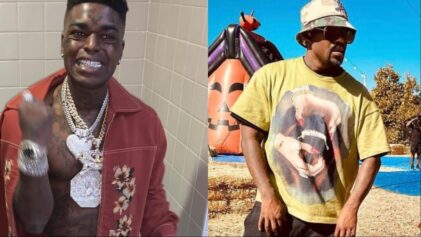
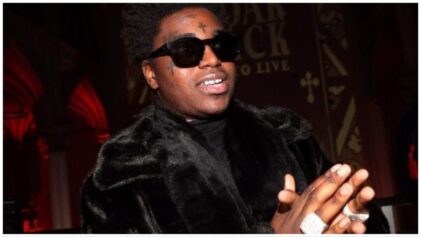
Kodak Black will remain behind bars in Miami until he goes to trial in August on weapons charges.
He was initially granted a release by Magistrate Judge Edwin Torres on a $550,000 bond and placed on house arrest. But on Wednesday U.S. District Judge Federico Moreno, responding to appeals by federal prosecutors in Miami, reversed that decision and said releasing Black wouldn’t be safe.
On May 11, the rapper was arrested while on his way to Miami’s Rolling Loud festival before he was able to perform. He was accused of lying on a firearms application by checking “no” to a a question that asked if he’d ever been indicted for a crime.
In 2016 Black — whose birth name is Dieuson Octave but was later changed to Bill Kapri — was arrested and charged with sexual assault in South Carolina after a woman said he forced himself on her in a hotel room. Black is currently out on bond in that case, which Moreno addressed.
In addition, one of the guns Black purchased was linked to a shooting earlier this year that involved another rapper in Pompano Beach, Florida.
“I’m very concerned with the type of guns he wanted to get a hold of and that he has a prior,” the judge explained. “He was out on bond [from the South Carolina case], and he committed an offense. I think he’s a danger to the community because he wants to have access to guns.”
Reportedly, Black tried to buy a 9-millimeter handgun, a .380-caliber handgun and a semiautomatic weapon from a Miami-area gun store. Black’s attorney said his client needed the firearms because he was getting threats from gang members and other rappers.
The rapper’s South Carolina trial was supposed to begin in April but it has been delayed.