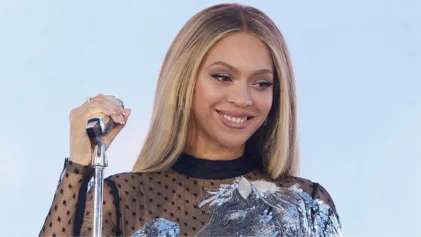
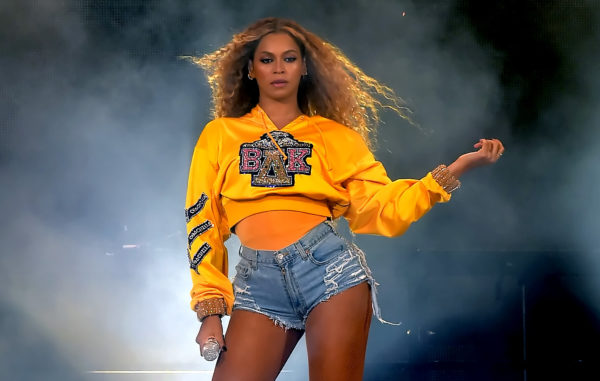
Beyoncé’s highly anticipated Netflix documentary debuted early Wednesday, and while it’s filled with a behind-the-scenes look at the creation of her now-iconic Coachella 2018 performance, it also includes stunning details about the birth of her twins.
In the doc “Homecoming,” which follows the creation of “BeyChella” and the final performance, Bey also discusses what it took for her to welcome her youngest children, 1-year-olds Sir and Rumi Carter. The star was scheduled to perform at Coachella in 2017 but said her “unexpected” pregnancy with the twins delayed the show.
“My body went through more than I knew it could,” she admitted. “I was 218 pounds the day I gave birth. I had an extremely difficult pregnancy. I had high blood pressure.”
But that was only a portion of Bey’s issues.
“I developed toxemia — preeclampsia — and in the womb, one of my babies’ heartbeat paused a few times, so I had to get an emergency c-section,” she continued, mentioning the condition marked by high blood pressure and increased protein in the urine as well as swelling of feet, legs and hands.
Beyoncé gave birth to her son and daughter in June 2017 when she was 35 years old. Since then, fans have only gotten a few rare glimpses of the toddlers, whose older sister is 7-year-old Blue Ivy Carter. One of the newest glimpses came in the April 16 doc.
Online, fans have been applauding Bey for her candor in disclosing her harrowing delivery.
“Hearing a black woman as rich and famous as Beyoncé talk about all the pregnancy complications she experienced and having to have an emergency c section really illuminates the infant and maternal mortality crisis for black women and infants right now.”
“This is very fitting, and I’m sorry that she too experienced pregnancy complications. All hail #QueenBey!”
“The way Beyoncé is discussing her pregnancy complications and needing to have a c-section. Whew. #BeyoncéHomecoming #Homecoming.”
After giving birth to the twins, however, Bey jumped into rehearsals to prepare for her performance at the long-running music festival, where she became only the third woman to headline the event.
“It’s hard. There were days that I thought I’d never be the same. I’d never be the same physically. My strength and endurance would never be the same,” she admitted. “A lot of the choreography is about feeling. So it’s not as technical, it’s your own personality that brings it to life. And that’s hard when you don’t feel like yourself.”
“I had to rebuild my body from cut muscles,” she added. “It took me awhile to feel comforted enough to freak it and give it my own personality.”
Beyoncé dropped her “Homecoming” documentary on Netflix accompanied with “Homecoming: The Live Album” on Wednesday, April 17.