Queen Latifah is stepping up to help her hometown of Newark, New Jersey, in a major way.
NJ.com reports the rap legend is building 20 three-family town houses as part of a $14 million project. She’s also creating a separate building that’ll have 16 more units of affordable housing, a fitness center and commercial space to be rented by nonprofit organizations. Rents for the market rate 60 town house units will start at $1,800 a month.
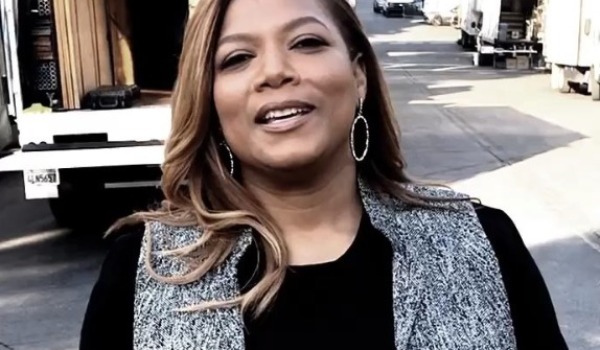
Latifah — who was born in Newark but grew up in East Orange, N.J. — and her BlueSugar Corporation, of which she is co-president, are partnering with GonSosa Development on the project, which is slated to start this summer. The market rate units are projected to open by December 2020, and the affordable housing, where rents will be based on people’s income, are to be completed by December 2021.
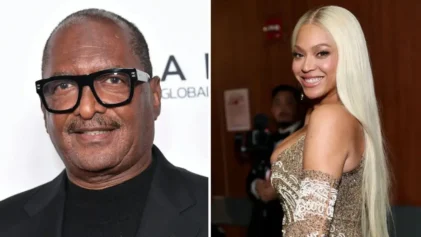
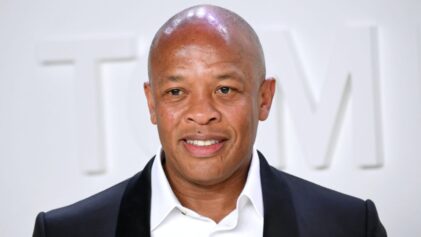
Other celebrities who’ve helped build affordable housing in their hometowns include Beyoncé, who in 2015 donated $7 million so 43 apartments can be built for lower-income families in Houston where she grew up. And in 2017 Dr. Dre donated $10 million to create an arts center in his hometown of Compton, Calif.
Plus, the rapper Slim Thug started Boss Life Construction a while back to build quality affordable housing in low-income neighborhoods in the Northwest section of his hometown of Houston.
Cristina Pinzon, a spokeswoman for Latifah’s project, spoke about the need for affordable housing in Newark.
“They understand how difficult it is to make ends meet for many residents and want to be part of the solution,” she said in a statement. “They remain dedicated to making life better in communities like Newark.