Mathew Knowles Says Beyoncé’s Success Is Due to Her Lighter Skin, Utah Congresswoman Fires Back


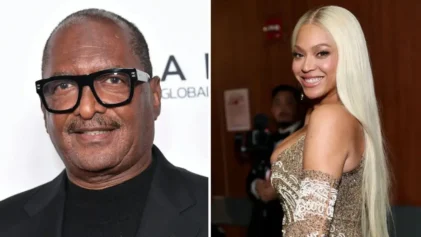
Would Beyoncé still be as huge of a star if her skin were darker? Mathew Knowles doesn’t think so, but a history-making Utah congresswoman disagrees.

“Well, I think Beyoncé is talented enough that she would have made her print on the world anyway,” Rep. Mia Love, Utah’s first Black congresswoman, tells TMZ Monday, Feb. 5. “I think she’s just [so] talented that the world would watch. It’s more than just about her color.”

Knowles made headlines for his take on how colorism has affected his dating life (he initially thought ex-wife Tina Lawson was white) and he thinks it’s also affected the singers who achieve mainstream success.

“When it comes to Black females, who are the people who get their music played on pop radio?” he asked in a Friday, Feb. 2 Ebony magazine profile. “Mariah Carey, Rihanna, the female rapper Nicki Minaj, my kids, and what do they all have in common?”

When the interviewer acknowledged the performers’ lighter skin, Knowles responded, “Do you think that’s an accident?”

“Of course not,” the reporter said.

“So you get it!”

Still, Love thinks enough progress has been made in the music industry so that a dark-skinned Beyoncé could thrive.

“I think that there are some really talented people out there that are doing their thing,” she says. “We need to continue to break the glass ceilings and allow people from all walks of life, all beliefs to do their thing and leave their imprint on the world.”
Independent journalism still matters.

We hope this story was worth your time. For over 14 years, Atlanta Black Star has stayed Black-owned and independently run. We didn't get here by waiting on ad budgets that were never built to prioritize us. Our readers did that.

Corporate support for Black media has always been thin. Outlets like ours get roughly 1% of the $170 billion spent on U.S. advertising each year, and that margin is shrinking further as advertisers walk back the DEI-linked commitments they made in 2020. That's the backdrop. It's not why we're asking.

The wider picture isn't any steadier. Newspaper ad revenue has fallen more than 80% since 2005, and local newsrooms are closing at a rate of roughly two a week nationwide. When outlets go under, it's rarely the ones built to center a Black perspective from the ground up that get to stick around.

We know a request for support isn't why you came here. But without readers choosing to fund this work directly, the depth of reporting we can do at home and abroad shrinks along with everyone else's. If you're not in a position to give, that doesn't change how much we value you as a reader.

If you are able to, a recurring contribution does more for us than a single one-time gift, because it lets us plan the next investigation instead of just the next invoice. It takes about 30 seconds, no long form, no account. Thank you for continuing to support independent journalism and freedom of the press.

Back to top