10 Amazing Ladies That Totally Rocked the Blaxploitation Era

The term blaxploitation was created by former film publicist Junius Griffin in the early 1970s. It is considered the first genre to regularly feature predominately all-Black casts as well as soundtracks that were comprised of soul and funk music. During this time, the storylines focused on a wide range of topics with underlying social and political commentary, including the war on “The Man” better known as white supremacy.

To date, the genre’s role in helping shed light on race relations has been extremely controversial. Many critics believed the leading ladies of blaxploitation films were either perpetuating the stereotypes set forth by white America or shattered the glass ceiling by becoming a symbol for Black female identity and Black empowerment. Let’s take a look at some of the women pioneers from Pam Grier to Trina Parks who paved the way during the blaxploitation era.
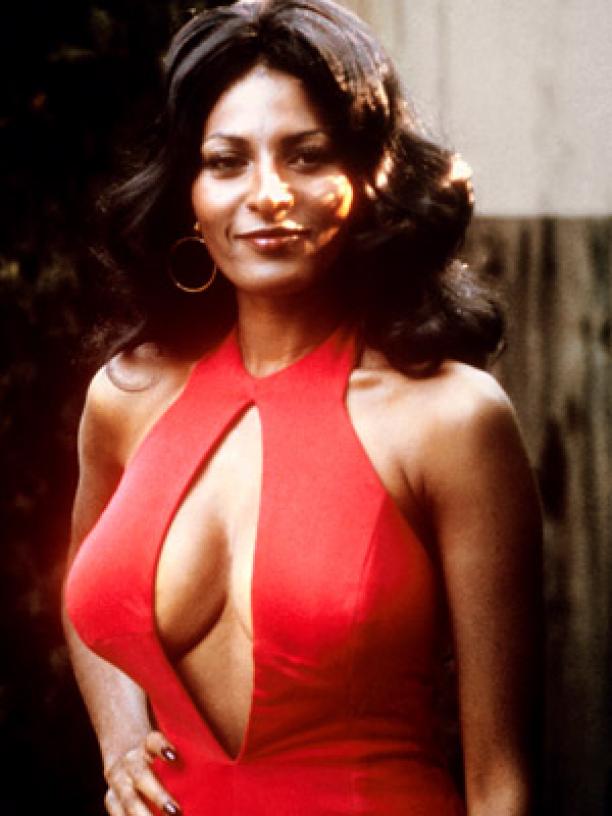
Actress Pam Grier as Foxy Brown

Actress Pam Grier in “Foxy Brown”

Pam Grier

As the original Foxy Brown, Pam Grier is most notably known for her roles in films such as Coffy (1973) and Foxy Brown (1974). Although heavily criticized, she went against societal standards by showcasing nudity and acting out violent scenes on the big screen. In 1997, she paid tribute to the blaxploitation era when cast in the movie Jackie Brown by film director Quentin Tarantino.
Still independent.

We hope this story was worth your time. For over 14 years, Atlanta Black Star has stayed Black-owned and independently run. We didn't get here by waiting on ad budgets that were never built to prioritize us. Our readers did that.

Corporate support for Black media has always been thin. Outlets like ours get roughly 1% of the $170 billion spent on U.S. advertising each year, and that margin is shrinking further as advertisers walk back the DEI-linked commitments they made in 2020. That's the backdrop. It's not why we're asking.

The wider picture isn't any steadier. Newspaper ad revenue has fallen more than 80% since 2005, and local newsrooms are closing at a rate of roughly two a week nationwide. When outlets go under, it's rarely the ones built to center a Black perspective from the ground up that get to stick around.

We know a request for support isn't why you came here. But without readers choosing to fund this work directly, the depth of reporting we can do at home and abroad shrinks along with everyone else's. If you're not in a position to give, that doesn't change how much we value you as a reader.

If you are able to, a recurring contribution does more for us than a single one-time gift, because it lets us plan the next investigation instead of just the next invoice. It takes about 30 seconds, no long form, no account. Thank you for continuing to support independent journalism and freedom of the press.

Back to top