
The Zulus were the most dominant.
In his book, Zulu Warriors: The Battle for the South African Frontier, John Laband explains that, at the time of the Battle of Isandlwana, the Zulu Kingdom, under the leadership of King Cetshwayo, was perhaps the most dominant state of the southern region of Africa. This dominative power reached its peak in the 19th century with the creation of the Zulu Kingdom, a powerful centralized territory of warriors and kings. Laband states that, as a result, the British deemed it necessary to “neuter [their] military capacities.” They also wished to “break their political power.”
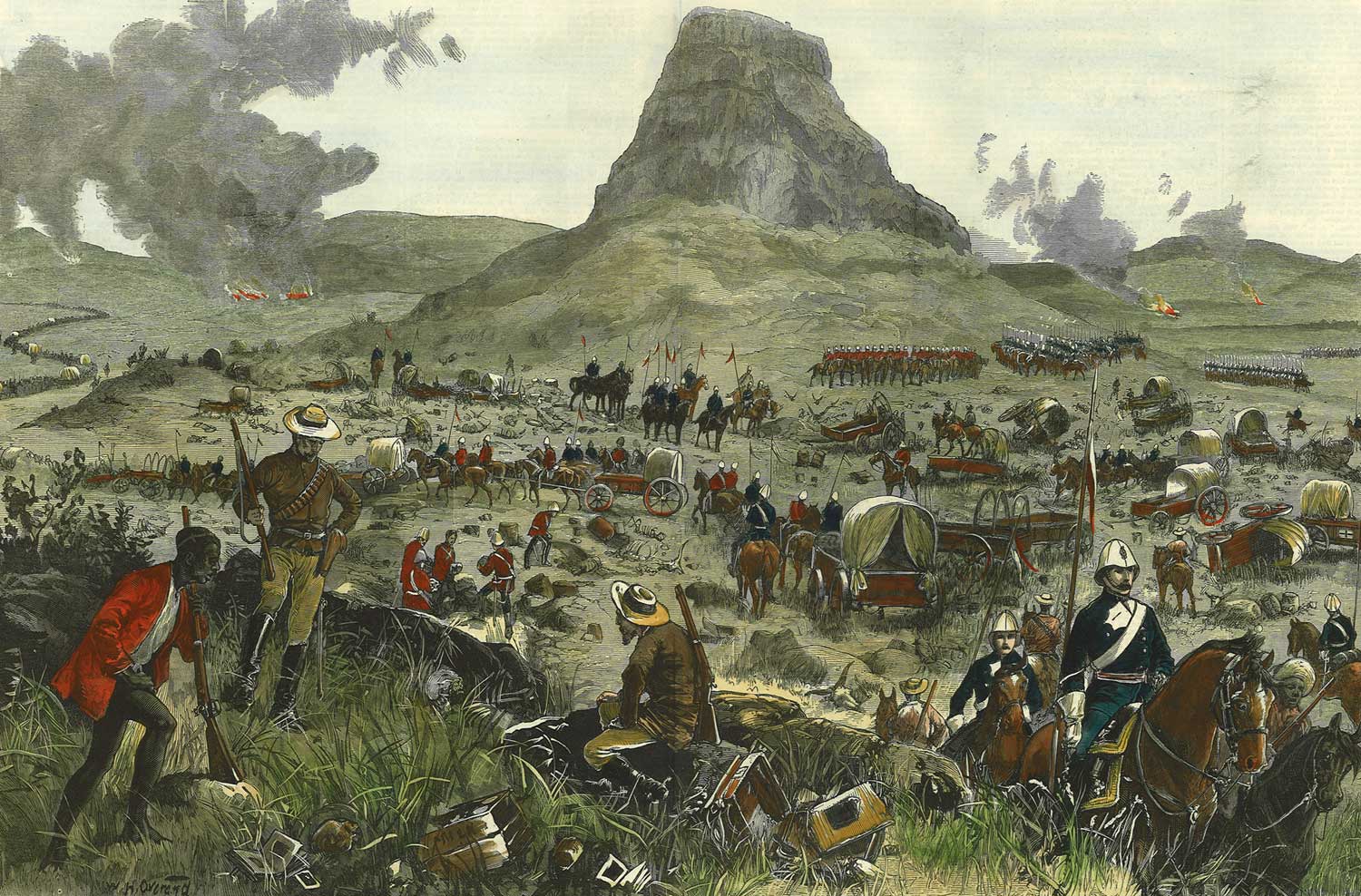
via britishbattles.com
It was one of the most famous battles of African resistance to colonization.
Kennedy Hickman, a museum professional and military history expert, declares the Battle of Isandlwana as “worst defeat ever suffered by British forces against native opposition.” According to Hickman, a total of 1,329 British troops died in a single day, including 417 of their African troops. Only 55 British soldiers were able to retreat and survive the battlefield.
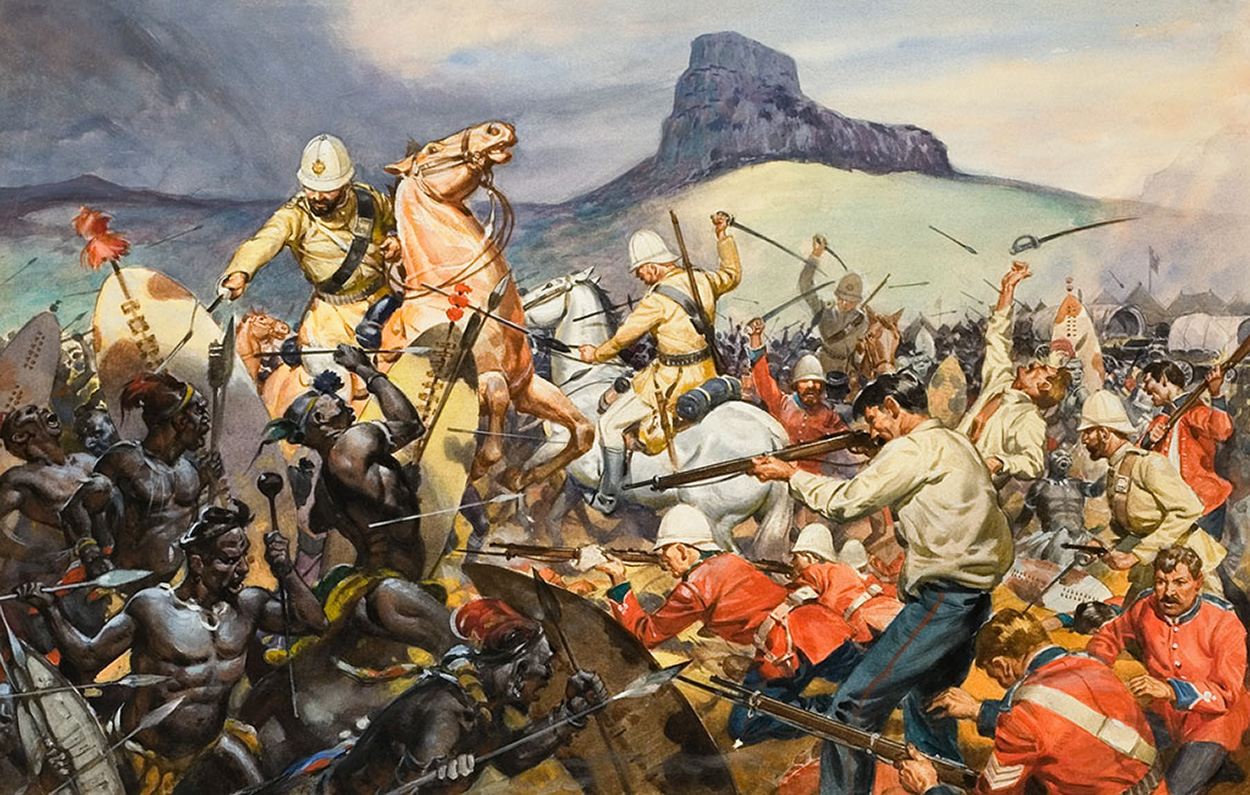
The Battle of Isandlwana (Original) by James E. McConnell
King Cetshwayo refused the British ultimatum.
In December of 1878, officials of the South African province of Natal gave King Cetshwayo an ultimatum after British citizens were killed by Zulu warriors. They ordered him to turn over his men for trial. In his book, John Laband writes that King Cetshwayo told the messenger , “Go back and tell the white man this, and let them hear it well! The Governor of Natal and I are equal. He is Governor of Natal. I am governor here.” Upon receiving Cetshwayo’s word, British forces advanced towards the Zulu Kingdom and initiated attacks.
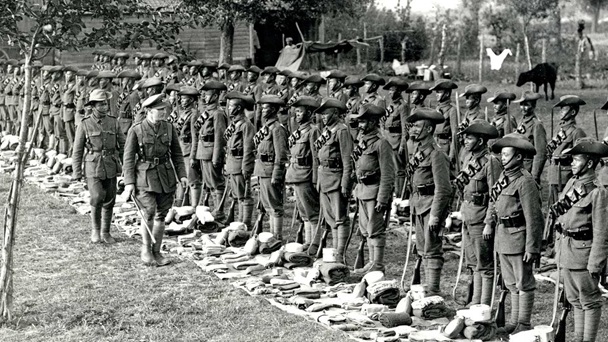
Africans fought on the side of the British.
Laband conveys that 7,000 of the 17,000 British troops in Zululand were, in fact, African. While this may be a disappointment to Africans of the post-colonial era, it is extremely important to note that “African auxiliaries provided essential logistical support for every imperial field force operating in Africa, whether British, French, Portuguese, Italian, German or Belgian.”
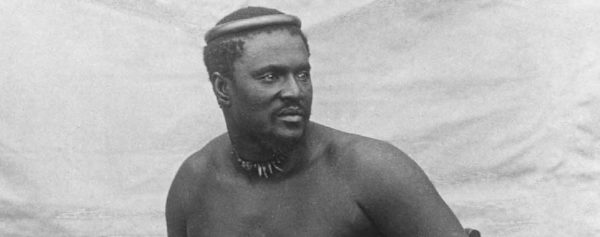
King Cetshwayo was the powerful Zulu ruler at the time.
Cetshwayo kaMpande was the king during the Zulu Kingdom’s last days of independence. When he came to power, after the reign of his father Mpande, the Zulu Kingdom was being threatened by both the British and the Boers. Yet, an article on Britannica.com confirms that King Cetshwayo still managed to be successful. His “strong military leadership and political acumen restored the power and prestige of the Zulu nation, which had declined during the reign of his father.”
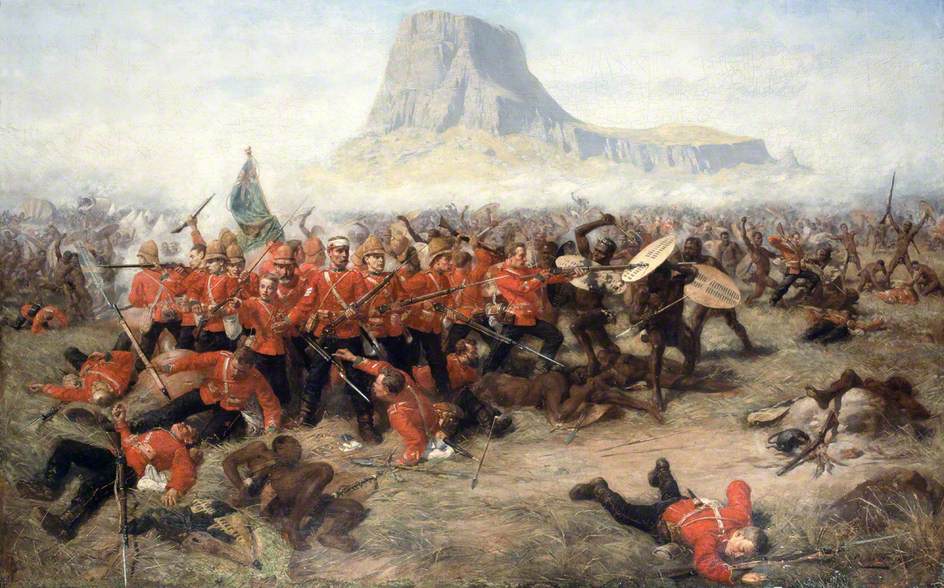
(c) National Army Museum; Supplied by The Public Catalogue Foundation
Over-confidence in the myth of white superiority hurt the British.
More than anything, over-confidence coupled with hatred for their African rivals may have led to the defeat of the British at the Battle of Isandlwana. Dr. Saul David, an author and visiting professor of history at the University of Hull, declares that the battle “was commanded by the ambitious Lord Chelmsford, a favourite of the Queen, who had little respect for the fighting qualities of the Zulu. ‘If I am called upon to conduct operations against them,’ he wrote in July 1878, ‘I shall strive to be in a position to show them how hopelessly inferior they are to us in fighting power, altho’ numerically stronger.’”