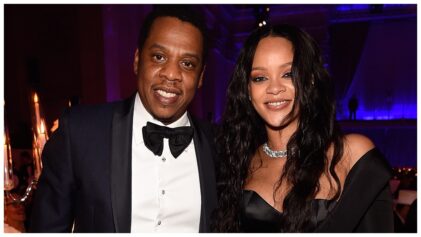
Jay-Z’s Magna Carta Holy Grail been out for about a week now, at least on the app and officially to the public for the last few days. By now we all know the story. During Game 5 of the NBA Finals Jay-Z announced a new album and promised #newrules, and the distribution was unconventional through Samsung smartphones etc.
Now we’ve had a chance to digest Jay-Z’s new album and while fans seem to like it, critical reviews seem far more mixed.
A vast majority of critics seem to misunderstand who Jay-Z is, what he stands for and how he’s always been. Sometimes they seem to not understand hip-hip/rap as a genre.
Now before I go any further, I’d like to point out that the album isn’t perfect. I personally don’t love the production. But the narrative is spot-on and the lyrics are outstanding and envelope-pushing. And while music preferences are subjective, if you’re going to be a critic, at least need you to get your criticisms correct.
Like Chris Richards who titled his critique: “Jay-Z ‘Magna Carta . . . Holy Grail’ review: When fans are reduced to customers.”
As if we weren’t in the music business.
He states on the washingtonpost.com:
““Magna Carta” is packed with his patented American dreaming at its most unimaginative. He name-drops Jean-Michel Basquiat and Francis Bacon as if the only point of art is to own it. He name-drops convicted D.C. gangster Wayne “Silk” Perry on a song named after fashion designer Tom Ford. And in a mysterious courtship ritual with Gen X, he recycles the hooks of R.E.M.’s “Losing My Religion” and Nirvana’s “Smells Like Teen Spirit.””
Statements like that show a misunderstanding of why Jay-Z’s fans root for him in the first place. They root for him because he represents someone who’s made it, the underdog who has become so successful that he’s the favorite.
Yes he’s a “business-man” as Richards points out in his article (referring to Jay’s famous line from the Diamonds remix with Kanye West), but that doesn’t mean that he’s become part of the system, because he’s made his own system.
More importantly Magna Carta Holy Grail is the evolution from another Jay-Z quotable:
“Black excellence, opulence, decadence/Tuxes next to the president.”
Because the drug dealer-turned-rapper is not supposed to be here. Not next to the president. He shouldn’t be close to a billion dollars in net worth. Or be aware of great artists like Picasso or Basquiat, much less own their work. And more importantly, have the clout to rap that he’s the “modern day Pablo” to Picasso’s granddaughter. And this is where the misunderstandings come in.
People love to root for you, but only as far as their imagination can take them and Jay-Z has surpassed that. So when critics claim that he’s not opening up, they’re terribly misguided. Hov has just achieved a level of success, which if you lack imagination or you’re on the same level, you just can’t relate to.
But at 43-years-old, he’s still able to run the genre when we aren’t used to seeing rappers have careers past the age of 30. He is charting new territory and someone had to be the conduit for hip-hop’s evolution.
So Jigga can’t talk like he did on Big Pimpin anymore. So now he’s broaching topics of marriage and fatherhood. Not everyone would like to hear that. They prefer the Scarface narrative. But *spoiler alert,* he dies in the end. And some people love that because that’s far as their minds can go. That was The Reasonable Doubt narrative.
But things have changed quite a bit since 17 years ago. Jay-Z shows us in Magna Carta Holy Grail what it’s like to truly make it against all odds. And that should be celebrated.
And while you by no means have to like it, you should at least understand it.