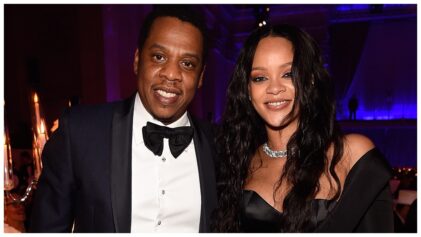
Jay-Z is revisiting one of the most complicated chapters in hip-hop history, offering his perspective on how the friendship between The Notorious B.I.G. and Tupac deteriorated and eventually became part of the larger East Coast-West Coast conflict.
The Brooklyn rapper discussed the relationship between the two rap legends in the early episodes of his new HBO docuseries, JAŸ-Z In 8, in which he sits down with longtime producer Rick Rubin to reflect on his career, music, and the people who influenced him. The conversation eventually turned to The Notorious B.I.G. and Tupac, whose relationship and the tensions surrounding them became intertwined with the growing East Coast-West Coast rap rivalry of the 1990s.
Jay-Z said one of the early problems developed as Tupac’s profile continued to rise. According to Jay-Z’s, Biggie became uneasy about some of the people surrounding the West Coast rapper and tried to warn him.
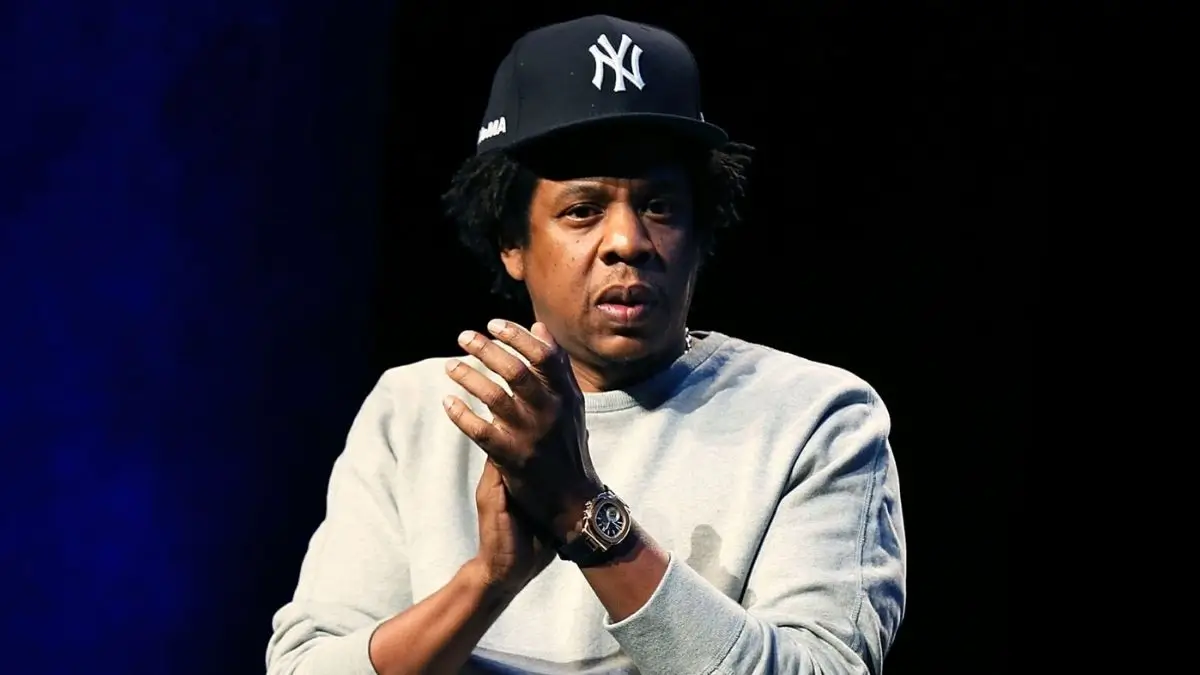
“Big tells Tupac, ‘Yo, yo, watch those guys. I know those guys. They’re not good guys,'” Jay-Z recalled.
Jay-Z said Tupac subsequently repeated Biggie’s warning to the same people, which created another problem for Biggie back in New York.
The rapper connected that memory to an encounter he witnessed with Biggie and his longtime friend Tyran “Ty Ty” Smith. Jay-Z recalled arriving at a club with Smith and seeing Biggie decide not to enter because someone he had an issue with was inside.
“Now it makes sense to me why he didn’t go in, because he had problems with these guys who were really serious guys in the city,” Jay-Z said.
Tensions between Biggie and Tupac escalated dramatically after gunmen ambushed, robbed, and shot Tupac multiple times at Manhattan’s Quad Recording Studios on Nov. 30, 1994. The attack left Tupac hospitalized, but no one was charged in connection with the shooting, as reported by The Grio.
Years later, convicted murderer Dexter Isaac confessed to participating in the robbery, alleging that music executive James “Jimmy Henchman” Rosemond hired him. Although Rosemond vehemently denied the accusation, Isaac’s account failed to clarify who fired the gunshots that struck Tupac.
Biggie and Sean “Puffy” Combs, who were recording at the studio around the time of the attack, steadfastly denied any involvement in the ambush.
Jay-Z offered his own interpretation of what happened between the former friends after the shooting. He said he believed Tupac knew Biggie had attempted to warn him about certain people but ultimately became angry with Biggie instead.
“I don’t know what was going on with Tupac at the time. I don’t know if it was embarrassment or what he felt,” Jay-Z said. “He knew that Biggie told him and warned about these guys. He knew it was these guys, and he blamed Biggie.”
Jay-Z said Biggie largely refrained from immediately turning the dispute into a musical battle, although the release of “Who Shot Ya?” became another major source of tension. Biggie maintained that the song had been recorded before Tupac was shot at Quad Studios and was not about the attack. Tupac, however, interpreted the song as a taunt connected to the shooting, further escalating the rift between the two rappers.
Jay-Z said Tupac appeared to view the shooting through the lens of Biggie’s standing in New York.
“So instead of saying, ‘This guy warned me about these guys,’ he turned it into a thing like, ‘This supposed to be your city. How this could happen to me in your city?'” Jay-Z said.
The idea that Biggie could control what happened on New York’s streets was something Jay-Z rejected.
“No one controls New York City,” Jay-Z said. “There’s too many bad guys. Everybody’s tough.”
He added, “There’s no way Biggie can control these guys that he talking about.”
As tensions continued, the disagreement between two artists became attached to a much broader conflict involving rival hip-hop scenes, record labels, and artists on opposite coasts. Jay-Z believes media coverage helped push the situation beyond the people who were actually involved.
“It took on a life of its own, and then magazines started picking it up,” he said. “It became this thing where everybody was involved. People who had nothing to do with it became involved.”
Jay-Z also recalled being careful about his own involvement in the growing coastal tension. During the making of “Brooklyn’s Finest,” his collaboration with Biggie, Jay-Z said he removed a reference to California from Biggie’s verse because he did not want the song to contribute to the increasingly hostile East Coast-West Coast atmosphere.
The rivalry eventually became inseparable from the deaths of both rappers. Tupac was killed in Las Vegas in September 1996, while Biggie was fatally shot in Los Angeles six months later, in March 1997. Nearly three decades later, a Las Vegas jury convicted Duane “Keffe D” Davis of first-degree murder in Tupac’s killing, while Biggie’s murder remains unsolved.
Jay-Z’s recollections do not settle the disputed circumstances surrounding the shooting of Tupac or the events that followed. Instead, they provide the perspective of someone who knew Biggie personally and witnessed the relationship between two of hip-hop’s biggest stars change over time.
Nearly three decades later, the story remains one of the most closely examined periods in rap history. What began with tensions between two artists eventually grew into a much larger cultural conflict, drawing in people far beyond Biggie and Tupac themselves.