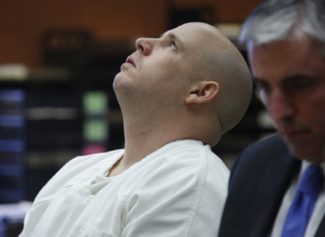
Brian Banks was overcome with emotion.
Ten years after he was falsely accused — and five years after his release from prison for rape — a former USC football recruit was cleared of all charges by a judge after the alleged victim in the case came forward to recant her story.
Now 26, Brian Banks had his college career and aspirations of an NFL career imploded when classmate Wanetta Gibsion claimed that Banks forced her into an elevator at their high school in California and raped her.
Gibson was awarded $1.5 million when she sued that the school district was liable for not providing adequate protection.
Ironically enough, it was Gibson’s act that helped Banks get his name cleared. She contacted Banks on Facebook, and the two met. Banks said he knew that if he was overly emotional he could hurt his cause. So he said he remained calm.
“I stopped what I was doing and got down on my knees and prayed to God to help me play my cards right,” he said.
He did.
In that meeting with him, she said she had lied; there had been no kidnap and no rape and she offered to help him clear his record, court records state. But she refused to repeat the story to prosecutors because she feared she would have to return a $1.5 million payment from a civil suit brought by her mother against Long Beach schools.
During a second meeting that was secretly videotaped, she told Banks, “‘I will go through with helping you but it’s like at the same time all that money they gave us, I mean gave me, I don’t want to have to pay it back,” according to a defense investigator who was at the meeting.
It was uncertain Thursday whether Gibson will have to return the money.
Prosecutors also said they didn’t immediately know if she might be prosecuted for making the false accusation when she was 15.
Banks, once a star middle linebacker at Long Beach Polytechnic High School, said he had verbally agreed to attend USC on a four-year scholarship when he was arrested. He pled guilty on the charges to avoid a potential life sentence.
Banks said he still hopes to play professional football and has been working out regularly.
“It’s been a struggle. But I’m unbroken and I’m still here today,” the tall, muscular Banks said, tears flowing down his face.
He recalled being shocked and speechless on the day Gibson reached out to him after he had been released from prison, having served five years and two months.
“I thought maybe it wasn’t real,” he said. “How could she be contacting me?”
How she avoids a lawsuit and jail time are among next questions to be answered.