Rapper T.I.–An Unexpected Portrait of a Great Dad
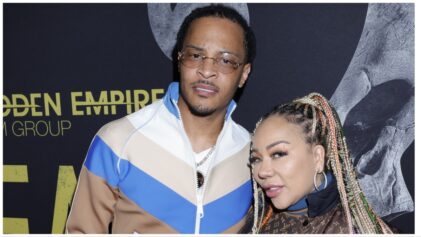
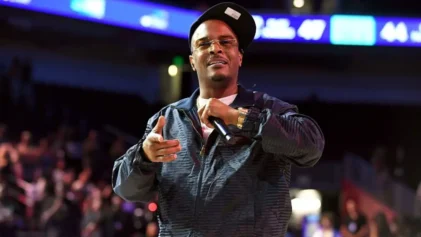
Okay, I’m willing to acknowledge that up until this point, reality TV hasn’t exactly shown mankind and womankind at our best. In most cases, it’s quite the opposite: most shows seem to specialize in the train wreck version of interpersonal relationships. But recently I stumbled upon an exception to the rule: T.I. and Tiny: The Family Hustle. This new show focuses on the Atlanta rapper’s efforts to get his life back on track after being released from prison. It’s probably safe to say that when a show’s premiere episode centers around the logistics of a guy being picked up from prison after a year-long bid, we shouldn’t hold out much hope that we are about to be presented with an hour of uplifting, enlightening, hopeful television. But that’s exactly what happened.
I’m not ashamed to say it: I love this guy.
I’ve always been a fan of T.I.’s music. Though my rap fandom has decidedly dwindled over the years, I always felt that T.I. (nee Clifford Harris, Jr.) had been gifted with the magic juice that enabled him to crank out joyous, anthemic monster hits, seemingly at will. But when you moved beyond his music, to my outsider eyes it looked as if everything else in T.I.’s life was a mess. He was a former drug dealer with a whole bunch of kids and baby mamas and he had been in and out of prison so often for guns and drugs and assault and other stuff that I figured they probably had his monogrammed prison jumpsuit hanging in a locker somewhere, awaiting his next stint. In other words, the man seemed to be an almost comical stereotype of the successful rapper desperate to hold on to his gangster lifestyle and his street cred.
Then I watched his show. I was stunned by what I saw. Mr. Harris comes across as sensible, smart, centered, unselfish. And, most inspiring of all, a wonderful dad. The guy seems to be totally plugged into the demands and requirements of fatherhood, concerned about the messages his children are absorbing, about the decisions they make, about the environment that surrounds them. He appears to be thinking about them all the time and, as an in-demand performer, often weighing the impact of his career decisions on his kids.
As we’ve observed so many rappers over the years flex and scowl their way to chart-topping success, I’ve always wondered: How does that play in middle age, when you got kids running around your house, looking to daddy for guidance and to be a role model? For the most part, it doesn’t play at all. Most of them move to Hollywood and become actors, firmly ensconced in the mainstream. Not many of them hold on to the music, the rap career, into middle age. What we are seeing in T.I. is one man’s existential tussle with that question at age 30.
At one point during a recent episode, when T.I. was asked by Taylor Swift to perform with her at Atlanta’s Phillips Arena, he was torn. Speaking to the camera, he presented us with his dilemma: when a Taylor Swift calls, do you pay more attention to your street cred or to Hollywood? It’s a good question, one I suppose probably is directly related to T.I. doing dumb stuff like traveling with a cache of weapons, which led to yet more prison time.
On his show, I am heartened by his relationship with his children. At one point when he was supposed to be performing at the BET Awards, he had a rehearsal at the same time as his son’s football game. On his way to the arena for the rehearsal, he called his son and told him he couldn’t make the game. But when he heard the boy’s disappointment oozing through the phone, he told the driver to turn around and go to the game. The huge smile on his son’s face when T.I. appeared at the football field warmed my heart. I think we would all benefit from seeing more of these kinds of snippets of black fatherhood in action.
Of course a big part of being a good dad is staying out of jail. I hope that Mr. Harris can manage to steer clear of law enforcement for a long, long time, because he has many great things to offer his kids–and the world.
By Nick Chiles. Nick Chiles is a Pulitzer Prize-winning journalist and New York Times bestselling author.