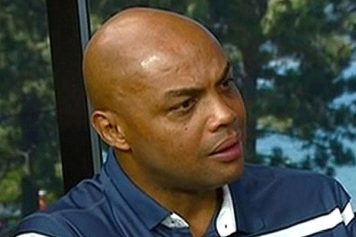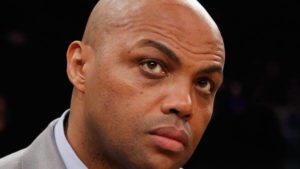
Retired NBA star Charles Barkley will host a new documentary series exploring racial divisions in America. Tentatively called The Race Card, the Auburn University alum will speak to activists and leaders to learn what can be done to solve racism in America. The limited-run series will premiere on TNT in 2017.
Per the press release, the Inside the NBA analyst has had enough of the country that is “becoming mired in partisan politics, social divides and entrenched corporate interests.” His goal is to change the “echo chamber mentality” that finds Americans reinforcing their outdated beliefs on race. In speaking to cultural leaders and tastemakers of today, Barkley will take their views and put them into action in order to discover what people believe about race and why. He’ll reach his own conclusions “guided only by his own wits and common-sense wisdom.”
“We as Americans never discuss the issue of race in this country and how it impacts everything in our lives until something bad happens,” Barkley said in a statement. “I see this project as a way to talk about race, class and cultural differences and challenge everyone’s status quo.”
TNT will air six hour-long episodes of the docu-series next year. Barkley will serve as one of the show’s executive producers.
The Race Card‘s host is questionable to many considering the 53-year-old’s stance on race issues.
On Shadow and Act, Miles Ellison wrote Barley’s name does not belong in the same sentence as “wit” and “common sense.”

A user named ano compared the former athlete to The Boondocks character Uncle Ruckus, who disassociates himself from African-Americans.

Barkley has similarly removed himself from the Black community. The NBA Hall of Famer frequently blames Blacks for problems caused by systemic racism. Last year, he told CNN police were “especially” needed in Black areas and when it came to excessive forced used by officers on Black men, he said, “we should understand the stress they’re under because we need to work with them.”
He also blamed Black people for the shooting and killing of Michael Brown by police.
“There is a reason that they racially profile us in the way they do. Sometimes it is wrong, and sometimes it is right,” he said to the news outlet.
When discussing reports of Seattle Seahawk’s footballer Russell Wilson’s lack of blackness, Barkley said there was a “dirty, dark secret in the Black community” about what it means to be “Black enough.”
“For some reason we are brainwashed to think, if you’re not a thug or an idiot, you’re not Black enough,” Barkley remarked in a 2014 radio interview. “If you go to school, make good grades, speak intelligent [sic], and don’t break the law, you’re not a good Black person.”
In reaction to his comments at the time, many dismissed the basketball great’s viewpoint.
Di-Shawnie Small said Barkley had been programmed.
JessicaLucinda Williams chalked up Barkley’s comments on Wilson to his “Bama mindset,” referring to the star’s home state.
Lamarr Small simply called out Barkley as a sellout.