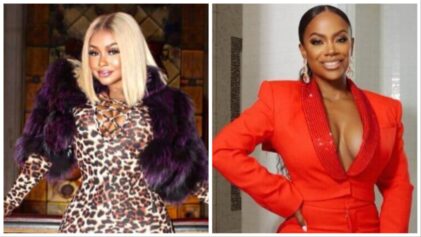
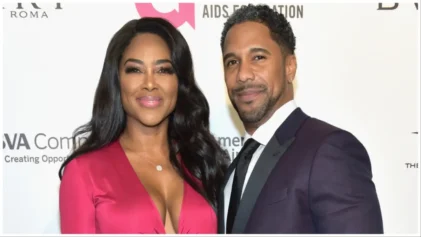
Another day, another debate about women’s assets in the entertainment industry. This time, though, it’s not the men who are taking the cheap shots. ‘The Real Housewives of Atlanta’ cast member Phaedra called out Kenya Moore, saying the former Ms. U.S.A. has a surgically enhanced derriere. More than likely the comment was spurred by Moore ripping off the idea of a booty-targeting workout video from Ms. Parks and her husband Apollo. Since the donkey booty workout video fiasco, the ‘frienemies’ have taken pot shots at each other, both on-screen and off.
In other bootylicious news, Nicki Minaj showed off her assets on Valentine’s day by tweeting very close up shots of her bottom in a neon green thong bikini. In fact, the shots were taken completely from the back and Minaj’s face wasn’t even featured. The only way anyone would know that that booty…and the rest of that body belonged to the rapper was because they were tweeted from her account.
The saying is “if you got it, flaunt it.” However, when lawyers are calling out beauty queens over asset authenticity, and when a female rapper and businesswoman is showing off her backside only in an attempt to ‘flaunt it,’ what message is being sent to women from other women?
Being reduced to body parts is nothing new for women. There have been famous ad campaigns that have featured nothing but women’s bodies, sans face. One such example was a 2005 Nike campaign targeting women. The ads featured a women’s legs, shoulders, ‘thunder thighs’ (their words, not mine), butt, and knees. Each ad features a body part along with a poem that is meant to empower women who have insecurities in the highlighted area.
Sadly, the visual aspects of each advertisement in this Nike campaign negated any empowering effects that the poems might have had. The poems described body parts that they (advertisers) believe most people do not think are aesthetically pleasing. The point was that while a woman may hate a certain body part, that body part can be the strongest thing about her. However, the body parts in the pictures are flawless. If the flawless body parts in the Nike campaign are supposed to be hideous, then what does that say about anyone who has cellulite, freckles, moles, etc?
It’s a nice gesture, but a far cry from the infamous ‘Just Do It’ Nike campaign. Capturing women’s body parts as opposed to capturing the essence of the entire woman sends a message that a woman is the sum of her body parts. The idea of the woman as a whole is left by the wayside in this campaign and others like it.
Which brings us back to Nicki Minaj and Phaedra Parks. It’s enough that men, especially in the world of hip-hop, have reduced women down to butt size, breast size, hair length and skin tone. However, women joining into help them do so is not only irresponsible, but it helps reinforce stereotypes of women…by other women.