Former Kentucky Gov. Matt Bevin sent his adopted Black son to a controversial youth facility in Jamaica when he was 17. Jonah Bevin, now 19, testified at a hearing in July that brutal abuse started just days after he arrived.
The ex-governor adopted Jonah and three other children from Ethiopia in 2012. He has eight siblings total. But starting at age 13, his parents started sending him to multiple out-of-state facilities. He claims they “abandoned” him when they shipped him off to Jamaica.
Advocates who rescued the children from the now-shuttered Atlantis Leadership Academy on Treasure Beach say the punishments, including regular beatings and waterboarding, amounted to torture.
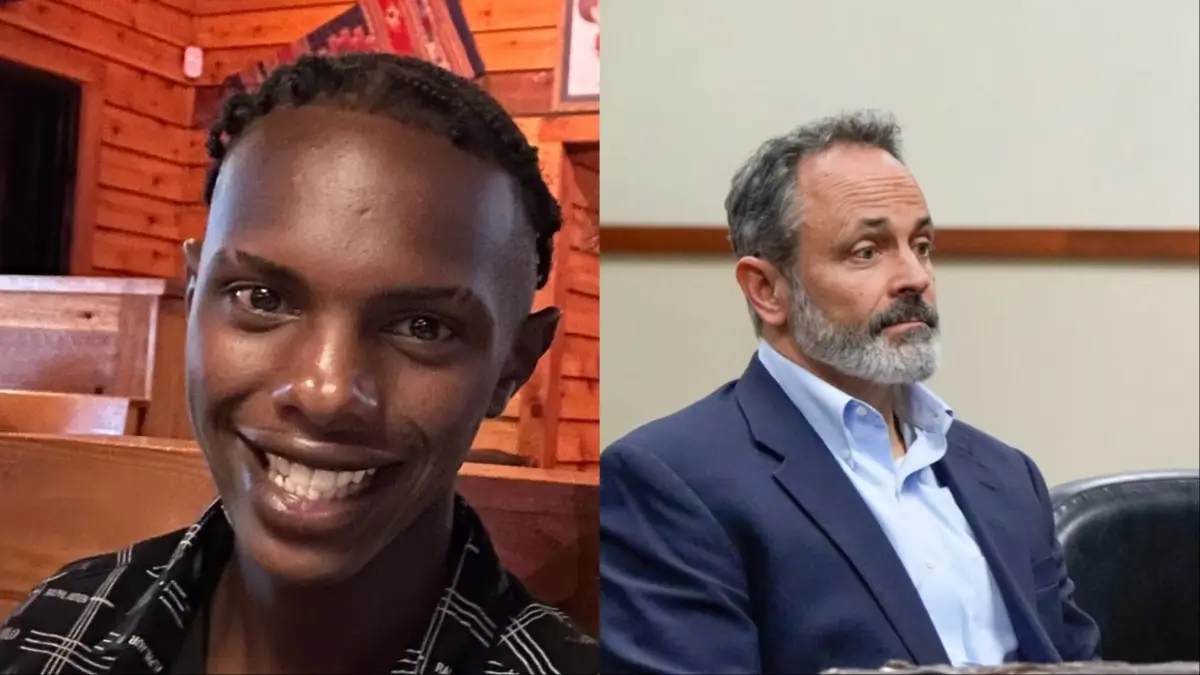
After Bevin and his then-wife Glenna filed for divorce, Jonah decided to intervene on his own behalf. He filed a legal action in March 2025 seeking financial support and an emergency protective order against his father.
Though Jonah said he had hoped to face his estranged dad before a judge, court records obtained by local news outlets show a pattern of missed deadlines and delays. In March 2026, a judge held the former governor in contempt of court for failing to provide all requested financial disclosures.
After multiple unsuccessful appeals and several missed court dates — including the trial itself in late July — a judge sentenced Matt Bevin to 60 days in jail for a civil contempt charge. Authorities eventually caught up to the former governor and arrested him on Sept. 3 while he was filming a Christmas movie in Paris, Kentucky.
But after serving less than two weeks in a Louisville Metro Corrections facility, he was released on Sept. 16 following an appeal.
Despite the roadblocks, Jonah’s quest for justice and child support continues. Jefferson Family Court Judge Angela Johnson has not yet ruled following the July 28 trial. Although his adoptive father is now out of jail, an appeals court stayed the rest of his sentence. The Courier Journal reports that the court has not yet set the next court date.
In the meantime, Jonah is living in Utah, according to his attorney, Melina Hettiaratchi, and is struggling to find employment and stable housing.
At the trial, Dawn Post, a witness and child advocate who helped free six other youths from the Jamaican facility, said the Bevins were the only family who didn’t “attempt to contact or act on behalf” of their son, according to the Kentucky Lantern. She added that Jonah never received the necessary parental permission to leave the facility and was placed in the Jamaican child welfare system until he was returned to the U.S. with the help of the U.S. embassy.
Jonah broke down in tears when he took the stand to detail the abuse. He saw Glenna but noticed one glaring absence: “Why isn’t Matt here?”


