
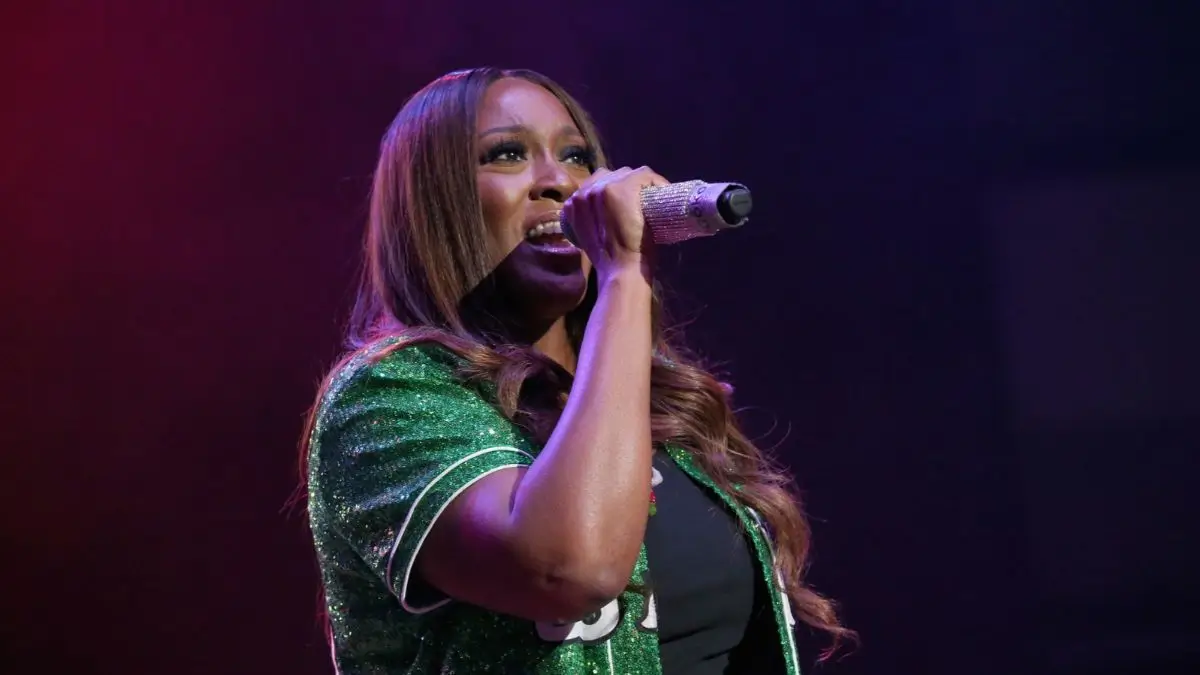
In 2017, SWV’s Coko Clemons received a diagnosis that would change her life.
However, one incident pushed her to seek testing and revealed something unexpected.
During a Nov. 22 appearance on Kandi Burruss’ “Speak On It”, the singer revealed that an intense emotional outburst over a pen prompted her to seek help for her mental health.
“2017 is when I was diagnosed. What made me go, like, get tested was, like, I really wanted to just like hurt somebody really bad. And it was over something so slight; it was like over a pen, if I’m not mistaken,” she explained.
She later learned that she had bipolar disorder, but didn’t realize how it tied to other parts of her life.
“But the outburst didn’t make sense to me. After I sat and thought about it, I’m like, that really didn’t make sense to me. Something is not right,” Clemons shared.
After reflecting on her reaction, she decided to seek therapy.
Her therapist recommended testing and asked her a series of intense questions. During the process, she also learned that many creatives and artists struggle with bipolar disorder.
However, the “Weak” singer wanted to understand what the diagnosis would mean for her own life.
“I was like, wow, so what does this mean? And, so, they put me on medication, and I didn’t like the medication because it made me feel a way,” Clemons shared.
She said the “medication just calmed me down, and I was like, who is this lady? I really had to, like, learn who I was; I almost didn’t know myself.”
The singer said therapy helped her become more self-aware and develop healthy coping mechanisms, changing how she responds to difficult situations.
“I ain’t going to lie to you, I don’t take that medicine anymore,” Clemons laughed. “I took it for years, but I was like, I don’t want to do this. So, what I do now is, I take the tools that I learned in therapy, and I apply them, and I don’t have outbursts like I used to, you know? I try to really think before I act.
She added, “I try to really think before I act. So, if I feel like I can’t get myself together, I’ll just go off to myself because I don’t want to be that person that I was.”
Beyond her personal journey, she is passionate about raising awareness about bipolar disorder and challenging the stigma surrounding mental health.
“It’s like this stigma behind, oh, she’s bipolar. And I hate when people joke with other people like, oh, she’s bipolar. You don’t even really know what bipolarism is. So, don’t play like that around me,” she expressed.
Clemons hopes that sharing her story will help others who may not want to speak about their diagnoses or “don’t want to take the medications because they feel crazy.”
Conversations like these are especially important as Black women continue to navigate mental health stigma and barriers to receiving proper care.
According to the National Institute of Mental Health, an estimated 2.8% of U.S. adults experience bipolar disorder each year. Research has also highlighted racial disparities in mental health diagnoses and treatment, making awareness and access to appropriate care especially important.
For Coko, receiving a diagnosis brought clarity and helped her better understand herself.
Now, she hopes sharing her experience encourages others to seek help without feeling ashamed of their diagnosis.
“I didn’t feel crazy. I just wanted the help.”


