Federal regulators who oversee employment discrimination claims sued a Wisconsin car dealership last month, alleging its managers retaliated against multiple Black employees for reporting racial harassment and unlawfully fired one of them.
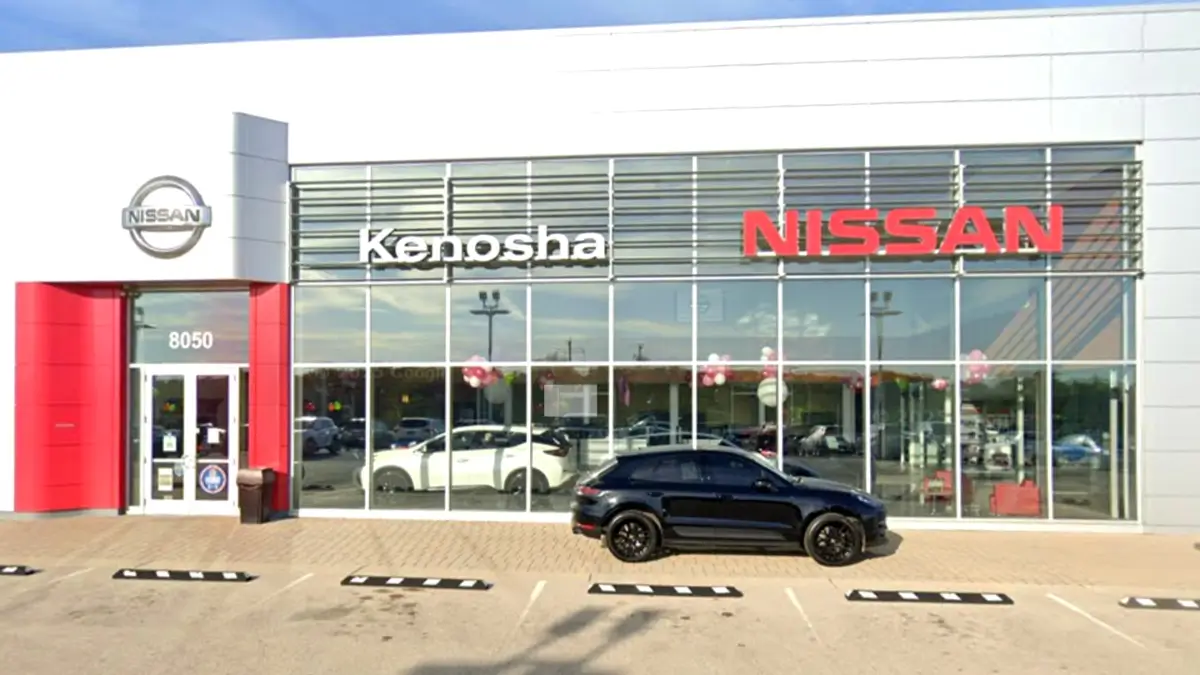
In its lawsuit against Rohr-Kenosha Motors Inc., filed Aug. 18 in U.S. District Court in Wisconsin, the U.S. Equal Employment Opportunity Commission states that between January and April 2024, several Black employees reported racial discrimination and retaliation to human resources at Kenosha Nissan, a franchisee of the Illinois-based Rohrman Automotive Group.
According to the complaint, obtained by Atlanta Black Star, the workers allege that in early 2024, a white sales manager compared one Black employee to an animal and assaulted him. The same sales manager called Black employees “slow” and “lazy” and made them work in the back of the office, among other incidents.
Retaliation Comes Quickly
Between February and April 2024, the lawsuit says, the General Manager of the dealership openly told the employees who had complained to HR that he planned to retaliate against them, warning that if they went to Human Resources again, he “would make your life a living hell.”
On another occasion, the GM was heard yelling that he was “going back to being Diablo” (the devil), that he was “watching all of your a—s,” and that whoever went to Human Resources was “done,” the Black employees claim.
Within days of making those threats, the lawsuit says, the General Manager announced workplace changes, including changing work schedules and more closely regulating who could use workspaces and when.
He began writing up some employees for minor or fabricated infractions, specifically targeting employees who had complained about the sales manager. One employee who had never been disciplined before was written up three times in six days after complaining to HR, the complaint alleges.
A sales manager began referring to another employee who made complaints as “Ms. HR,” the lawsuit says, harassment that was followed up by the General Manager issuing her disciplinary write-ups.
‘Shut Up’ and ‘Deal with It’
The EEOC says the intensifying disciplinary actions and the Kenosha Nissan workplace environment became so intolerable for those Black employees (referred to in the complaint as “Aggrieved Individuals”) who had engaged in the legally protected activity of reporting racial discrimination that they reasonably believed they would be terminated.
As a result, several of them resigned, which the Commission deems constructive discharge.
The lawsuit singles out one Black employee, identified as Aggrieved Individual No. 1, who allegedly spoke with the General Manager to object to some of the harassment and was told to “shut up” and “deal with it.”
On April 15, 2024, that employee, who the lawsuit says up to that point had met employment expectations and had recently been promoted from a salesperson to manager, got into an argument at work with the white sales manager.
Kenosha Nissan initially fired both the sales manager and Aggrieved Individual No. 1 after the argument, but the white sales manager was rehired the next day, while the Black manager was not. The lawsuit says the disparate treatment of the two employees was due to race.
The agency alleges the dealership’s employment practices deprived the Black employees of equal employment opportunities and otherwise adversely affected their job status due to racial discrimination and retaliation, in violation of federal civil rights law.
Because the unlawful conduct of Kenosha Nissan’s management was “intentional and carried out with malice or with reckless indifference” to the federally protected rights of the employees, the EEOC is seeking compensatory and punitive damages from the automotive group.
The Fight for Accountability
The lawsuit seeks a jury trial to determine how much Kenosha Nissan should pay to make the Black employees whole, including providing back pay, front pay, and other relief to cover past and future monetary losses resulting from the dealership’s unlawful employment practices. The plaintiffs also seek compensation for emotional pain and suffering, inconvenience and mental anguish.
The Commission further asks the court for permanent injunctions barring race discrimination and retaliation and an order requiring the dealership to put in place and carry out policies, practices and programs providing equal employment opportunities regardless of race and which eradicate the effects of its unlawful employment practices.
“Retaliation against employees who report or oppose unlawful discrimination violates federal law and can discourage others from coming forward,” said Catherine Eschbach, acting EEOC general counsel, in a statement announcing the lawsuit. “Employees must be able to exercise their rights under Title VII without fear of punishment for doing so.”
Kenosha Nissan did not immediately respond to a request for comment from Atlanta Black Star. The defendant company has 30 days after being served with the complaint to file a response in federal court.
The EEOC’s filing of this race discrimination suit is notable given the shifting priorities at the agency under Chair Andrea Lucas, appointed by President Donald Trump. Lucas has signaled that the commission’s new core focus includes rooting out sex-based discrimination, protecting religious liberty, and eliminating corporate DEI practices deemed illegal by the agency.
In each fiscal year between 2022 and 2024, the EEOC filed more than a dozen lawsuits alleging race or national origin discrimination under Title VII. In fiscal year 2025, however, the agency filed just three such suits—two of which alleged “reverse” race discrimination.


