Former NFL running back turned sports analyst LeSean McCoy goes by the nickname “Shady.”
He lived up to the moniker, while discussing ex-ESPN NFL analyst Ryan Clark’s emotional reaction to his firing by the company last week.
During the most recent episode of sports show “Speakeasy,” McCoy questioned the sincerity of Clark crying about his ESPN departure on “The Pivot Podcast.”
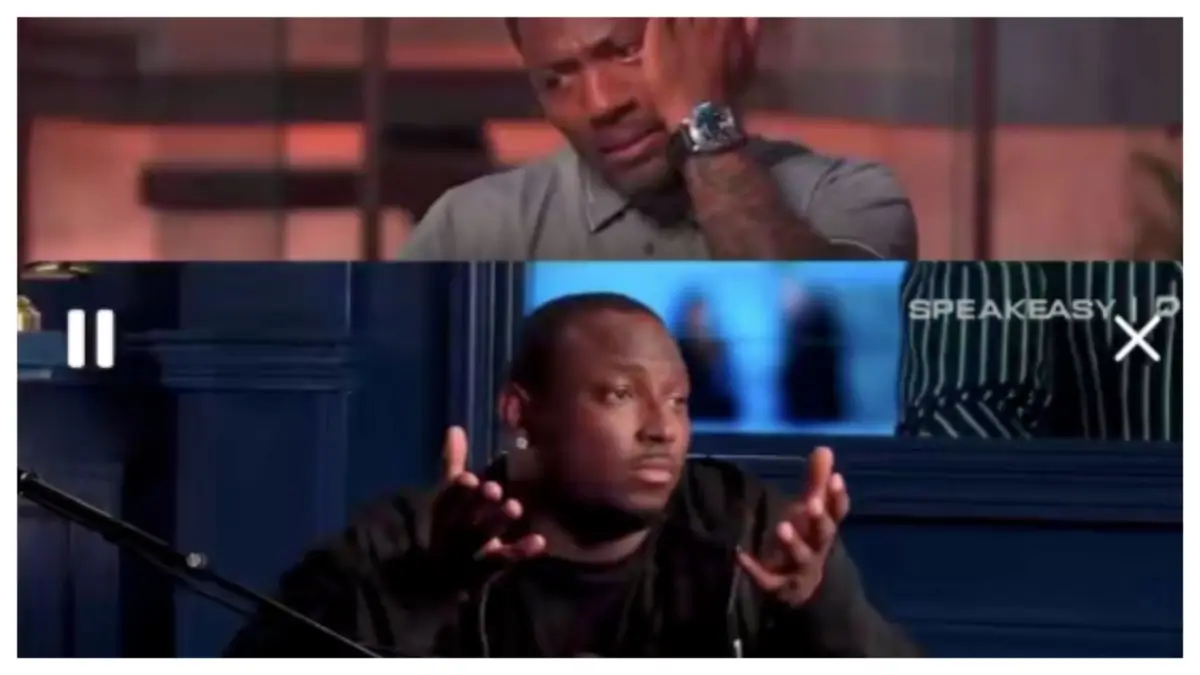
“A lot of dudes do stuff for attention,” McCoy said. “It’s a lot of them that do this, and I truly think that he’s one of them.
“So, my thing is, I just don’t know how real this is. He might have real feelings. I don’t know, but I’ve watched him over the years. He’s such a social media dude.”
While Clark was not the only ESPN veteran among those laid off last week, his dominated the spotlight because of the circumstances surrounding the public finding out the news.
Reports of Clark’s firing leaked in reports a day before most of his former colleagues found out about the layoffs. Making it even more awkward, Clark was informed in the middle of his daily appearance on ESPN’s “NFL Live” and pulled off the air before the episode concluded.
In his first extended comments on the layoffs, a tearful Clark expressed that he tried to tone down his Blackness in recent years in order to try and keep ESPN executives at bay. The former defensive back was reportedly making a salary of around $2 million per year at ESPN.
“I knew I couldn’t have any beef,” Clark said. “I knew I couldn’t respond to disrespect. I knew, for a lack of a better word, I couldn’t be too Black.
“What makes me sad is, in even trying to adjust to be more of what certain people wanted, they still fired me.”
“You know, I feel like there’s a group of people, a faction of individuals who wanted to devalue my voice, who wanted to take away my platform,” Clark added. “I feel like I let them win.
“But then there’s the other side of it. My platform isn’t as big anyway, or it’s not as impactful anyway, if I don’t do those things. If I’m not that person, if I’m not authentically me, right?
“And it’s not even something I can prove, that if I was different, they wouldn’t have fired me. I can’t prove that.”
Clark spent over a decade at ESPN after playing 13 seasons in the NFL.
McCoy played 12 NFL seasons, and previously appeared on multiple sports TV shows at FS1 before they were canceled by the network last summer.
“This is part of it. … I don’t feel bad,” McCoy said. “None of that. Like, we all been fired. My thing with Ryan is I just don’t know if it’s real or not because I’ve seen him all in action. That’s what he does. That’s what they do.
“Anything happens, ‘I’m gonna speak about it because I just want to be looked at. I want to be accepted.’”
Shady indeed.


