A wealthy Black real estate investor, known for sharing personalized property tour videos on TikTok, recently became the target of racial profiling when one of his white neighbors confronted him over his presence outside his own house.
Taylor Walker, who says he has amassed more than $30 million in assets and capital since 2018, shared footage of the tense encounter, showing a white man pulling up in a car next to his while recording him, then questioning him in front of one of his own properties that was currently under construction.
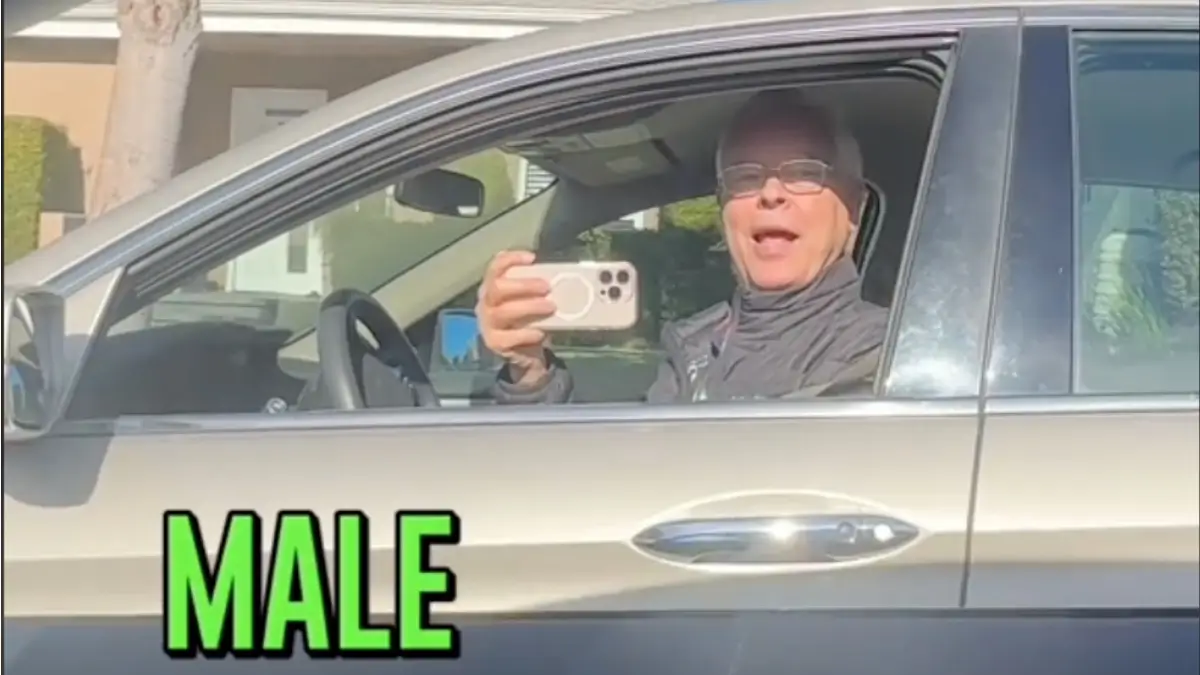
“I was sitting in front of one of my projects, reflecting on the progress I’ve made, when a neighbor walked up and questioned why I was in ‘his’ neighborhood,” Walker wrote in a caption posted along with the harrowing video. “The irony? I grew up in this very same neighborhood. Now, I own four properties here, including the construction site of MY HOUSE right behind me. But all he saw was color.”
The video starts out showing the provocateur, a graying man seemingly in his 60s, passing by in his car and smugly telling Walker, “You really shouldn’t be here, what are you doing?”
Walker, who was minding his own business, immediately asked the man why he shouldn’t be there. Meanwhile, the man began filming the episode with his own phone, claiming his vigilance was because strange vehicles like Walker’s had been seen “casing” the neighborhood.
At this point, Walker informed the man that he owned four houses in the subdivision, but instead of taking him at his word, the man continued putting Walker on the spot with more questions. “Which ones?” he asked authoritatively.
After a moment, Walker flat-out accused the man of “covert racism,” then confronted him to his face for his bigotry. The man went silent as Walker began nudging his car forward to get the man’s license plate number to document the incident in case he needed to get the police involved.
The man then circled the block and came back, according to Walker’s video. “Look at him. He has no shame,” Walker said as he zoomed in on the man’s mug.
Back on TikTok, Walker added, “This ignorance still happens far too often. That’s why I’m launching ‘Building While Black’—a series where I’ll share these encounters to expose the reality and push for change.”


