The recent “microwave mistake” that may have led to the death of a 67-year-old woman should serve as a cautionary tale.
Just about any oven or appliance that cooks food can catch fire, but when a microwave crackles or smokes, it brings new levels of fear — but not all sparks lead to such extreme tragedy.
On May 23, police arrived at the house that victim Thommie Ruth Jackson shared with her sister on Kolb Road in Sumter County, South Carolina. They found “smoke billowing from the home and someone outside screaming for help,” according to a news release issued by the sheriff’s office.
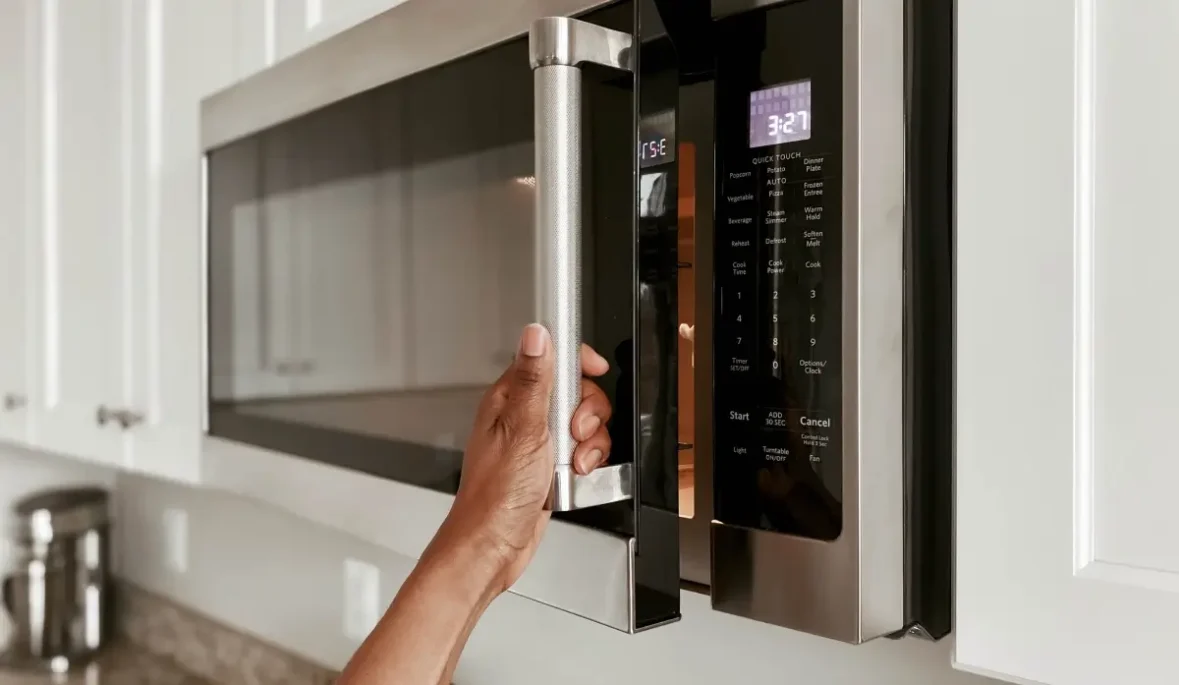
A witness told police that a resident wanted to warm up a sandwich in the microwave, and the packaging contained foil. The sandwich wrapper reportedly burst into flames, and attempts to extinguish the fire failed.
When first responders learned someone was still in the house, they forced the door open, but thick smoke made it impossible to enter. Jackson’s sister, who had already escaped, directed a deputy to a window near where she thought Jackson would be, but they were too late.
After medical service personnel administered treatment at the scene, the senior was rushed by ambulance to a nearby hospital, where she died later that night. Her official cause of death is pending an autopsy, but the fire department determined the fire was accidental and pinpointed the source of the inferno.
“The cause of the fire was related to placing an aluminum foil wrapper inside the microwave and poor living conditions that hindered the extinguishing of the fire and facilitating its spread,” stated the release.
Jackson, a retired paralegal, held a master’s degree in Organ and Music from the University of Mississippi and was an organist and choir director for over 30 years at a Presbyterian Church in Manning, according to her obituary.
Contrary to popular belief, microwaves are among the safest cooking appliances, but cooking with foil runs the risk of sparking. The sparks themselves are not dangerous on their own, but they can lead to a fire under the right conditions.
Waves of energy in a microwave will cause charges to flow through metal. Very thin pieces of metal like aluminum foil are overwhelmed by these currents, causing them to heat up so quickly that they can ignite. Particularly risky are metal objects with sharp edges as well as crinkled or balled foil. These almost always cause sparks, and if the sparks hit something else in the microwave, like a paper towel, for instance, you’ll likely be reaching for a fire extinguisher.
Microwave sparks are a plasma, the fourth state of matter, that’s much rarer on Earth than gas, liquids, or solids, Trent University physics professor Aaron Slepkov told The New York Times, adding that if you look at the top of the oven cavity after the first sparks, you might see plasma dancing around while cooking.
When a microwave smokes or catches fire in the oven cavity, the U.S. Fire Administration recommends immediately turning off and unplugging the appliance and keeping the door shut until the flames die out on their own. Most modern microwaves (UL-certified) are designed to contain small fires.