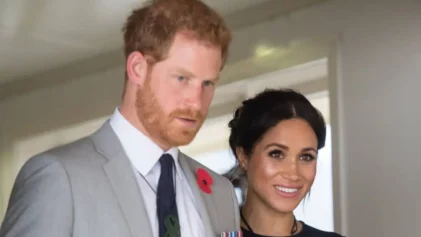
Meghan Markle can add a new moniker to her biography after being warmly embraced as a distinguished noble in Nigeria.
She and her husband, Prince Harry, received royal treatment during their three-day trip to the West African nation in support of their charitable efforts and the Invictus Games, an adaptive sporting competition for wounded soldiers.
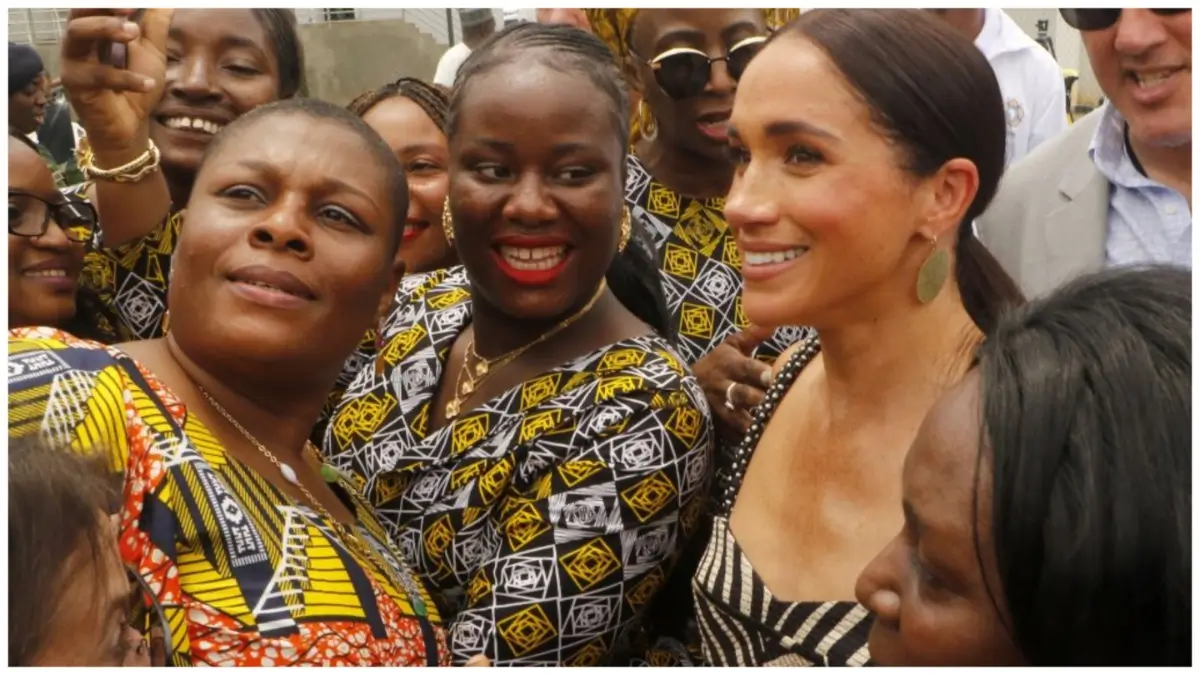
While in Lagos, she was christened with a handwoven Yoruba Ada Mazi drape and royal beads and bestowed the honor of being named Adetokunbo, which is said to mean “the crown or royalty from across the seas.”
And it really is a coming home of sorts, as Markle revealed on her “Archetypes” podcast in 2022 that she is 43 percent Nigerian. While on the international trip, she told attendees at the Women in Leadership event, “When I had done the genealogy and found out about my heritage, the first thing I did obviously is call my mom because I wanted to know if she had any awareness of it.”
Markle is biracial and was raised by her Black mother, Doria Ragland, in Los Angeles. The former “Suits” actress has previously shared that she did not understand what it was like to be treated as a Black woman until marrying into the Royal Family in 2018.
@arochukwu.network #CapCut ♬ original sound – Arochukwu Network
“I think being African-American, part of it is really not knowing so much about your lineage, your background, where you come from specifically, and it was exciting for both of us to discover more and understand what that really means. Never in a million years will I understand it as much as I do now,” said the Duchess of Sussex.
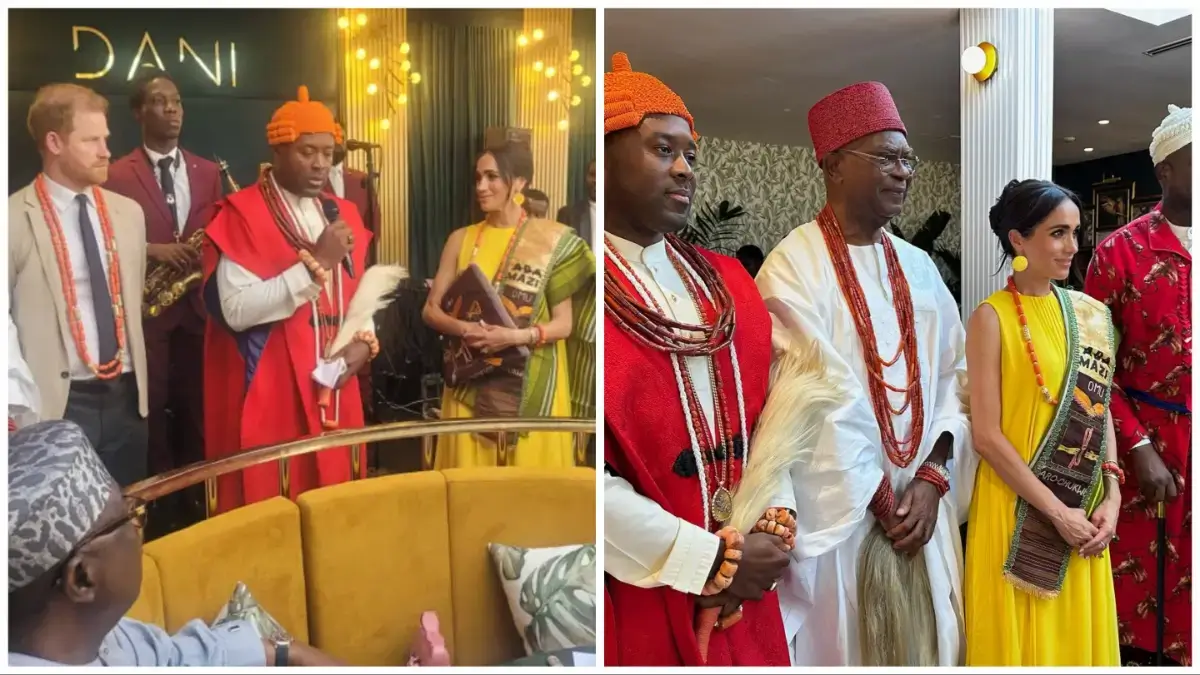
Now dubbed the “Princess of Arochukwu Ancient Kingdom,” she said that while in her newfound home country, she had been met with adulation.
She explained, “What they define as a Nigerian woman is brave, resilient, courageous, powerful, beautiful. And every single moment that I hear anyone so far talk about what it means to be a Nigerian woman, it is that most flattering thing to be in that company, to be in your company.”
Celebrating the Nigerian woman in every woman.💚🇳🇬
— Tour Nigeria (@tournigeriang) May 13, 2024
“Every single moment that I hear anyone talk about what it means to be a Nigerian woman, it is the most flattering thing to be in that company.” – #Meghan Markle, Duchess of Sussex.#TourNigeria #NigerianFlavours #Nigeria pic.twitter.com/EmHkynj3uO
A tweet reaction to Markle candidly embracing her genealogy read, “Meghan Markle’s Nigerian heritage is something to be proud of! Representation matters and this is a great example of the diversity that exists within the royal family.” To which someone responded, “Which royal family. The one that kicked them both out.”
As well documented by the media, Markle and Harry’s 2020 decision to step away from their royal duties was met with contention from the institution and members of the British Monarch.
In the couple’s Netflix series, “Meghan & Harry,” they expressed growing concern for her safety amid a barrage of racist harassment from the British press, the public, and paparazzi, as well as her being ostracized for her ethnicity by other royals. Following the birth of their first child, a son named Archie, they fled to Canada before settling in California, where they welcomed their daughter Lilibet.
Another reaction to the Nigerian honor read, “A tear falls, my heart swells, she’s home.” While a third X user wrote, “This has caused a lot of uproar in the British media for the past few days now!! The hate is overwhelming and unbelievable Thank you Nigeria.”
Earlier this year, Harry revealed that he has considered becoming a U.S. citizen, however, in doing so, he would likely have to renounce his royal title as the Duke of Sussex.