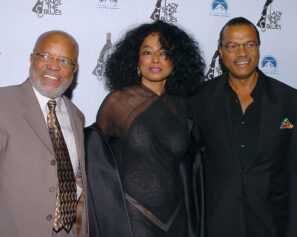
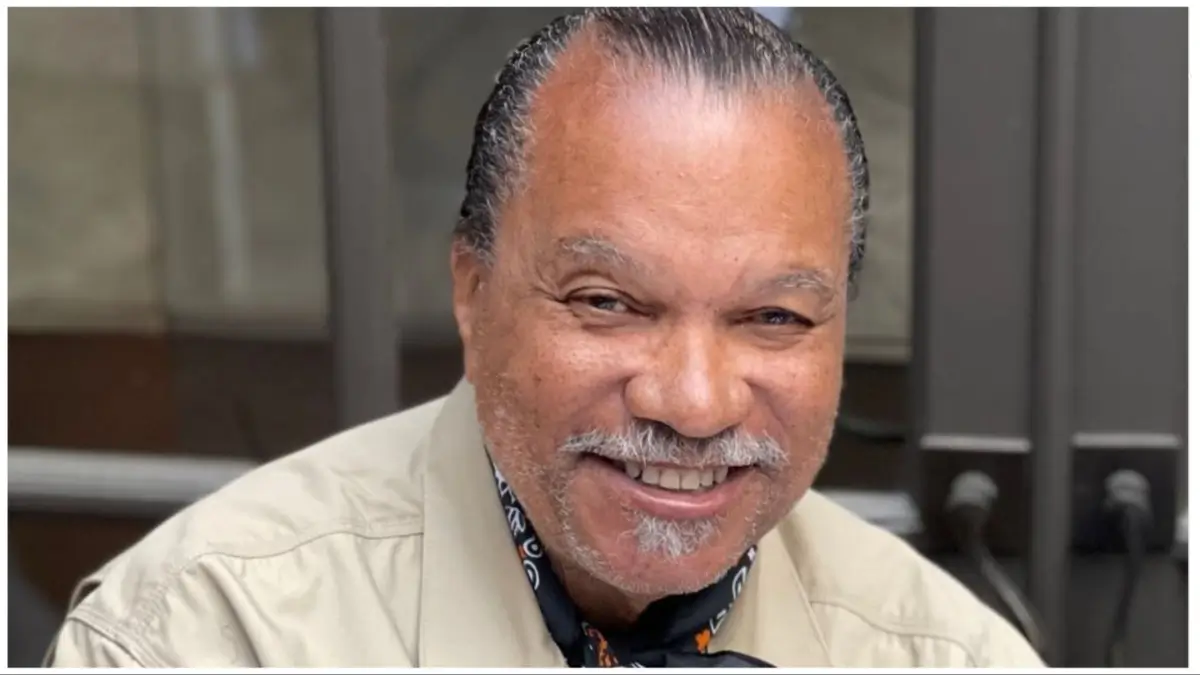
Actor Billy Dee Williams shocked his fans while giving his opinion about actors wearing blackface, which is viewed as unacceptable in today’s climate and considered mocking African-Americans.
Williams is best known for his roles in the “Star Wars” films as well as “Lady Sings the Blues.” He joined comedian Bill Maher‘s “Club Random with Bill Maher” podcast, where they discussed British actor and movie star Laurence Olivier, who wore blackface in the 1965 film “Othello.”
Blackface dates back to the minstrel shows of the mid-19th century where white actors darkened their skin with shoe polish or burnt cork, exaggerated their features and wore tattered clothing to portray Black people.
According to the Smithsonian’s National Museum of African American History and Culture, the first minstrel shows mimicked slaves living on Southern plantations and portrayed them as lazy, ignorant, cowardly or hypersexual.
Maher appeared to be smoking marijuana while 87-year-old Williams sipped on a glass of wine and Colt 45 during the interview. Williams admitted that Olivier was criticized for also “the physical and doing things with his voice,” but when he saw Olivier playing Othello he thought it was funny.
“When he did Othello, I fell out laughing,” recalled Williams. “He stuck his ass out and walked around with his a–, you know, because Black people are supposed to have big asses. … I thought it was hysterical. I loved it. I loved it. I love that kind of stuff.”
After Maher stated that actors couldn’t get away with wearing blackface today, Williams pushed back and said that as actors, performers should be able to play any part they want.
“If you’re an actor, you should do anything you want to do,” he said. “As an actor, whatever you think you can do, you should be able to do it.”
Hollywood Unlocked shared clips of the interview on Instagram, and fans weighed in on Williams’ comments.
“He done got old & just be saying ish now,” noted one fan. “Sir this not the 1800s,” added another. “Man, please…stop it already. This is America!!!!”
“It’s crazy how old heads has gotten extremely soft on disrespect towards their community. This is not minstrel show era nobody should be comfortable wearing that sh-t,” replied one fan while others went onto joke that “Dem Colt 45’s beers got the best of him.”
Other fans were just happy to know that the “What We Have Here?” author was still with us, but some were not surprised considering Williams, “did an interview a few weeks ago where he said he was a brown actor and not a Black actor.”
During Black History Month in February, he appeared on “The View,” where co-host Sunny Hostin asked about his experience working in Hollywood as a black actor.
“So you did star, like Whoopi [Goldberg] said, in the industry when few people of color were on TV and in movies,” she said before Williams interrupted, “Everybody is a people of color.”
Sunny replied “Yes, well a Black man” to which Billy corrects her stating, “Well, a brown-skinned man.”
🌟 Did you catch the heated moment on The View when Billy Dee Williams corrected Sonny Hostin on-air? Things got interesting when he claimed he identified as a 'brown' man! 🤔 #TheView #BillyDeeWilliams #SonnyHostin #StarWars #SocialJustice #Identity #RepresentationMatters pic.twitter.com/tuT4knzlIM
— Vlemx4u (@vlemx4u) March 9, 2024
One could almost assume Williams also enjoyed Robert Downey Jr., who infamously wore blackface in the 2008 film “Tropic Thunder.”
The film received backlash at the time over Downey’s character, Kirk Lazarus, a conceited Australian actor committed to his craft who insisted on wearing an afro while also turning his skin brown for the role. The producers defended using blackface in the film by saying it was satire, a form of humor that uses ridicule to criticize people’s stupidity or views, such as racism.
Downey claimed that he wanted to reveal “tropes that are not right and had been perpetuated for too long” with his performance which received an Academy Award nomination for Best Actor in a Supporting Role.
Director and star of the film Ben Stiller also defended it on X, stating that he makes “no apologies for Tropic Thunder. Don’t know who told you that. It’s always been a controversial movie since when we opened. Proud of it and the work everyone did on it.”