A woman on social media has kicked off an interesting debate regarding proper airport attire. In a satirical post on Instagram, Model Geena Sandhu posted a reel on Jan. 25 with the caption: “Me with my Prada sunnies, LV duffel, Dior tote, and Rimowa carry-on about to head to seat 29C.”
Sandhu sparked a heated discussion in her comment section on “designer decorum” when flying in the economy cabin.
However, one comment that sticks out comes from a woman who said dressing in your best attire was common for airplane travelers.
“Hilarious! But remember when people actually dressed up to travel,” the user asked.
As a proud millennial, this isn’t the first time I’ve heard how travelers dressed differently from the generation ahead. Just recently, I was in Sierra Leone for work, where I had a conversation with a woman from Zambia who remembers getting dressed up as a child to go to the airport. She said flying on an airplane was considered a luxury, so people dressed accordingly.
Sabrina Rowe, a retired customer service agent at Hartsfield-Jackson Atlanta International Airport, — which has been known as the world’s busiest airport since 1998 — also remembers when people dressed in their almost “Sunday best” for the airport.
“Years ago, people traveled with etiquette, dignity, and poise,” she tells Atlanta Black Star. “That changed at some point. People are putting on anything to travel, including pajamas, halter tops, and next to nothing before getting on a plane.”
Rowe, who worked at the airport for over a decade, said there’s a fine line between respectability and being presentable. She’s witnessed firsthand how crossing the line could deny you from traveling.
“A pilot saw a group of white exotic dancers with too little clothes on and told them they couldn’t fly on the plane,” Rowe adds. “I didn’t know pilots had the authority to do that, and it shocked me.”
Celebrities Step In as Pajamas and Bonnets Takeover the Airport
The controversy surrounding airport attire peaked when comedian Mo’Nique shared her thoughts on Black women wearing bonnets and pajamas in public.
In 2021, “The Parkers” shared that while traveling through Atlanta’s Hartsfield-Jackson International Airport, she observed several women wearing bonnets, head scarves, and house slippers in public.
“I saw so many of our young sistahs in head bonnets, scarves, slippers, pajamas, blankets wrapped around them, and this is how they’re showing up to the airport,” she said in a video posted to Instagram. “And I’ve been seeing it not just at the airport, I’ve been seeing it at the store, at the mall … and the question that I’m having to you, my sweet babies, is when did we lose pride in representing ourselves?”
Despite receiving backlash and being told to mind her business, the comedienne doubled down with another post about a Black woman in the airport with a plastic bag covering her head.
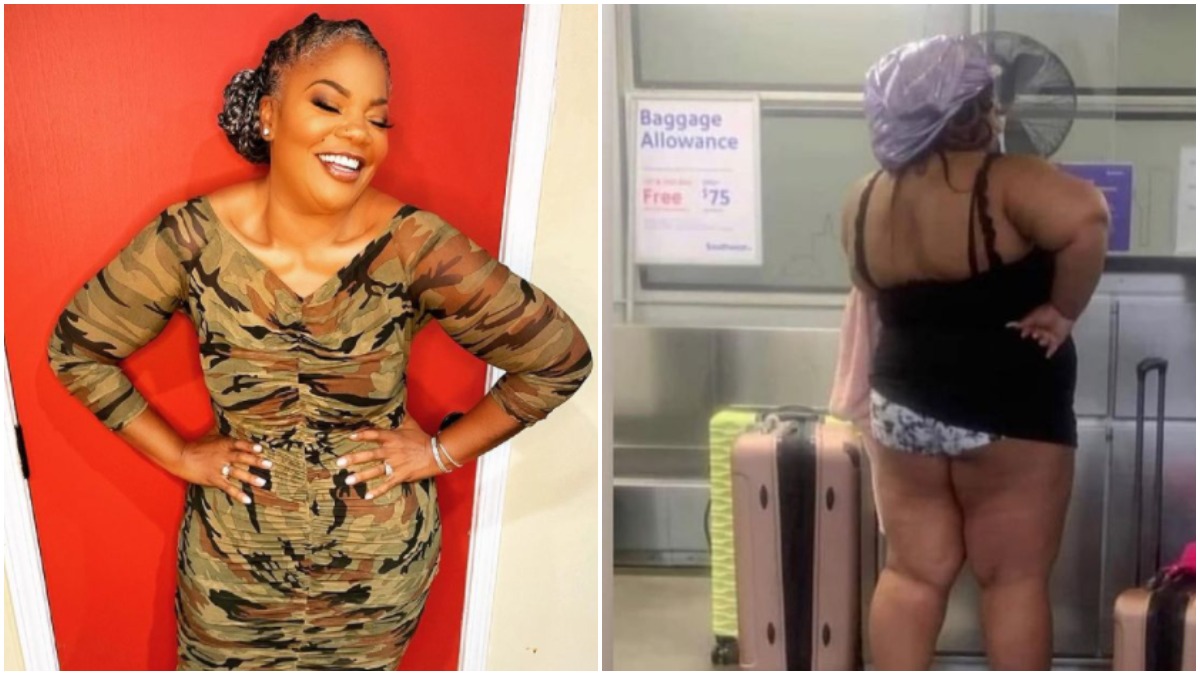
“This was sent to me as an example of what we’re talking about that goes on in our community. However if this is not your BEST, than do BETTER,” she wrote in her Instagram caption.
Fans of the actress took offense to Mo’Nique’s second attempt at shaming travelers, calling her Instagram post “harassment.”
“This is HARASSMENT, auntie. And whose standards of ‘Best’ are we trying to emulate? White supremacy is not my standard of what is ‘best’ or better for me. Unpack your respectability politics. If you ‘Love’ us forreal,” said one commenter.
Are There Benefits to Dressing Up While Traveling?
The topic of airport attire is a long-held discussion. Outside of mere presentability, there are many who believe dressing well on your travels comes with additional perks.
“Anyone travelling in economy or premium but hoping for a free upgrade will be dressed smartly, because you’re more likely to get upgraded to business if you look like you belong there,” a Quora user suggested.
George Hobica, founder of the travel website Airfare Watchdog, told The New York Times that “everyone believes no one gets upgraded anymore based on how they look, but It does happen,” before noting an instance where United Airlines upgraded him to first class despite not having status with the airline, simply because, he believes, he was the only person in the lounge with a suit while others wore gym clothes and sandals.
“Wearing a jacket and tie will get you a different result than flying in your pajamas,” states business etiquette expert Sharon-Frances Moore, who says she has witnessed better-dressed and polite passengers receive upgrades and freebies from airport workers and cabin crew.
However, despite the theories that your fashion choices come with additional benefits, there’s no definitive evidence that dressing up guarantees better service. In fact, you may have better chances of snagging an upgrade if the ticket counter agent notices it’s your birthday.
As more airlines extend their loyalty programs, they ensure upgrades go to their most frequent fliers.
“You know, people would have told you two decades ago that it was a good idea to dress nicely on a plane because you never know if the airline might take care of you, like maybe bump you up to business class or first class, because you look nice,” Skift reporter Brian Sumers tells The New York Times. “But that doesn’t really happen now. Airlines know who their best customers are, and they’re the ones they’ll bring up if there’s a seat available.”
Do Airports Have a Dress Code?
While there are no official guidelines on what can be worn on a plane, airline staff can deny passengers boarding if they feel outfits are inappropriate.
The Transportation Security Administration also has guidelines on “fashion dos and don’ts” when going through airport security. The list includes wearing slip-on shoes and socks and leaving accessories that resemble a weapon at home.
Not all hope is lost for people who like to dress well at the airport.
According to The Wall Street Journal, wearing nice clothes can boost your self-confidence, make you think more abstractly, and affect how people perceive you. Other studies show a direct link between dressing better and feeling better. Traveling through the airport can be a stressful experience, so if the studies are correct, dressing well could improve your mood and overall traveling experience. If this is the case, it could be worth dressing in your best.