Several maternity units are shutting their doors in Alabama, including one that serves a predominantly Black area, leaving many families concerned, according to reports.
Brookwood Baptist Health, a network of five hospitals in the state, decided to cease its obstetrician programs at two locations medical centers —Shelby Baptist in Alabaster and Princeton Baptist in Birmingham, WBRC-TV reported.
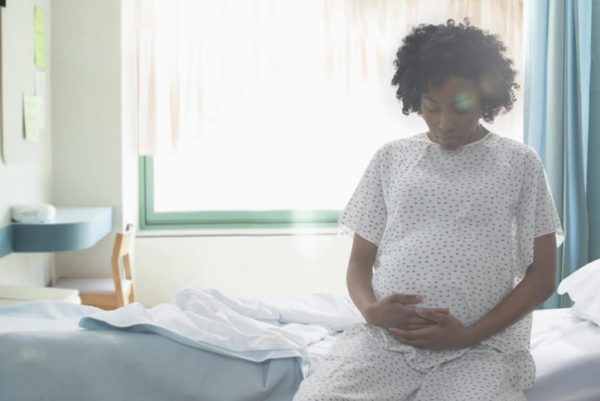
“As a result, Wednesday, Oct. 25, is the last day obstetrical care will be provided at those facilities. Maternity services will remain available at Brookwood Baptist Medical Center and Walker Baptist Medical Center,” the organization told the news station in a statement last month.
Trending Today:
- Houston Power Couple Sentenced to a Combined 35 Years In Federal Workman’s Comp Fraud Scheme
- Shocking Video Shows Police Officer Gripping 14-Year-Old Black Boy In Headlock, Shocking Him While He’s on the Ground with Taser Over ‘Civil Matter
- Man Walks Off Date After Woman Slurps Up 48 Oysters In One Sitting and Expects Him to Cover the Tab, Viral Video Shows
Monroe County Hospital is the latest facility to announce that the labor and delivery department is also closing. Pregnant women will have to travel several miles to get adequate treatment, and advocates say that can be a significant problem, especially for those with pre-existing health conditions.
“We’re just going to see a much higher burden on these families, and that can lead to worse health outcomes,” said Honour McDaniel of Alabama March of Dimes, per WVTM.
Alabama is one of the states with the highest maternal mortality rates in the U.S., and Black women specifically are disproportionately impacted compared to their counterparts. According to the Centers for Disease Control and Prevention, implicit bias, structural racism, and quality of care contribute to this outcome.
For many residents in Birmingham, a city with a majority-Black population, Princeton Baptist’s approach to obstetrics has encouraged people to travel far to be treated there. There are other options in the area, but as NBC News reported, what attracts patients to the hospital is that it offers water tubs, has a diverse staff, and embraces doulas.
One 43-year-old Black woman, JohnQueta Bailey, told the outlet she received care at Princeton while grappling with a high-risk pregnancy. However, according to the report, she felt she made the best decision for herself, saying that she felt “seen” and “heard” at the hospital.
“Princeton, particularly, has been just a backbone for improvement in maternal maternity care and just pushing for the quality of care that they give women, especially women of color,” McDaniel told local news.


