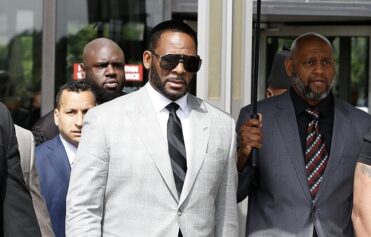
In an exclusive interview with Atlanta Black Star, the former TV host ran down a couple of his celebrity encounters, including mentioning a strange encounter he had with singers Aaliyah and R. Kelly in 1995.
Trending Today:
The “How to Be a Player” actor said he and the then-15-year-old singer were having a good interview, but a few questions in, “super jealous” R. Kelly, who was 28 at the time, canceled the talk.
Unlike his experience with Aaliyah and R. Kelly, Bellamy had a funny story to share about the time he found out Notorious B.I.G, also known by stage names Biggie Smalls and Biggie, was afraid of water.
“It’s ‘94. We are in Lake Havasu. We’re doing our like Spring Break thing, and we’re doing it on the lake,” Bellamy began.
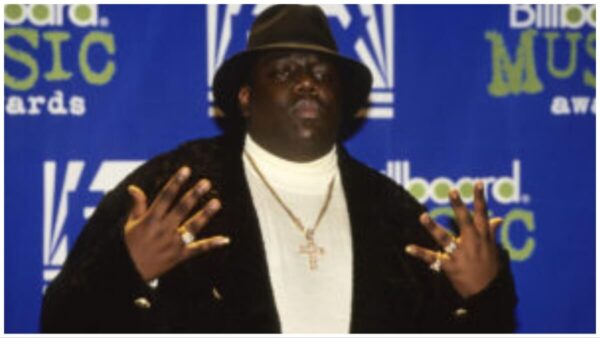
Setting the scene, Bellamy explained that the stages for MTV’s annual summer series were created on top of floating pods where artists could perform. The only way to get to the stages was by boat, and that is when Biggie, real name Christopher Wallace, voiced his concerns.
In his best Biggie impression, Bellamy said the “Juicy” artist told him, “ ‘Man, I don’t know if imma be able to do this, man. This is a lot of water. How deep is this s—t, man?’ ”
Initially, “The Brothers” actor shared that the former Bad Boy artist was joking, but it soon became clear Biggie was genuinely afraid.
According to Bellamy, Biggie continued to plead his case, saying, “ ‘Nah n––a, I can’t do this s—t, man. That s—t is moving, it’s moving.’ ”
Bellamy, who revealed that he felt he would die from laughter, said, “I don’t care how gangsta you are. I don’t care how much a thug you are. When you scared of something, whether it’s snakes, or rats, or water, your whole s—t change.”
He added, “I seen him turn into he was four years old. ‘What if I drown, man?’ ”
Bellamy said he was on the floor laughing, but in the end the “Ready to Die” artist overcame his fears. The Brooklyn native built up his courage and got on the crowded barge in his iconic sideways Kangol hat, sunglasses and brown Coogi sweater.
Remembering Christopher Wallace, better known professionally as the Notorious B.I.G., Biggie Smalls, or simply Biggie, who passed away 26 years ago today, March 9, 1997. He was 24.
— Boston Radio Watch®️ (@bostonradio) March 9, 2023
Performing “Juicy” at MTV’s annual Spring Break edition in March 1995 in Lake Havasu City, AZ. pic.twitter.com/FtOMH79i1S
The rapper and his entourage got the party going when he performed his classic song “Big Poppa.” He really must have overcome his fears as he rapped the song on top of a slightly raised platform closer to the edge of the water. However, Biggie did make sure not to get too close to the edge.
Biggie died just three years later in 1997, just two weeks after the release of his sophomore album, “Life After Death.” He was shot and killed during a drive-by shooting in Los Angeles.