A majority-Black community in a small town in South Carolina will soon be lost to a new highway project to connect drivers to a nearby beach.
The Sandridge community was established by Black sharecroppers in the 19th century. Many of its current residents are related to each other. It also boasts a trademark of having one of the first Black-owned grocery stores to be opened in South Carolina.
Now, the community’s mostly Black, elderly residents are bracing for the start of a new $18.4 million highway project. This new highway, to be known as Conway Perimeter Road, will connect two U.S. highways that would effectively reduce travel time for motorists traveling to the beach.
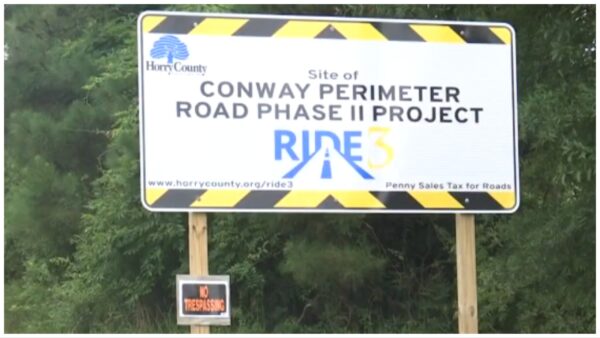
The highway has already warranted the removal of six homes in the community. It would also disturb historic buildings and cemeteries in the area and split the neighborhood into two. Its infrastructure would welcome increased air pollution, traffic, and noise, as well.
Resident Cedric Blain-Spain says the grave of his ancestor Hannah Hemingway would be affected. He says she was born in 1829 and was buried in one of the oldest graves in the Sandridge community.
“They are destroying everything that was given to us […] by our parents and foreparents, who just wanted to give us a community, to give us a place to call home,” the Rev. Cedric Blain-Spain told The Guardian. “Our legacy, it means nothing to them.”
Carmella Spain’s home is one of the homes that will be demolished. The 53-year-old grew up in that house her father built.
“This has been devastating to me and my siblings,” Spain remarked.
Blain-Spain has been fighting this project since 2019. The other chief development that precedes this project is Dominion Energy’s gas pipeline, built in 2017, that runs through several Sandridge properties. While Sandridge seems to be the go-to community for these new infrastructure developments, the whiter, more affluent communities in the surrounding area remain untouched.
The South Carolina branch of the NAACP submitted a Title VI complaint to the Federal Highway Administration last year that tackles this very issue. They requested an investigation into the disproportionate impact this highway project will have on the Black community. The chapter believes the highway violates the civil rights of the area’s Black residents.
NAACP Assistant General Counsel Joe Schottenfeld said projects like the pipeline and perimeter road “continuously lowers the value of those properties and makes it easier for the next road or the next infrastructure project to come.”
As for what’s being done on a federal level to prevent these kinds of infrastructure decisions that are the markers of historic, systemic racism, the Biden Administration has allocated funding to restore communities, including minority ones, that were displaced due to highways and other projects. Transportation Secretary Pete Buttigieg also announced a $185 million grant to reconnect communities that were burdened by past transportation infrastructure decisions.


