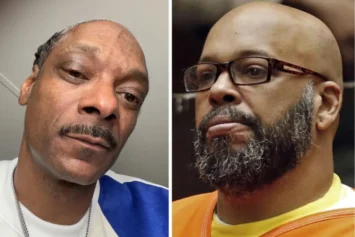
Authorities in Nevada will be conducting ballistics tests on 11 bullet cartridges uncovered in a July 17 search of the home of 58-year-old Paula Clemons, who is married to “Keefe D,” the uncle of the alleged triggerman in the slaying of rap icon Tupac Shakur.
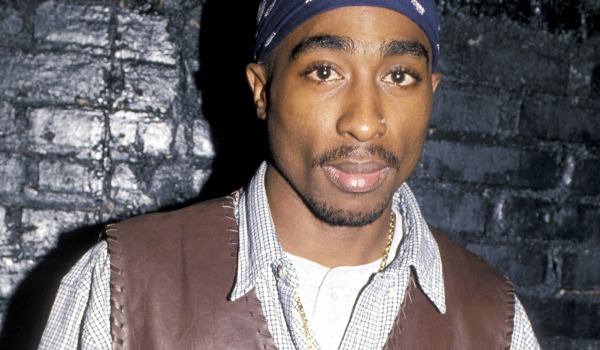
Keefe D, born Duane Keith Davis, is a former gang member believed to be connected to the still-unsolved 1996 Las Vegas slaying.
During serving a search warrant of the Henderson, Nevada, home near Interstate 11 and Wagon Wheel Drive, local authorities were hoping to find evidence connecting the 60-year-old to the decades-old cold case or that suggested his involvement with the South Side Compton Crips, according to The Las Vegas Review-Journal.
The Las Vegas Metro Police Department seized more than two dozen items in total including laptops, tablets, a copy of VIBE Magazine featuring coverage of Tupac, and copies of Keefe D’s memoir, “Compton Street Legend.” Nearly a dozen .40-caliber bullets were also seized from the residence.
While officials consider the search a success, detectives are doubtful their findings will directly link Keefe D to the crime and describe the ballistics testing as “routine.”
“The likelihood of the bullet cartridges being a direct match is not high,” one police official told Radar Online. “When evidence is recovered in a search under warrant — and it is the same make as the murder weapon, as these are — a ballistics test is an obvious investigative procedure.”
Tupac was struck by four .40-caliber bullets from a Glock handgun on Sept 7, 1996, and died from his injuries six days later. Despite a number of investigations and theories about who was behind the murder, there still has never been a single arrest made.
While public interest in the case has remained high throughout the years, the official investigation into the murder had seemingly gone ice cold until the search of Keefe D’s home.
Prior to the search, it was reported that authorities started looking into the case again as far back as 2018 after Netflix released a docuseries titled “Unsolved: The Tupac and Biggie Murders.” The series features Keefe D confessing to being present when Tupac was killed.
In his 2019 book “Compton Street Legend,” Keefe D went even more in-depth about the crime and wrote an entire chapter alleging detailing the exact events of that night, which implicated himself as the one who both acquired the murder weapon and gave it to the alleged shooter – although he never specifies who the shooter was.
The foremost theory about Tupac’s murder is that it was retaliation for an altercation in the lobby of the MGM Grand Garden earlier that evening between Tupac’s entourage and a man named Orlando “Baby Lane” Anderson stemming from a previous encounter at a local mall.
Anderson is Keefe D’s nephew, and Keefe D claims in his book that the assault from Tupac’s entourage gave Keefe D and his crew “the ultimate green light” to respond forcefully.
While neither the docuseries nor the book explicitly identifies the shooter, a taped interview with now-retired LAPD detective Greg Kading from the early 2000s was recently uncovered. It features Keefe D seemingly confirming what many already believed: that Anderson, his nephew, was the triggerman. Anderson was killed two years later in a separate incident unrelated to the case.
Keefe D has spoken on the Tupac killing several times in documentaries and interviews over the years, consistently putting himself in the passenger seat of the rented Cadillac from which the fatal shots rang, with his nephew seated behind him.
Two other men, Terrence “Bubble Up” Brown and DeAndre “Freaky” Smith, the driver and another backseat passenger, respectively, are the only other living witnesses, but there have been no reports that either man has ever confessed or been investigated.
Keefe D has claimed that he confessed because he’d been granted immunity due to a colon cancer diagnosis, adding that he had “nothing else to lose.”
In an interview with KTNV, Kading recalls striking a proffer agreement with Keefe D in order to get more information from him at the time. He suggested that the numerous statements the former gang member has made in the years since are not protected by that agreement between the prosecutors and the defendant and could likely be the reason the Tupac case has been reinvigorated.
“He’s out there boasting about it, and none of these confessions he’s making are protected under his previous agreement,” Kading told KTNV. “So it opened up the door for [police] now to pursue him, to prosecute him.”
Keefe D claims to have beaten his cancer, but the renewed investigation into Tupac’s murder continues to escalate. While charges have still not been filed, a secret grand jury in Nevada has also begun hearing witness testimony, according to reports.