Tamera Mowry appeared on an episode of “Finding Your Roots” on April 4, and the “Sister, Sister” actress was brought to tears after learning that her third great-grandmother was enslaved before finding her freedom.
Mowry — who is of mixed race — was also told during the PBS program that she has ties to a 19th century slave rebellion. Mowry’s mother, Darlene Mowry, is from the Bahamas and her father, Timothy Mowry, is English and Irish.
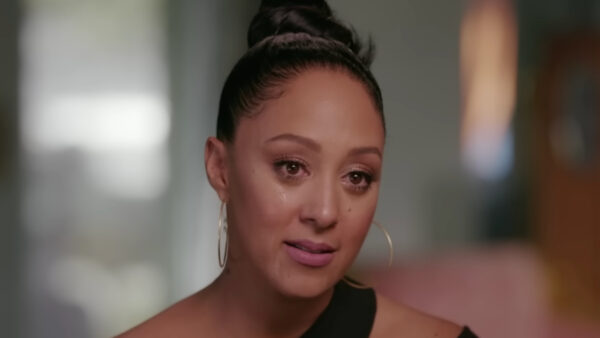
The “Girlfriendship” star was told her third great-grandmother, Margaret Rolle, was born in 1825 in the Bahamas and listed as a nine-year-old slave on official documents.
“This is what’s crazy about being biracial. I have blood that started it and then I have blood that was enslaved by it,” said Mowry.
Slavery was abolished in the U.K. when Margaret was nine. However, there was a four-year period when enslaved people still had to work for free in the British colonies.
The mother of two was asked what it was like to hear a relative and child listed as a 9-year-old field laborer on the document.
“When you’re that young, I know my kids, you want to protect them, you want them to keep that innocence,” she said. “But for Margaret, that did not exist.”
The 44-year-old got teary-eyed after the show’s host, Henry Louis Gates Jr., asked her what she thought her third great-grandmother would think of Mowry.
“She’d be proud,” said Mowry. “But you just feel, you know, sad that she had to go through that, as a child. I wonder what she did to escape her current situation. What were her thoughts and hopes… And then to, you know, finally be free, and what that felt like. That first breath.”
Mowry’s ancestors were likely owned by John Rolle in 1830 when a rebellion called Pompey’s Revolt occurred. Forty-three enslaved people led by a man named Pompey rebelled against Rolle on his estate and prevented an order of around 77 men, women, and children from being sold off and separated from their families.
Mowry’s third great-grandmother was living during the slave rebellion on the Rolle plantation, and after Gates asked her what she thought about the possibility that her ancestors may have fought in the slave rebellion and prevented the separation of families, she replied, “Beautiful. That’s beautiful.”