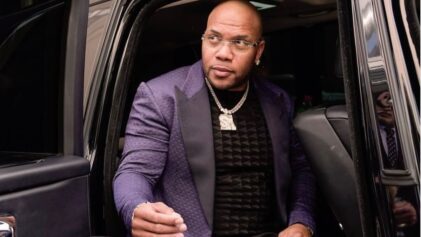
Rapper Flo Rida won his lawsuit against the energy drink company Celsius. The jury awarded the Florida rapper $82.6 million on Jan. 18.
The recording artist filed a lawsuit against the energy drink company in 2021, claiming they violated the terms of his endorsement deal. A Florida jury found that the company did breach the terms of the contract and tried to hide assets from the rapper.
Russell Simmons, his ex-wife Kimora Lee Simmons and her estranged husband, former Goldman Sachs investment banker Tim Leissner, are all major stakeholders in Celsius. Russell Simmons sued his ex-wife after he claimed she and Leissner used Simmons’ shares as collateral for bond in connection with Leissner’s criminal case in the 1MDB international embezzlement scandal.
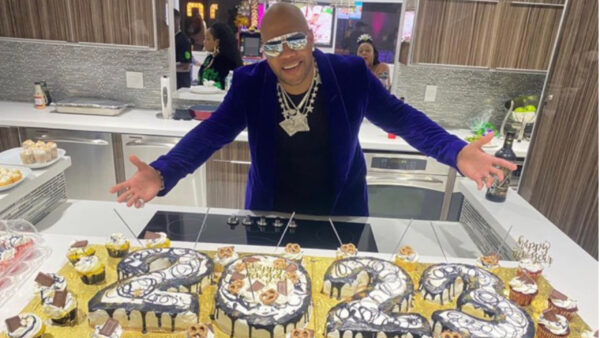
Flo Rida — whose legal name is Tramar Dillard — was a brand ambassador for Celsius from 2014 to 2018. He testified that the company originally owed him $30K for breaching their contract, but as the years passed, the company’s name and profit grew, which Dillard argued was partly due to his song “My House.”
“Basically, I helped birth this company,” he told The Associated Press. “And all we were looking for was some trustworthy people who acted as if they were family. And then when it comes down to the success of today, they just forgot about me.”
His attorney John Uustal said that the rapper wanted the 1 percent ownership he was promised with the deal. Uustal also said that Dillard would trade the money for the promised stock, which they estimated to be worth at least $75 million currently.
“He loved the product,” said Uustal of Dillard. “And it’s been a very successful four-year relationship. There were some benchmarks. He was supposed to get stock when certain things happened. And there became a dispute about whether those benchmarks had been reached. So that’s what this was about.”
“It was a matter of respect,” he added. “He was due these shares, he worked for them, and he wasn’t going to just let it go.”
Uustal also said that the company’s lawyers calling Dillard “greedy” backfired.
“They understood all these complicated legal issues and, in our view, came to the right conclusion,” he said. “After our client finished testifying, there was no doubt that this was not a greedy individual.”
The jury only took one day to deliberate after a five-day trial. Law&Crime Network shared a clip on Jan. 11 of the rapper testifying in court.
“‘Oh yeah. ‘My House’ was a record, um, that I recorded, and, that record right there was a global phenomenon. It was used in a Super Bowl, uh, commercial as well as, that’s one of the, um, songs that I actually promoted the product that I loved, which is Celcius and the product helped me in the video. That record right there made history as well.”
After the song played in open court and he was asked if the song was “My House,” Dillard joked about his nerves and said “Yeah. I’m comfortable. Obviously, I can perform better than I can talk,” he joked.
The jury agreed with the rapper and awarded him damages to the tune of $82.6 million, but the company will be able to appeal should they decide to do so.
Dillard said he still drinks Celsius energy drinks, and the rapper also owns stock in the company. The “Whistle” rapper said he’d be open to working with the company in the future and wants to move on from the lawsuit.
“I’m still an owner in the company,” he said. “And when you basically planted the seed for something that is successful, you can’t help but have unconditional love.”