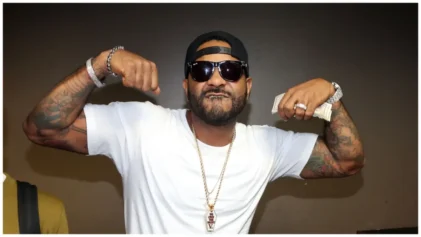
Rappers Jim Jones and Maino, two artists with reputable roots in the street, have added their voices to the growing controversy around law enforcement using rap lyrics to build cases against suspects.
The Lobby Boyz, a supergroup formed by the two veteran emcees, visited Power 105.1 FM’s “The Breakfast Club” with DJ Envy and Angela Yee. The two were asked specifically about Atlanta rappers Young Thug and Gunna being indicted on RICO charges and the prosecution using their lyrics as evidence against them.
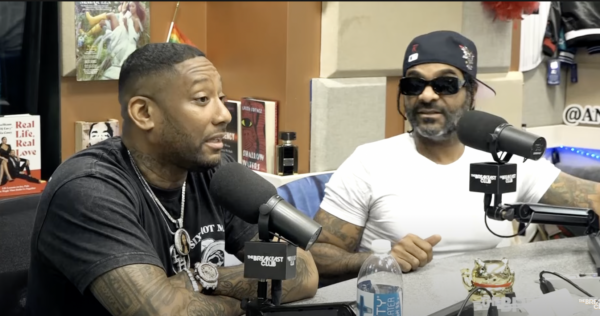
Maino, the Brooklyn rapper who burst on the scene with the song “Hi Hater” and was sentenced to five to 15 years in prison for a drug-related kidnapping, believes it’s wrong to take lyrics at face value because rappers are often just creating fictional narratives to make a song good.
He explained, “When you rapping, you rapping from a perspective… I say all kinds of crazy s**t sometimes when I rap… I say yo, ‘woke up in the shade room, shorty took me home, I licked her p**y in her kids’ room.’ I never did it … It’s just a bar. It shouldn’t be literal.”
“It shouldn’t be taken out of context as it being so literal. Some of these [lyrics] are just bars,” he continued. “We saying things that come from things we might have seen or just some ill s**t to say.”
For the Diplomat, he suggested the same consideration given to Hollywood actors and directors, should be extended to artists, who are painting a picture of realities they are familiar with.
The Vamp Life rapper said, “Quentin Tarantino hasn’t been locked up or put on trial for any of the movies he’s made yet. ‘Goodfellas’–none of them. Robert De Niro hasn’t been up on the stand for none of the killings he’s done in movies.”
While the Breakfast Club conversation regarding “lyrics being used as evidence” was focused on the two YSL artists, Young Thug and Gunna, this phenomenon is a tool being used by prosecutions in multiple cities against multiple artists.
In the Bronx, the District Attorney Darcel Clark is poised to use songs and music videos as part of the evidence against D Thang GZ, one of the founding fathers of New York Drill music and an alleged member of the River Park Towers (RPT) gang in her borough.
According to AllHipHop.com, when talking about the case, Clark mentions their violent history with their music, “These defendants allegedly engaged in gun violence, committing six shootings, one of which injured a rival gang member. They allegedly fired wildly on the streets without regard for the lives of anyone else. They allegedly possessed a gun used in shootings that they posed with on social media and rapped about the violence.”
The prosecution in the Florida bond hearing for rapper Ksoo used the rapper’s 2021 song and video “Been Dead,” where he brags about killing people to further justify the high bond.
The YSL case features the biggest chart-topping stars and has captured the most headlines. Prompted from their arrest, where almost 30 people were indicted on the RICO charge, is a petition called Rap Music on Trial: Protect Black Art petition.
The petition, started by music executives Julie Greenwald and Kevin Liles, asks for politicians to legislate against using creative content like music and videos as legal evidence against suspects. Started less than a month ago with a goal of 50,000 names, as of publishing the number of supporters has reached 49,564.