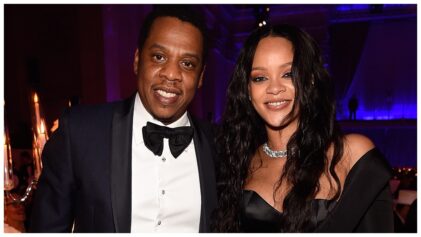
Jay-Z, Meek Mill and more want prosecutors to stop using rappers’ art — more specifically, their ofttimes violently charged lyrics — against them to prove guilt in court cases.
The two emcees, who have been very vocal about police reform, along with several of their industry peers, including Fat Joe, Big Sean, Kelly Rowland, Killer Mike and more, are just some of the many musicians who have signed the proposed New York bill called Rap Music on Trial (S.7527/A.8681), People reported.
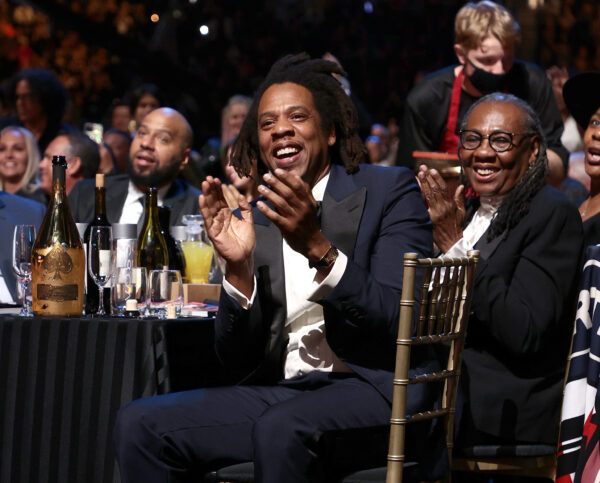
A letter co-written by Hov’s lawyer Alex Spiro and University of Richmond professor Erik Nielson to state lawmakers, including New York Gov. Kathy Hochul, states:
“Rather than acknowledge rap music as a form of artistic expression, police and prosecutors argue that the lyrics should be interpreted literally — in the words of one prosecutor, as ‘autobiographical journals’ — even though the genre is rooted in a long tradition of storytelling that privileges figurative language, is steeped in hyperbole, and employs all of the same poetic devices we find in more traditional works of poetry.”
“This tactic effectively denies rap music the status of art and, in the process, gives prosecutors a dangerous advantage in the courtroom,” the letter continued. “By presenting rap lyrics as rhymed confessions of illegal behavior, they are often able to obtain convictions even when other evidence is lacking.”
The new bill would require prosecutors to prove “clear and convincing” evidence that a defendant’s creative work is “literal, rather than figurative or fictional.” Several individuals have fallen victim to their lyrics being used against them, including former rapper Ra Diggs. The Brooklyn native, whose real name is Ronald Herron, was sentenced to 12 life terms plus 105 years in prison after being convicted on 21 federal charges in 2014, including three murders, racketeering, and drug dealing.
During his trial, several of Diggs’ songs and music videos were used as evidence because they were “literal recountings of his crimes,” according to prosecutors. Despite an appeal by him, citing that the decision violates his First Amendment rights, his conviction has been upheld. He is being held at the United States Penitentiary, Administrative Maximum Facility near Florence, Colorado.
In a statement to Rolling Stone, Spiro said that this issue was essential to the Grammy-Award-winning artist. “This is a long time coming. Mr. Carter is from New York, and if he can lend his name and his weight, that’s what he wants to do,” he added.
“Our lyrics are a creative form of self-expression and entertainment – just like any other genre,” Bronx native Fat Joe added. “We want our words to be recognized as art rather than being weaponized to get convictions in court. I hope the governor and all the lawmakers in New York take our letter into consideration, protect our artistic rights and make the right decision to pass this bill.”
More Stories from Our Partners:
Homes Above $800,000 Drive Bidding Wars in the U.S. Housing Market