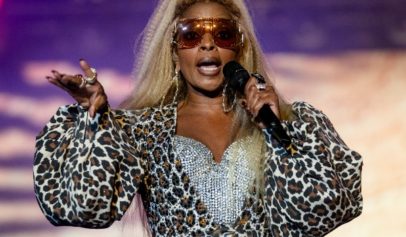
Mary J. Blige’s latest honor will permanently cement her influence in the music industry. During the 2022 Billboard Awards Show, Blige received the Icon Award for her decades-long contributions to music and chart-topping records.
Following a video montage of celebrity praise, Blige was ushered on stage by her friend and former collaborator Sean “Diddy” Combs — who also doubled as show’s host — and was presented the award by Janet Jackson. In her speech, the Queen of Hip Hop Soul acknowledged that her journey to icon status had been riddled with “heartache and pain,” but that through it all she remained true to herself and her music.
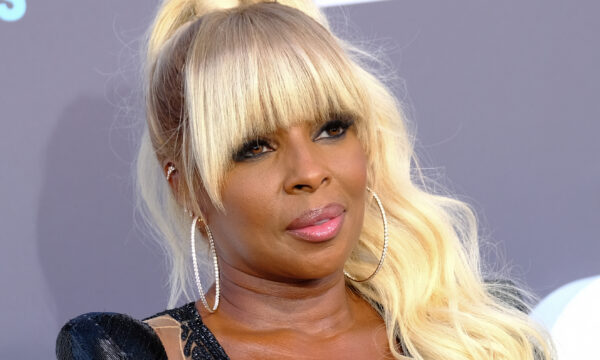
“I was ghetto fabulous and I still am,” said Blige. “So ghetto. So fabulous. And people were threatened by that. And now everybody wanna be ghetto fabulous.” From the blonder hair, gold hoop earrings and rings, thigh-high boots, furs and edgier demeanor, Blige has long been adored for her round-the-way style.
The “Real Love” songstress has previously shared that her fashion sense was inspired by the women she saw growing up. Her songs and their raw emotion has made her that much more relatable and celebrated by fans.
“She been thru so much can’t do nun but respect her. Love this lady,” wrote a fan beneath a clip of Blige’s acceptance speech.
“The best to EVER do it consecutively and consistently! Well deserved I love me some Mary, she is timeless.”
“Mary really had the best year of her life in her 50s and that’s so inspiring.”
“I know her ex sick every time he gotta see her oozing that good and given her flowers everywhere she go,” wrote another. In 2018, Blige and her husband of over a decade, Kendu Isaacs, finalized their divorce — three long years after the singer filed paperwork.
Blige previously revealed that her non-glamorous look was off-putting in how she outwardly compared to her peers, so she was sent to etiquette school. “They tried to change me earlier in my career,” she told Page Six. While some of the lessons paid off, Blige never allowed them or anyone’s opinion to challenge her authenticity. “I just did it because that is just who I was — and I wasn’t standing upright. I had to grow into these gowns and grow into walking with my back up straight.”
Blige, 51, continued her speech with an uplifting note on the joy she has found in loving herself. “The message in my music has always been that we are not alone in our struggles. And I’m not alone now. For so long i was searching for a real love, but I finally found my real love, and that real love is me.”
Last year the “My Life” vocalist shared the inspiration behind some of her biggest hits in her Prime Video documentary, “Mary J. Blige’s My Life.” “I had to show people where all this pain came from that was in the ‘My Life’ album in the first place,” she says. “That’s really it, it’s what it was, it’s what I was living, it’s what I was going through, it’s what I’ve been through since I was a 5-year-old little girl, 16, 9, of just so much hell.”