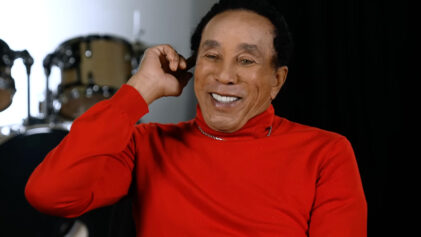
Smokey Robinson’s poem “A Black American” sparked a widespread discussion about racial identity following its original performance nearly 18 years ago during the season finale of “Russell Simmons Presents Def Poetry.” While the scripture aimed to educate its readers about the Black experience and what Black people have been called or regarded as over the years, it also sought to explain what being Black meant to the now 82-year-old.
During a virtual appearance on “The View” last month, the legendary soul singer-songwriter opened up about the poem after it was turned into an animation by a teacher trying to educate his students about the Black experience during Black History Month. When asked what being Black American means to you, the singer stunned viewers after admitting that he resented being labeled “African American.”
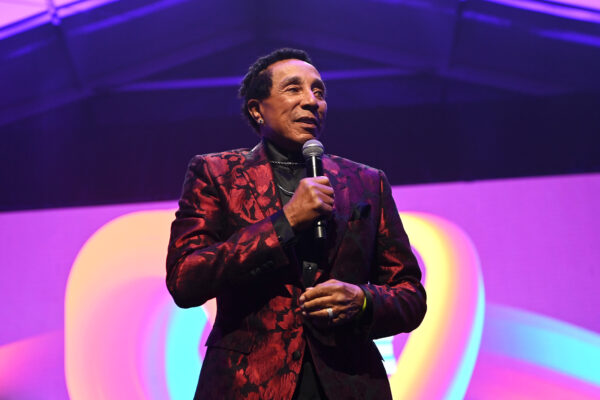
It’s a comment, along with others in that same vein, that now has arrested the attention of social media users, who are posting about it online weeks after Robinson’s interview.
“I resent being called African American because Black people have contributed so much to the development of the United States of America,” the Motown icon said. “I think that when you do that, you’re disclaiming all the things, the contributions that Black people have made to America,” he added.
“You see, I consider myself to be a Black American, and I enjoy being called Black, and Black has been so negativized as a color down throughout history by those who wanted to negativize it. And so, it spilled over into the Black community and to the Black people. And even Black people back in the day calling each other Black was a sign for a fight,” the iconic entertainer continued.
“I resent being called African American because Black people have contributed so much to the development of the United States of America,” he added while describing what he calls the greatest gift Blacks gave to America: their lives.
“The wonderful Black American who served in the armed forces and gave their lives in all the wars. They did not do that for Timbuktu or Capetown, or Kenya. They did that for Louisiana and Mississippi and Texas and Virginia. Okay? So that’s how I feel about it.” Robinson noted that their contributions should be recognized similarly to their white peers.
Robinson’s philosophy is drawing mixed reactions online, including one Twitter user who wrote, “Smokey Robinson… a man born in the 1940’s is on the internet tellin people to drop the African and just call him Black American. Cause he never been to Africa. What’s the stages of Dementia?”
“I knew Smokey Robinson was an idiot after he threw us under the bus for Jennifer Lopez but this latest stunt takes the cake. As I said mere days ago, the facts that ‘Black is a race’ and ‘African American is an ethnicity’ really whoops y’all’s asses,” another person remarked.
Still, some agreed, including a third person who wrote, “I don’t see a problem with what he said. Actually, I only see one issue: all his years of traveling, he’s never been to Africa?”
More Stories from Our Partners:
‘We Got to Know When to Say No:’ Critics Won’t Let Up as Jennifer Lopez Defends Motown Tribute
Black-Owned Brands Get Lift as Big Retail Invests to Help Them Scale