The NFL reckoning has taken on the form of email scandals, racist team name changes, and now, race-based cognitive dysfunction diagnoses.
Thousands of retired NFL players have agreed with the league to end race-based adjustments in dementia testing. Notice of the settlement of past concussion claims was posted Wednesday — apparently by mistake — to the online docket of a Pennsylvania federal court. The notice was taken down hours after it went up.
The Settlement
According to the proposed settlement — which still has to pass review by a judge — Black retired NFL players can now have their tests rescored or seek a new round of cognitive testing.
However, the NFL had to address their use of “race-norming.”
The practice assumes that Black players have lower cognitive functioning than whites, making it harder to show they suffer a mental deficit linked to their playing days.
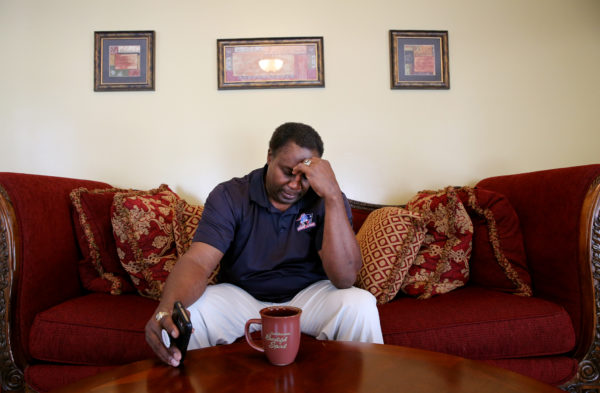
Black players who applied for benefits from the $1 billion concussion settlement in many cases saw their medical diagnoses of football-caused cognitive deficiency challenged by the NFL or the law firm that oversees the claim evaluations.
Doctors have reported that they have been coerced into race-norming such players’ cognitive evaluation scores.
The NFL has not admitted any wrongdoing under the terms of the agreement. A new testing formula will be developed with input from a panel of experts hired by both the players counsel and the NFL.
Righting Wrongs
Two former NFL players filed a civil rights lawsuit shedding light on the practice in 2019. Hundreds of Black players that have dementia could have won awards that average $500,000 or more.
The proposal, which was intended to be filed under seal in the U.S. District Court for the Eastern District of Philadelphia until its review by Judge Anita Brody, follows months of closed-door negotiations. The parties involved are the NFL, class counsel for the retired players, and lawyers for two Black players.
Former Steelers Najeh Davenport and Kevin Henry are the former players who filed suit Their claim was dismissed in March, but as part of the settlement revealed this week Davenport and Henry have agreed to drop their appeals of that dismissal.
Race Always An Issue
The vast majority of the league’s players are Black. Some 70 percent of the active players and more than 60 percent of the living retirees are African-American; adjusting to the race-based concussion assessments is estimated to be costly for the NFL.
To find out more about how the NFL uses systemic racism and race norming to avoid paying settlements to former Black NFL players click here.