Naomi Osaka‘s personal growth journey has been reflected in the way she handles herself professionally, specifically in her commitment to maintaining her own mental and emotional health.
The No. 3-ranked tennis player in the world is almost as well known for her positive and adamant stance on mental health protection as she is for her talent on the courts. Osaka has proved she will walk away from press obligations, regardless of the cost, to maintain the peace of mind that allows her to play a fierce game, but admits that it took her a long time to accept her quiet personality.
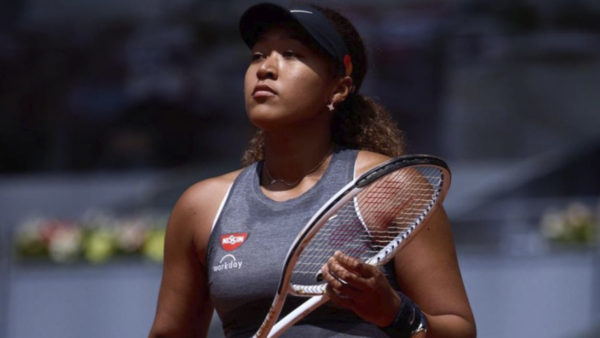
“Growing up being [labeled] ‘the quiet one’ puts you in a box and, even worse, makes you stand out when all you want is to blend in,” she told Women’s Health recently. “But now I try to embrace and own it.”
She’s embraced it so much that the 23-year-old four-time Grand Slam champion has made the conscious choice to reject media training throughout her career because she wants to remain as authentic as possible, as opposed to offering “a canned response” that wouldn’t properly encompass her true thoughts or feelings.
“I never wanted media training,” Naomi said. “Because I didn’t want to change my personality to offer a canned response that didn’t feel like me. Yes, some people may find my personality different, just as they do my mixed-race background, but I find it to be the thing that makes me uniquely myself.”
When it comes to managing her anxiety ahead of matches, Osaka has figured out which rituals are most effective for getting her head in the game, one of which entails listening to “inspiring and uplifting” music from empowering female artists including Beyoncé, Rihanna, and Saweetie.
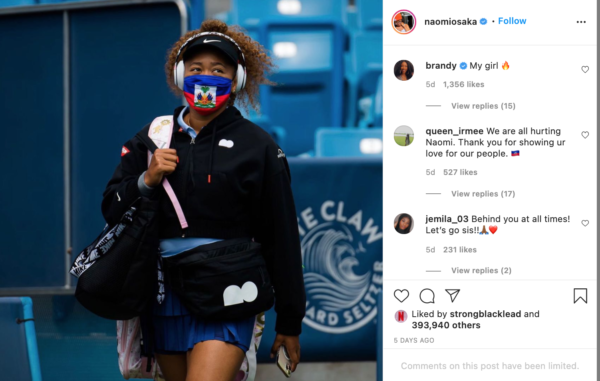
“Music calms me, it silences the noise that won’t help my game,” she stated. “For me, music is inspiring and uplifting.”
Oska hopes that remaining transparent about her personal struggles reminds people that even their most beloved athletes “are still humans like the rest of us.”