Black landmarks will now have a chance at preserving their legacies with the help of a generous contribution from the African American Cultural Heritage Action Fund, an initiative of the National Trust for Historic Preservation launched in November 2017.
According to a recent press release, the Action Fund revealed it would support preservation projects totaling $3 million, noting this as the largest single disbursement in the Action Fund’s four-year history.
CNN reported that the grant would be divided among 40 projects across 17 states, including Puerto Rico and Washington, D.C. One of the landmarks includes the site of Emmett Till’s funeral, the Roberts Temple Church of God in Christ, located in Chicago, IL, founded in the early 1900s. On August 28, 1955, 14-year-old Till, while visiting family in Money, Mississippi, was brutally beaten beyond recognition and murdered by two white men for allegedly flirting with a white woman four days before.
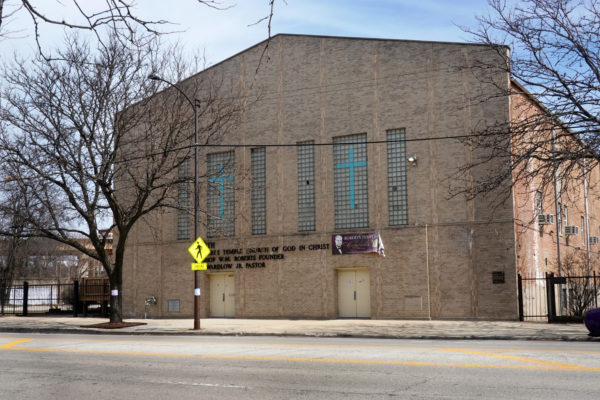
Although Mississippi authorities wanted to bury the body immediately, Till’s mother, who was then known as Mamie Till Bradley, demanded her son be sent back to Chicago. She held an open casket funeral for her son. “Let the people see what they did to my boy,” she was quoted saying. The ceremony drew mass attention and remained a significant moment in Black history.
The Action Fund’s executive director Brent Leggs released a statement regarding the announcement, stating, “The recipients of this funding exemplify centuries of African American resilience, activism, and achievement. Some of their stories are known, and some are yet untold. Together they help document the true, complex history of our nation.” He added, “By preserving these places and telling their stories, preservationists can help craft a more accurate American identity and inspire a commitment to justice.”
Lonnie Bunch, the first African-American and first historian to serve as secretary of the Smithsonian Institution, spoke highly of the initiative calling it the “largest resource in American history dedicated to the preservation of African American architectural landmarks.” She added, “These grants will positively impact 40 communities nationwide and result in the creation of a visible, preserved legacy of African American contributions. Through the leadership of Brent Leggs, the Fund is creating a lasting historical record, which demonstrates that African American narratives are integral to our nation and our shared future.”
Other Action Fund grantees include Walnut Cove Colored School, National Marian Anderson Historical Society and Museum, and the Asbury United Methodist Church, most notable for its association with the 1848 Pearl Incident, the largest nonviolent mass escape of enslaved persons in U.S. history.
As posted on the site, this year’s grants were given across four categories: capacity building, project planning, capital, and programming and interpretation. To learn more about the Action Fund and the 2021 grantees, go to www.savingplaces.org/actionfund.


